
Portable container gardens and vertical farms
As cities around the world become increasingly congested and natural resources depleted, innovative solutions for urban agriculture are essential. In response to this challenge, portable gardens and vertical farms in containers are becoming a revolutionary concept, gradually gaining traction in both large and small metropolises. They are not only a way to create "green lungs" for cities but also to produce food in areas traditionally unsuited for this purpose, and to intelligently and sustainably utilize urban spaces.
Advantages of vertical farms and portable gardens
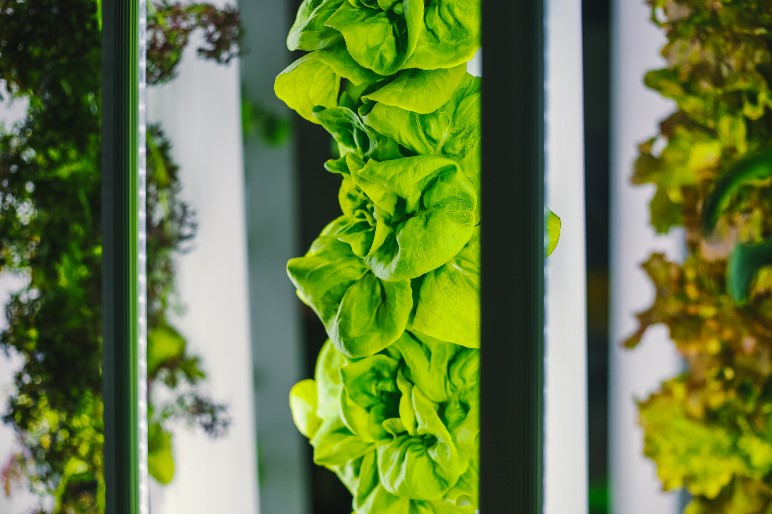
Vertical farms are a type of agriculture used in urban areas where crops are grown vertically instead of at ground level. Crops are grown in special columns placed on specially designed structures that allow the plants to grow upwards. This allows for the production of a relatively large amount of food in a small area, which is particularly beneficial in cities where space is limited. Portable gardens, on the other hand, are mobile facilities that can be easily moved from one location to another. In this case, plants are grown in special containers of various sizes, which are easy to transport. In short, portable gardens and vertical farms are technologically advanced systems that enable the cultivation of plants in urban environments in an efficient, scalable, and ecological manner.
mobility
One of the key advantages of both solutions is mobility. Both the structures of farms and portable gardens allow for easy change of location, transporting them to different places depending on the needs and weather conditions. This means that they can be placed on the roofs of buildings, in unused urban spaces or even on balconies. This flexibility and ease of adaptation make them an ideal solution for crowded cities, where every centimeter of space is valuable.
Resource efficiency
These high-tech farming systems allow the efficient use of natural resources, particularly water, leading to sustainable urban agriculture. Automatic watering and climatic control systems allow for minimizing water consumption, and at the same time provide optimal growth conditions for plants.
CO reduction2
It's common knowledge that green spaces positively impact air quality by absorbing carbon dioxide and purifying the atmosphere. Portable gardens are a prime example of this, especially when composed of plants with specific properties. Vertical farms, in turn, enable the production of fresh food directly in the city, reducing the need for lengthy transport and storage. As a result, CO2 emissions and the negative impact on the natural environment are reduced.
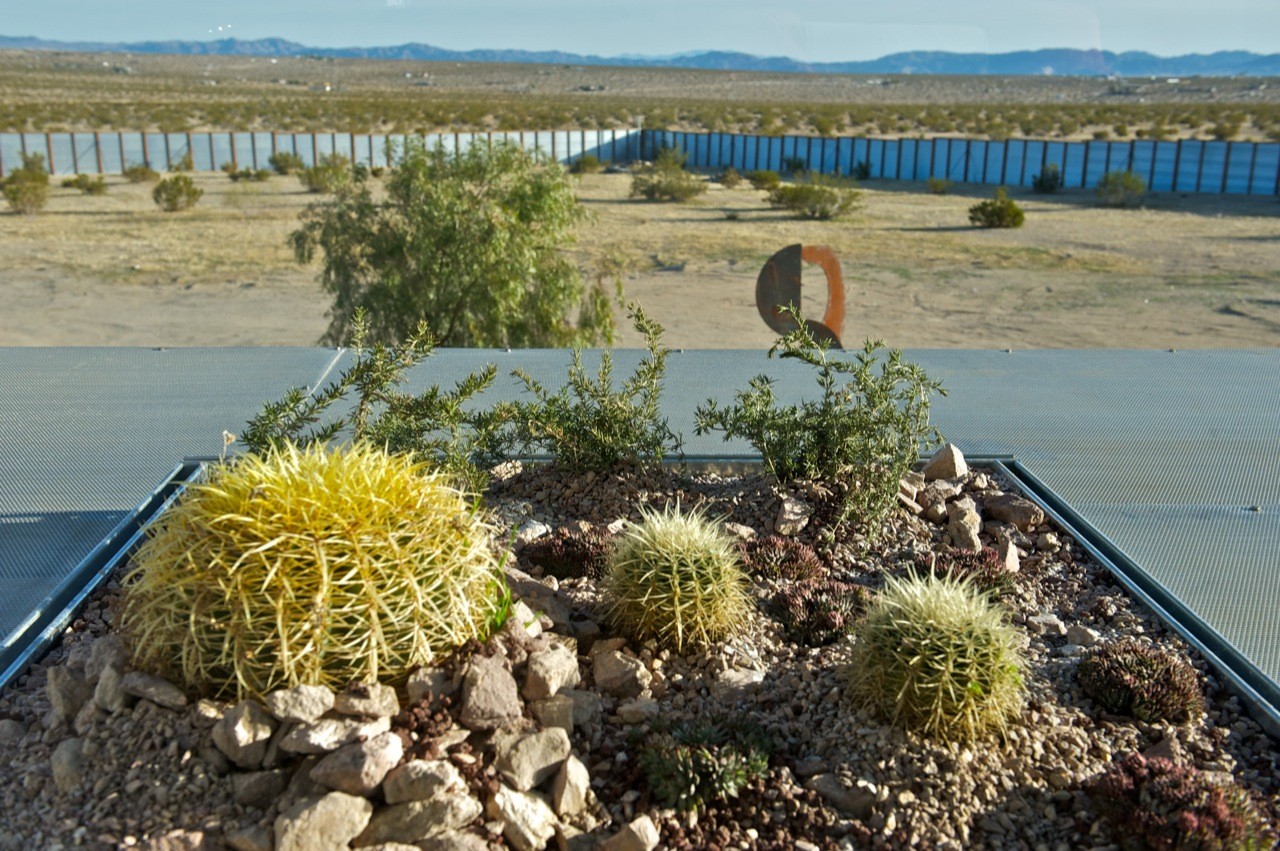
Does the construction of containers allow you to set up farms and gardens in them?
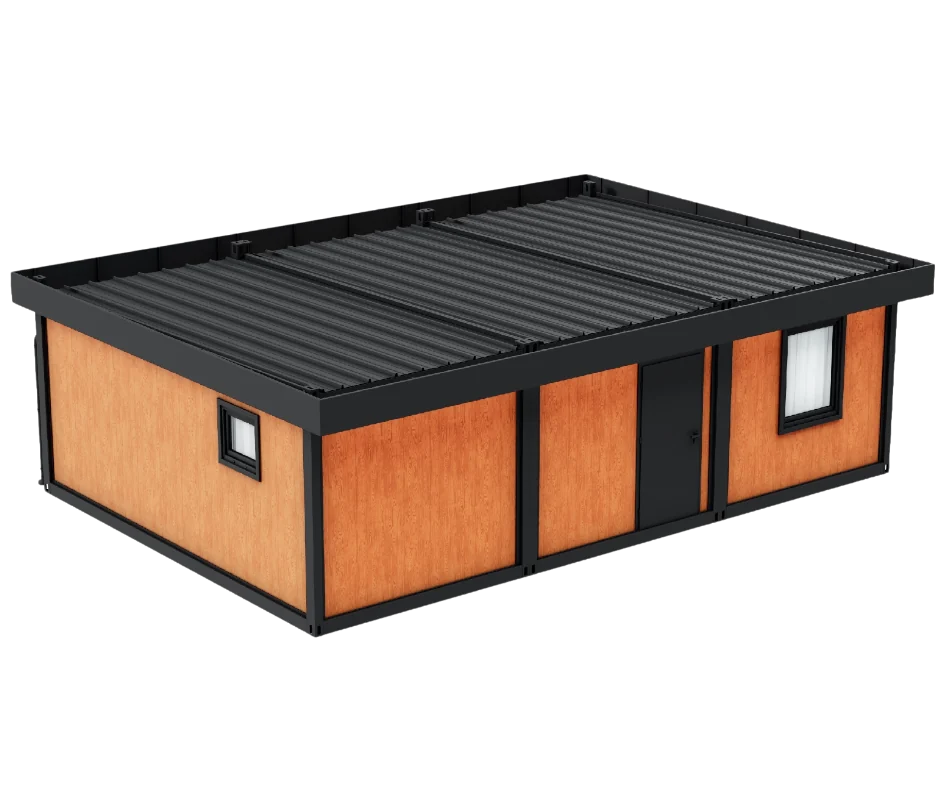
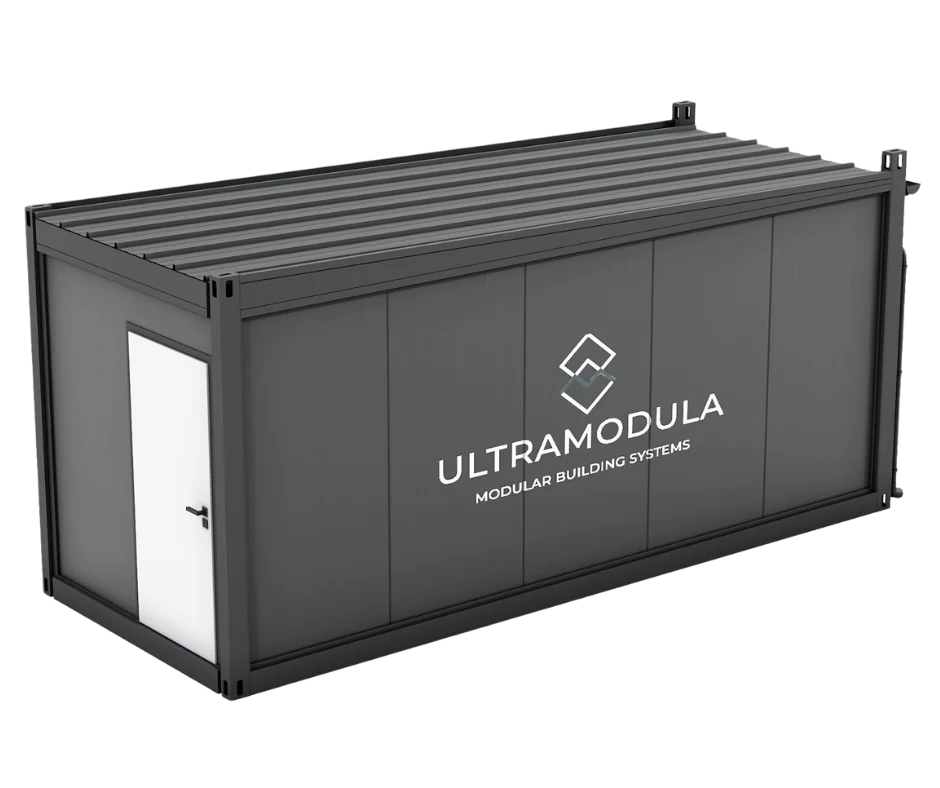
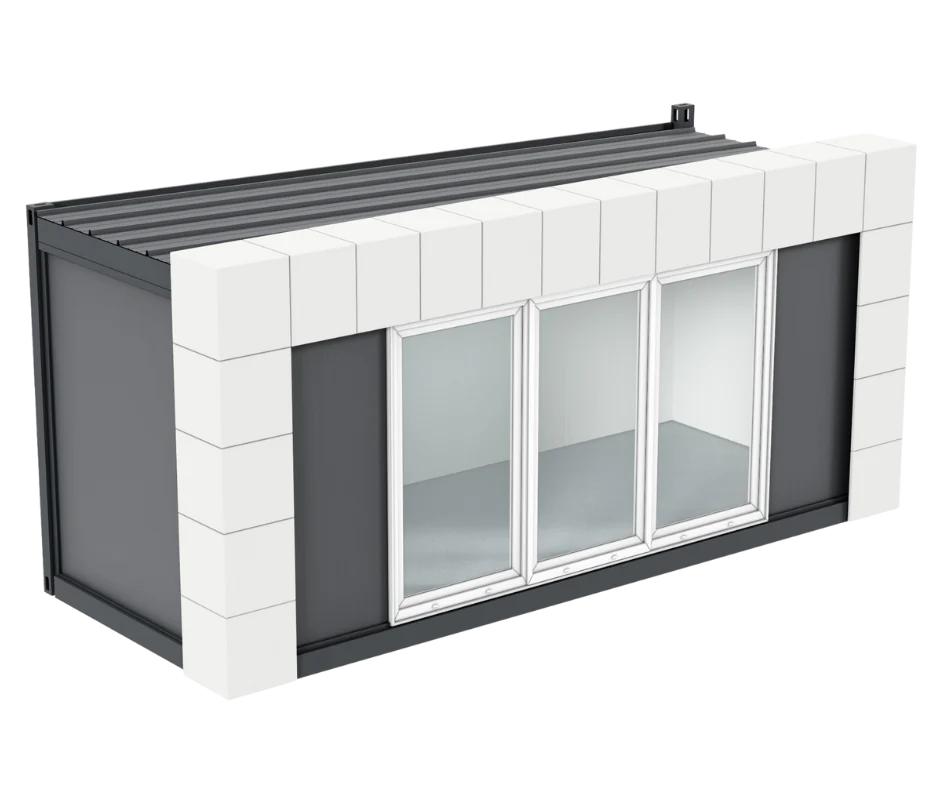
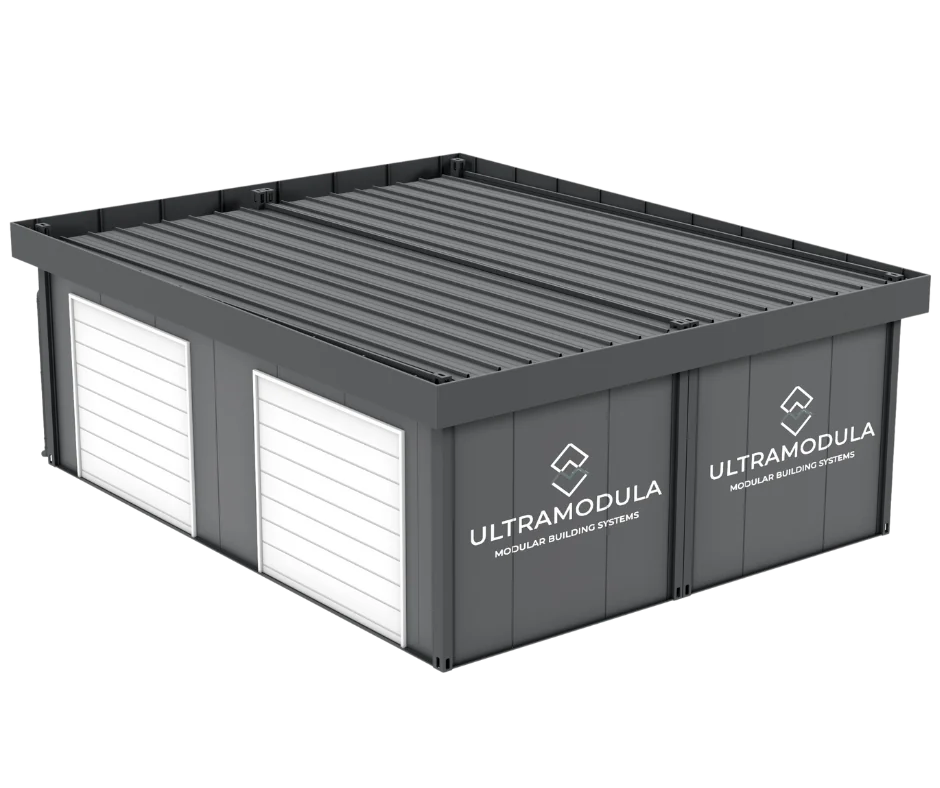
Containers are highly versatile structures that are successfully used in many industries. But is their construction suitable for growing plants and establishing thriving gardens? Of course, they are. This is guaranteed by their stable construction and carefully selected materials.
Stable frame
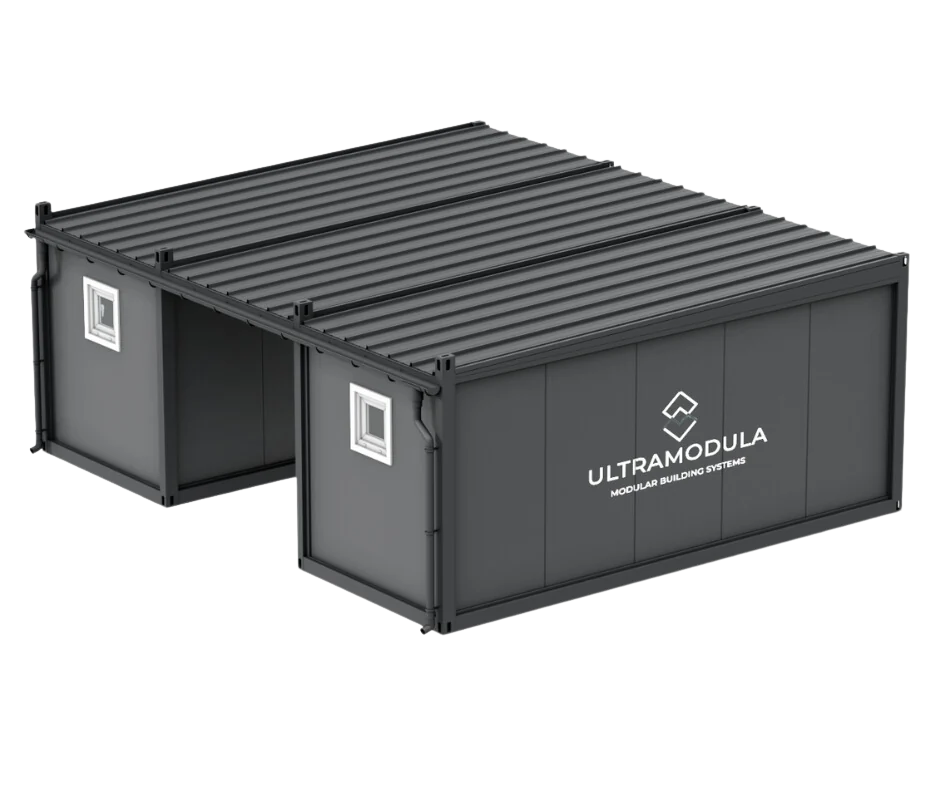
The first and fundamental element of a portable garden or vertical farm is a stable frame. It's essential to use high-quality materials to ensure the container's durability and strength . Choosing the appropriate sheet metal thickness and profiles is crucial to ensuring adequate structural rigidity, especially for containers that will be stacked or moved. It's worth knowing what solutions reputable manufacturers use in this area. The frames of such containers should be welded from 4 mm thick cold-formed profiles, ensuring adequate strength. At the same time, to ensure the pavilion's overall strength, the posts bolted to the upper and lower frames must be made of solid profiles – preferably cold-formed, also 4 mm thick.
Durable floor
The floor plays an equally important role as the frame. It must be strong enough to support the weight of the earth, plants and plant support structures on vertical farms. Manufacturers with experience use OSB boards for this purpose, properly secured, resistant to moisture and weather conditions. In addition, it is worth installing thermal insulation to protect plants from too low temperatures in the colder months.
Tight walls and roof
Ensuring a container's airtightness is crucial for maintaining the proper growing conditions inside. Airtight walls and a roof not only prevent heat and moisture loss but also minimize the risk of pests and diseases entering the container. Constructed from high-quality, appropriately thick trapezoidal sheet metal, along with a layer of wool and foil insulation, the container will meet the requirements for a garden or farm.
What's more, each container that is to be a place for growing plants should be equipped with an appropriate ventilation system that will allow air exchange and maintain appropriate humidity. This is especially important in the case of vertical farms, where plants grow at different levels. Proper ventilation will ensure optimal growth conditions for all crops.
Necessary installations for growing containers
Whether a vegetable farm or a garden full of flowers and shrubs is to be built in a container , the facility must be equipped with functional systems enabling efficient cultivation. Creating successful portable gardens and vertical farms in containers requires a proper understanding of the plants' needs and implementing solutions to ensure optimal growth conditions and efficient use of space. The most important areas to address include:
- irrigation and water recirculation,
- lighting,
- stability of climatic conditions.
Water
A drip irrigation system is a key component in portable gardens and vertical farms. It allows you to deliver water directly to the roots of plants, minimizing water loss and ensuring the constant maintenance of an appropriate level of soil moisture. Importantly, they ensure efficient use of water and minimize water wastage. This is especially important in urban settings where access to water may be limited. In addition, current climate change requires us to take care of drinking water resources on a daily basis, which are still shrinking.
It is worth introducing a water recirculation system into the container that allows you to reuse the water that flows from the plants and accumulates in the bottom of the container. Such collection minimizes water losses, the consumption of fresh water is significantly reduced, and the efficiency of irrigation of plants increases.
Light
In addition to watering, light is the most important thing for plants. Adequate lighting is crucial for the growth of crops in containers, especially in the case of vertical farms, where vegetables or fruits are grown on different levels. The automatic light control system allows you to adjust the intensity and duration of exposure to different stages of plant growth, providing them with optimal conditions, and at the same time optimizing energy consumption. Thanks to this, it is possible to achieve high efficiency of photosynthesis and healthy and sustainable growth.
Air and temperature
Climate control systems in containers are extremely important to ensure optimal conditions for plant growth throughout the year. This is not only the key to success in growing plants, but also to increasing the efficiency and profitability of crops. These include factors such as temperature, humidity and air circulation regulation. In vertical farms, where crops are grown at different levels, equal climatic conditions become crucial. Modern solutions allow you to adjust the microclimate inside the container to the specific requirements of various plant species, which enables the cultivation of various crops in one module. In addition, climate control can also include the provision of artificial light, which is especially important when growing plants in rooms with limited natural light.
The green oases of the future
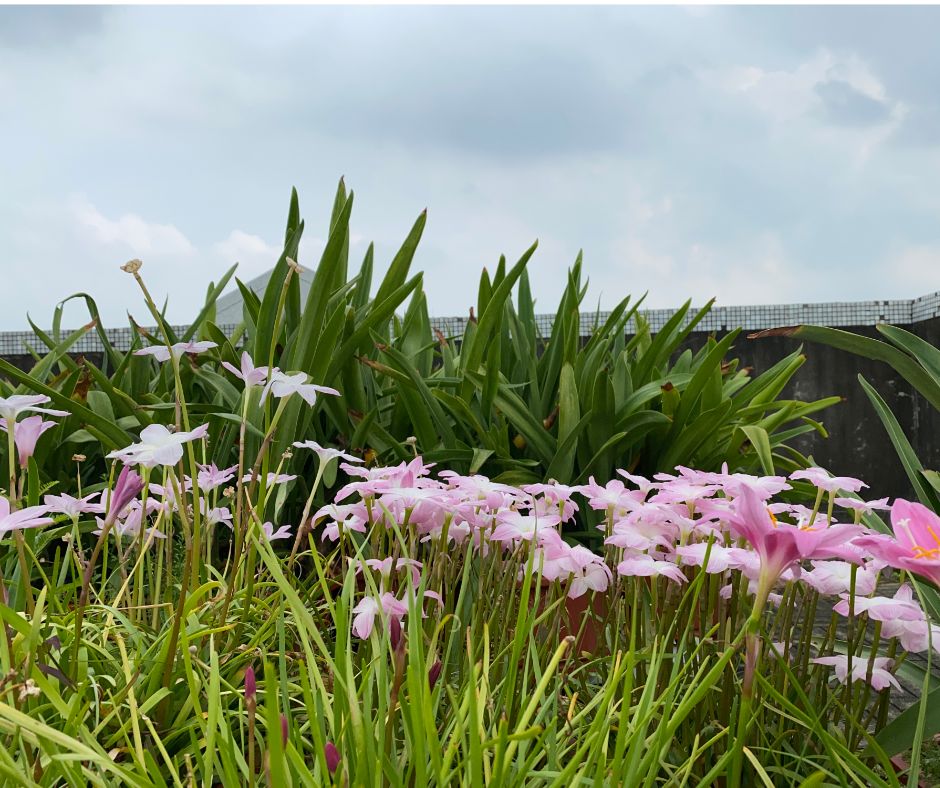
Portable container gardens and vertical farms are a truly innovative approach to urban agriculture, potentially becoming an excellent weapon in countering the challenges of climate change and environmental protection. Traditional agriculture requires vast areas of land, leading to deforestation and habitat degradation. Container farming, on the other hand, allows for intensive food production in a small space, minimizing the need for large land use and thus contributing to CO2 emissions reduction . Furthermore, containers enable local food production, shortening the supply chain and reducing transport-related emissions. Portable container gardens and vertical farms are not only an innovative and effective solution for urban agriculture but also play a key role in reducing the negative impact of human activity on the environment. Thanks to such solutions, urban agriculture can become not only more sustainable and environmentally friendly but also truly effective and profitable.