

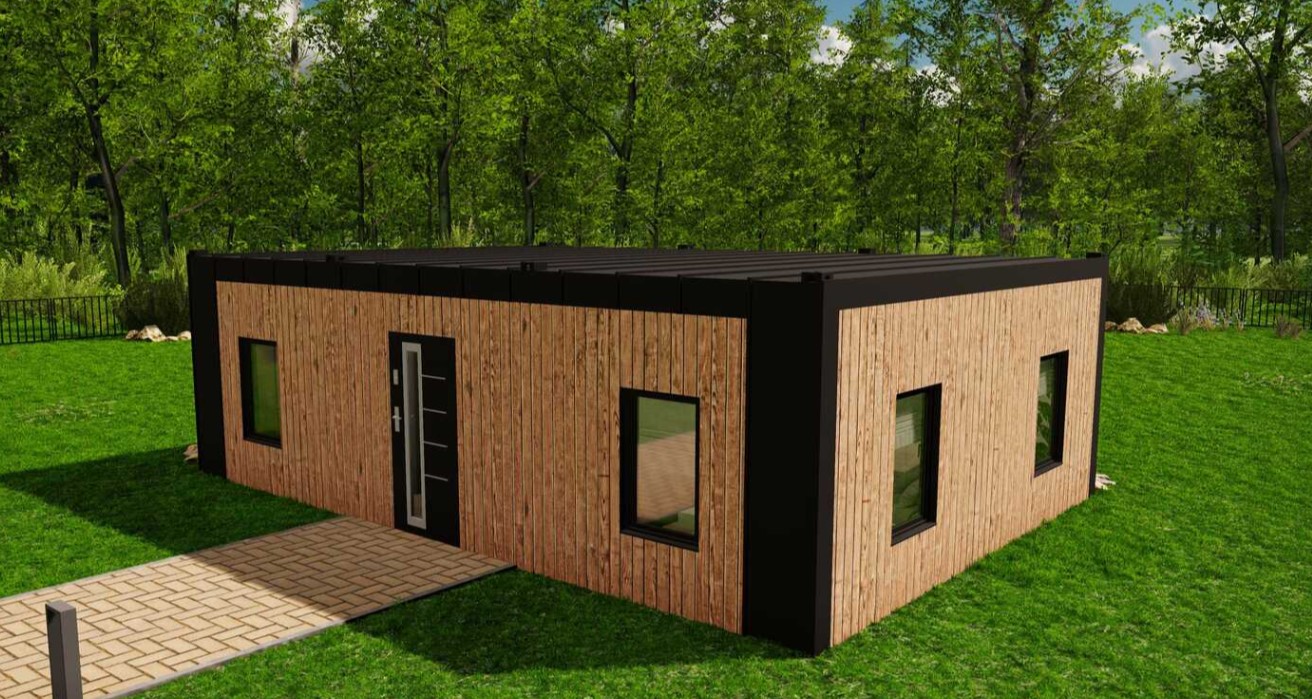
Building a house from a container
Rising real estate prices, the desire to quickly own a home , and the growing environmental awareness of the younger generation have made container homes increasingly popular in recent years as a cost-effective, eco-friendly, and innovative alternative to traditional buildings. While many associate such structures with metal containers fresh from the construction site , modern container homes are elegant, durable, and, most importantly, fully functional. So, what's the step-by-step process for building a container home? It's simpler than it seems, and the results are astonishing.
Step 1: Planning and Design
The very beginning of the journey to building a container home begins with the design. The starting point is deciding on the desired building size . Once this parameter is determined, the functional layout and interior style are designed. At this stage, consideration should be given to issues such as:
- the number of container-modules to be composed of sun,
- size of individual modules,
- functional purpose of the rooms (e.g. number of bedrooms or bathrooms),
- arrangement of containers in relation to each other and arrangement on the plot,
- location of doors and windows.
It is good to entrust designing to professionals: an architect or an experienced manufacturer. It is worth taking advantage of expert advice so that the house is fully functional and its construction meets all safety requirements.

Step 2: formalities, i.e. permission to build a house made of containers
A major advantage of container homes is the ability to build them without complicated formalities. Manufacturers often present these types of buildings as examples of residential structures that can be built without a building permit. And indeed, in some cases, this is true. However, it's worth noting that this interpretation of the law is based on a wide range of factors that ultimately influence whether a permit is mandatory or whether simply reporting to a designated administrative body is sufficient.
At this stage of construction, it's crucial to thoroughly analyze the situation, as building regulations are complex in this area. It's often not as straightforward or straightforward as you might read on container company websites . Therefore, it's worth choosing the services of trusted manufacturers. This not only ensures the high quality of the container (which is crucial since it will serve as a home), but also provides expert support who will guide you through the entire project in a legally compliant manner.
Step 3: Preparing the plot for building a container house
This phase of the project primarily involves clearing and leveling the ground. This is crucial because residential containers are built on a very shallow foundation, requiring proper leveling. Depending on the soil conditions, the foundation design can vary. It's worth relying on the manufacturer's advice, as the requirements for the foundation will also depend on the container's construction and the overall design of the building, including whether it will be single-story or multi-story.
Step 4: Installations
The next step is to install the necessary utilities, including electrical and plumbing. Because container homes have internal plumbing installed during production, consultation with a manufacturer's expert is essential to ensure all connections prepared on-site are appropriate. The electrical system's power and appropriate wire gauges are crucial, as most container homes are heated by electric heaters.
Step 5: Assembling the container house
After preparing the site and bringing all the installations, you can start assembling the house. Depending on the project, this stage will take place in different ways. In the case of a house made of one container, the whole operation will take only a moment. Such buildings are erected in the indicated place using a crane or HDS, and it takes literally a dozen or so minutes, and then all that remains is to connect electricity and water.
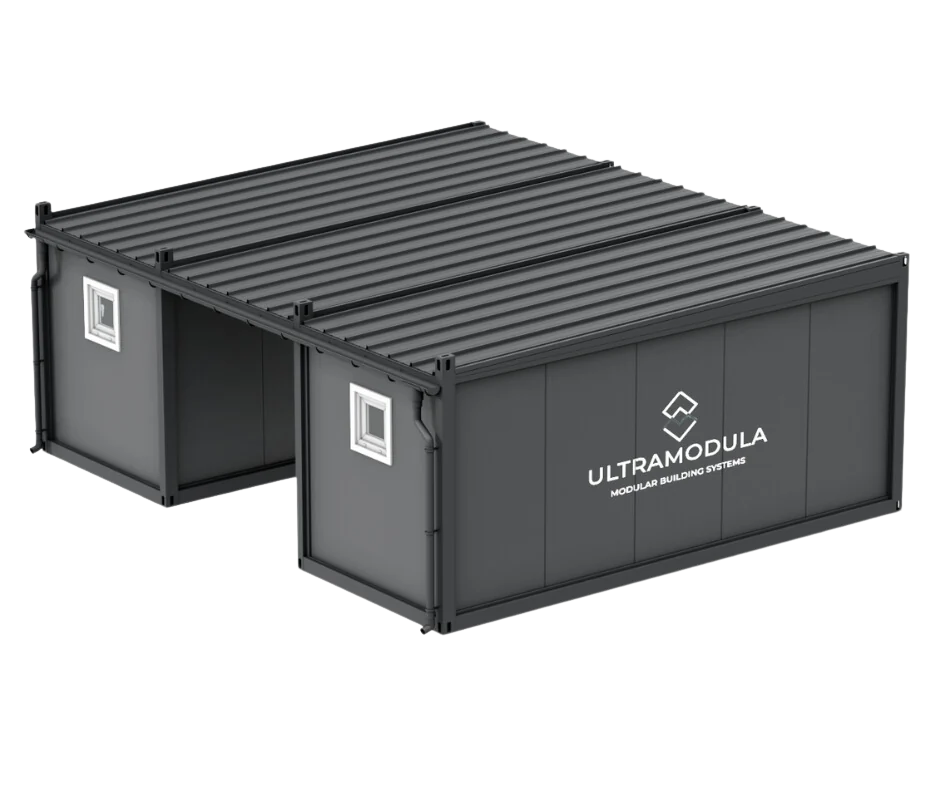
The situation is somewhat different when a house design consists of several or a dozen modules. Connecting them takes a bit more time and requires specialized skills, so it's best to leave this to an experienced manufacturer who will oversee the entire process of assembly, stacking, and connecting the containers.
Step 6: Interior finishes
When a house made of a container or several containers is already erected and connected to the installation, you can start finishing the interior. This is an important step, on which the final comfort and appearance of the house will depend. This includes laying out the selected floor finish, painting the walls and ceilings, as well as furnishing the kitchen and bathroom - just like in a traditional apartment.
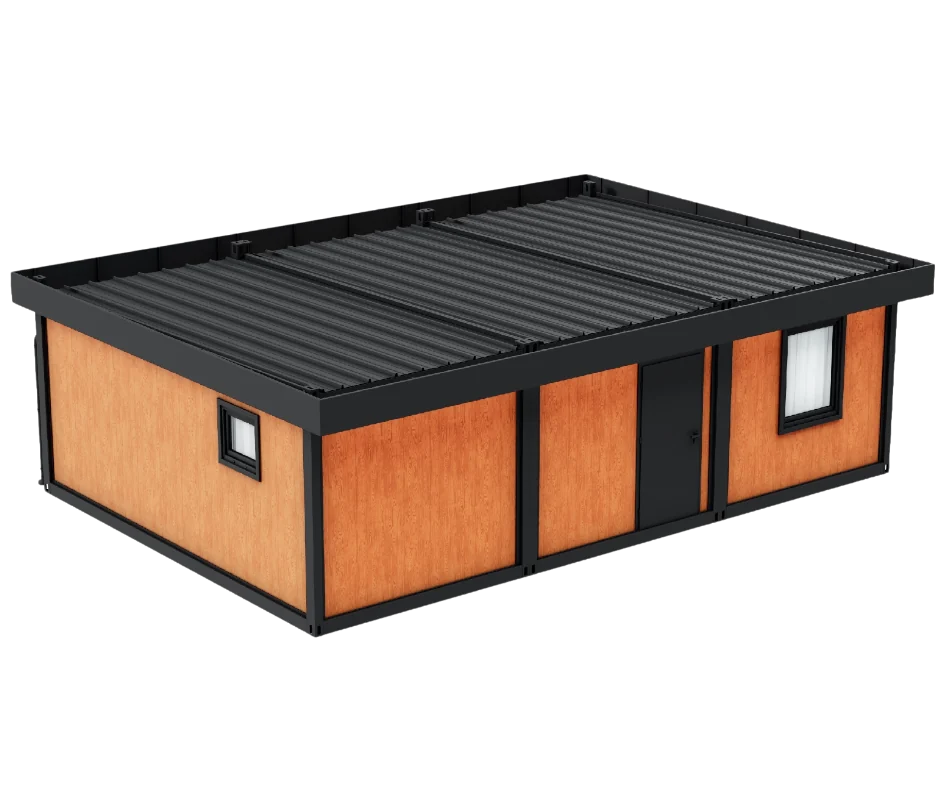
Unlike a traditionally built house, a container home doesn't require any exterior finishing. The finished units are delivered with a pre-selected finish, most often with painted sheet metal walls or a wooden facade.
Step 7: Moving!
Building a container home , like any construction project, is an exciting project. However, it's significantly easier than the traditional version and can be completed in significantly less time. By following the steps outlined and working with experienced manufacturers, you can easily build a functional, comfortable, and beautiful home.
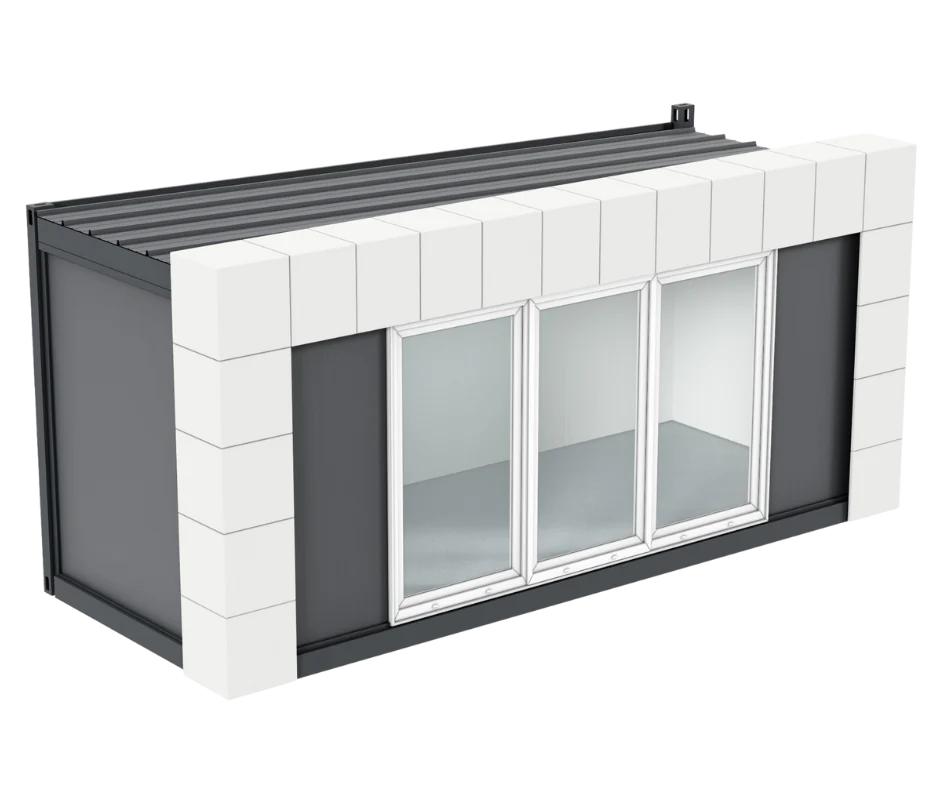
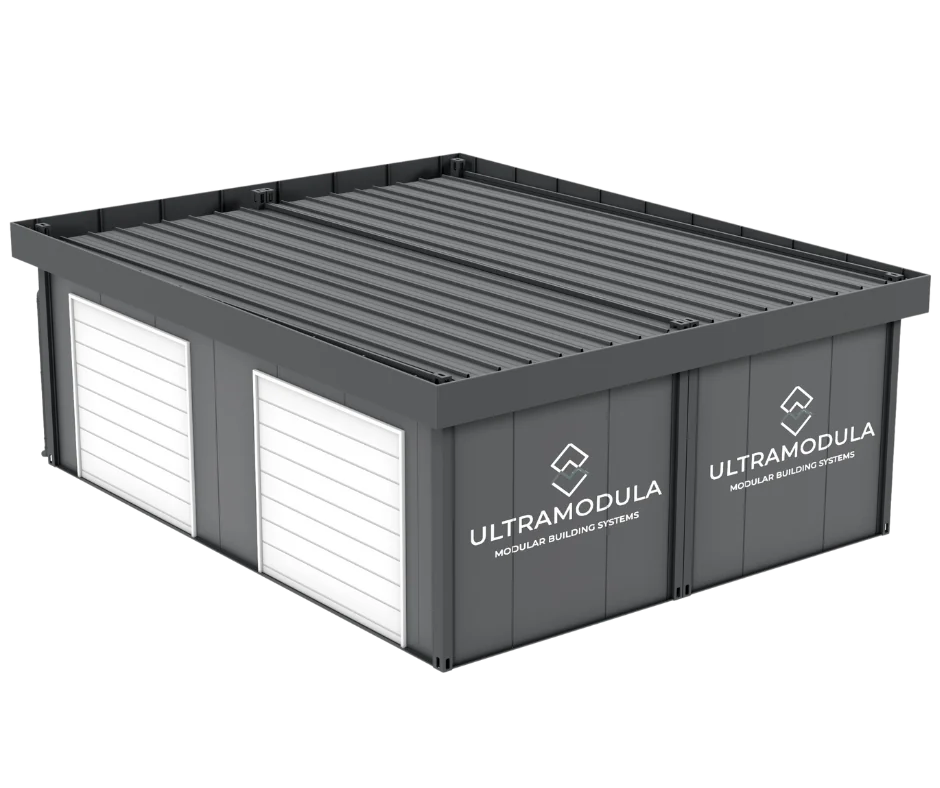
Check out our cottages:
For whom can a container house be a good option?
This is certainly an excellent solution for young people starting their adult lives. The idea of container homes is perfectly captured by the saying " cramped, but your own ." It's a known fact that for every young person, having their own home is an important milestone in life and often a difficult dream to achieve. Besides the low cost of purchasing such a building, the small plot required makes this solution easily accessible to a much larger group of people than a traditional house or apartment. Container homes are also an interesting option for those who value minimalism and are committed to environmental sustainability.