Research conducted several years ago by Dale Office Interiors shows that over one-fifth of young people (aged 18-34) will reject a potential employer because of an outdated or uninspiring office design. The most important elements expected in office spaces are:
- presence of relaxation areas (34,9% of respondents),
- open layout with spaces for team work (24,4% of respondents),
- access to exercise equipment (16,3% of respondents),
- access to recreational facilities (14,2%),
- hot-desking, i.e. the ability to work in various places in the world office – lack of a permanent desk (8,5%).
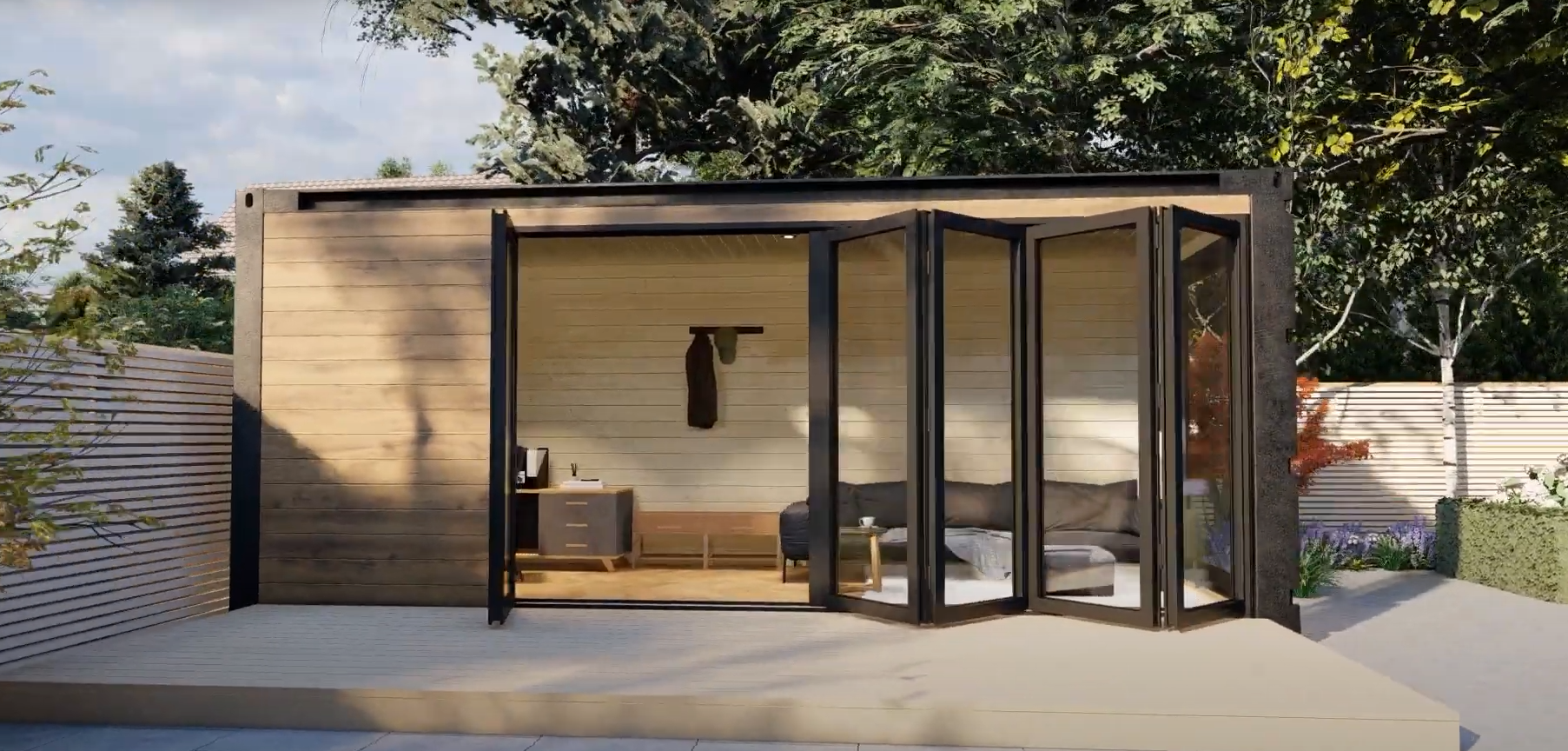
As you can see, variously understood and equipped spaces for relaxation and rest are crucial for employees. When designing container offices , it's also important to keep this in mind.
Why is it worth planning relaxation and rest spaces in container offices?
In addition to the above-mentioned research and the issue of acquiring talent for the organization, there are also other important reasons why it is worth taking care of functional relaxation spaces in every office, including container ones.
First: health
Properly designed relaxation spaces have a positive impact on employees' mental health. The modern way of working, as well as the general fast pace of life, require constant full concentration and commitment, which may lead to excessive stress. Creating places where you can break away from your duties for a while, rest and cut yourself off from stimuli is crucial to maintaining mental health. This, in turn, translates into fewer sick days, including those related to common colds, because long-term stress weakens the body's immunity.
Second: motivation
Research on work psychology clearly shows that employees who can freely use space for relaxation on a daily basis are more motivated to perform their duties. Short breaks and moments of relaxation allow you to reset your mind, resulting in increased productivity and creativity.
Third: the strength of the team
Introducing relaxation spaces into container offices plays a significant role in fostering a positive team atmosphere. Such spaces not only serve as relaxation areas but also serve as meeting points where employees can freely exchange ideas and integrate. Informal meetings foster trust, openness, and better communication between team members. This reduces communication barriers, which can in turn translate into effective collaboration within formal projects and lead to the development of innovative ideas.
6 stages of designing a recreation space
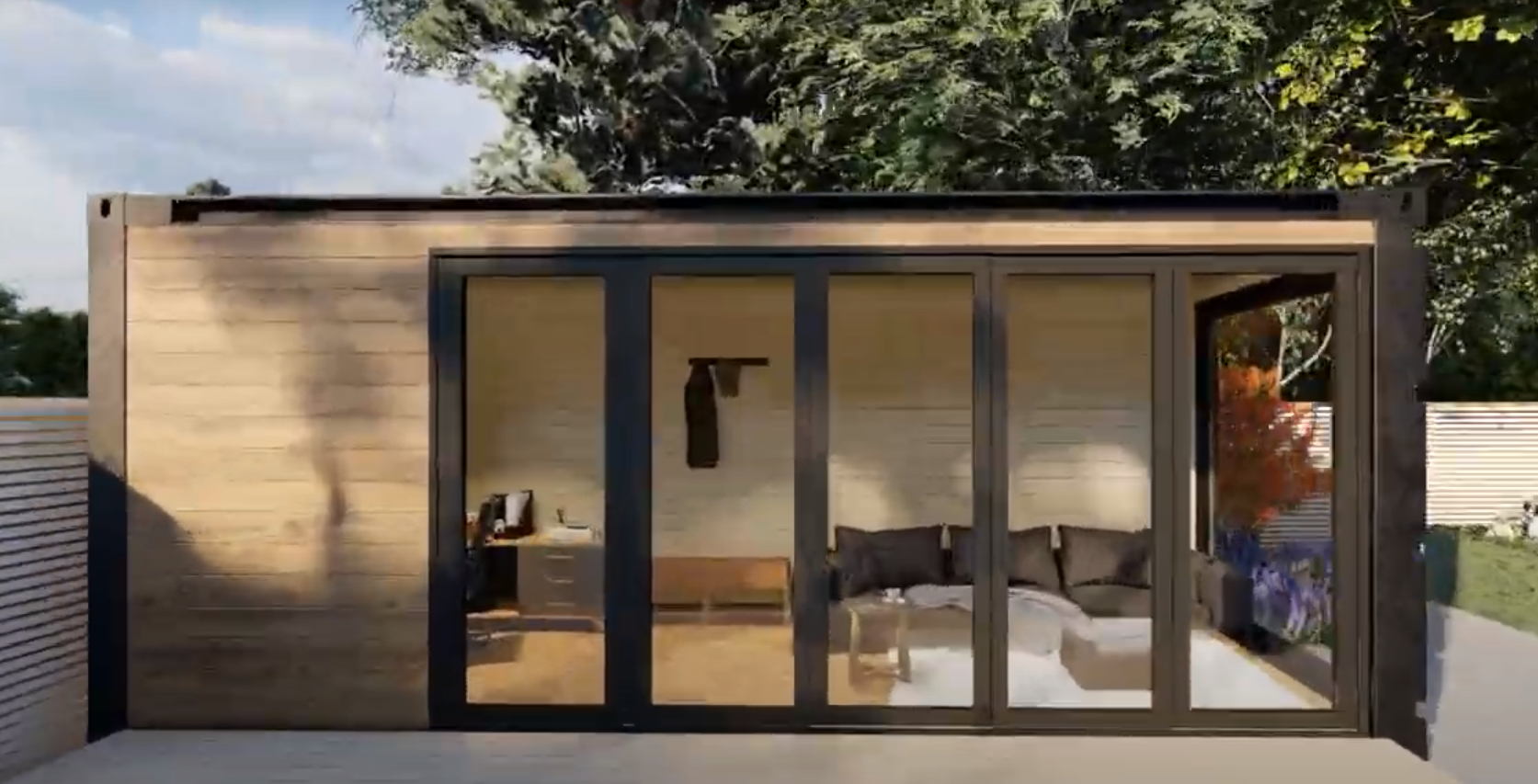
Planning a comfortable place to relax for employees is a process that requires a holistic approach, taking into account both practical and aesthetic aspects. There is a need not only to properly use the available space, but also to understand the needs and expectations of employees.
Stage 1: Analysis of space and employee needs
Designing relaxation and rest spaces in container offices should start with a thorough analysis of the available space and understanding the needs of employees in this area. A good tool may be an anonymous survey that will allow you to obtain information about preferences and expectations. It is worth considering the type of activities employees undertake during breaks to adapt the spatial plan to this. Due to the somewhat limited space in container offices, the analysis stage is crucial so as not to overestimate the necessary space for relaxation areas that will not be optimally used later.
Stage 2: Space optimization
After determining the size of the space that will be allocated to the relaxation area, you should pay attention to its most effective use. The relaxation space must be fully functional, but at the same time not take up too much space. The use of multifunctional space and clever arrangement of furniture are the key to achieving this goal.
Stage 3: Selection of ergonomic furniture
Ergonomics plays a key role in the design of relaxation spaces. Choosing the right furniture, such as ergonomic chairs, sofas, or tables, influences employee comfort and, consequently, their willingness to use relaxation spaces. If these spaces aren't truly comfortable, they won't be an attractive alternative to hallway or kitchen meetings. Furthermore, ergonomic solutions support employee physical health, which in turn translates into increased work efficiency.
Stage 4: Adding good lighting and complementary elements
Relaxation spaces in container offices should be places that promote relaxation and regeneration. Supplementing them with natural elements, such as plants or natural materials, will help create a cozy and comfortable atmosphere. Appropriate lighting is also important - natural light is of course the best, but if you don't have access to it, it is worth investing in LED lighting of the appropriate color. This solution is not only good for the well-being of employees and the health of their eyes, but also energy-saving.
Stage 5: Technology integration
In relaxation spaces, access to Wi-Fi, USB sockets or even intelligent lighting management systems is essential for the comfort of employees. It significantly improves the functionality of these places, enabling employees to freely use electronic devices or organize online meetings in a cozy atmosphere.
Stage 6: Verification of implemented solutions
After completing the design of the relaxation space and its first period of use, it is worth collecting employees' opinions about it and then adjusting those elements that require replacement. Constant monitoring and optimization of the relaxation space are important to maintain its attractiveness and, therefore, its importance for the effectiveness of daily work.
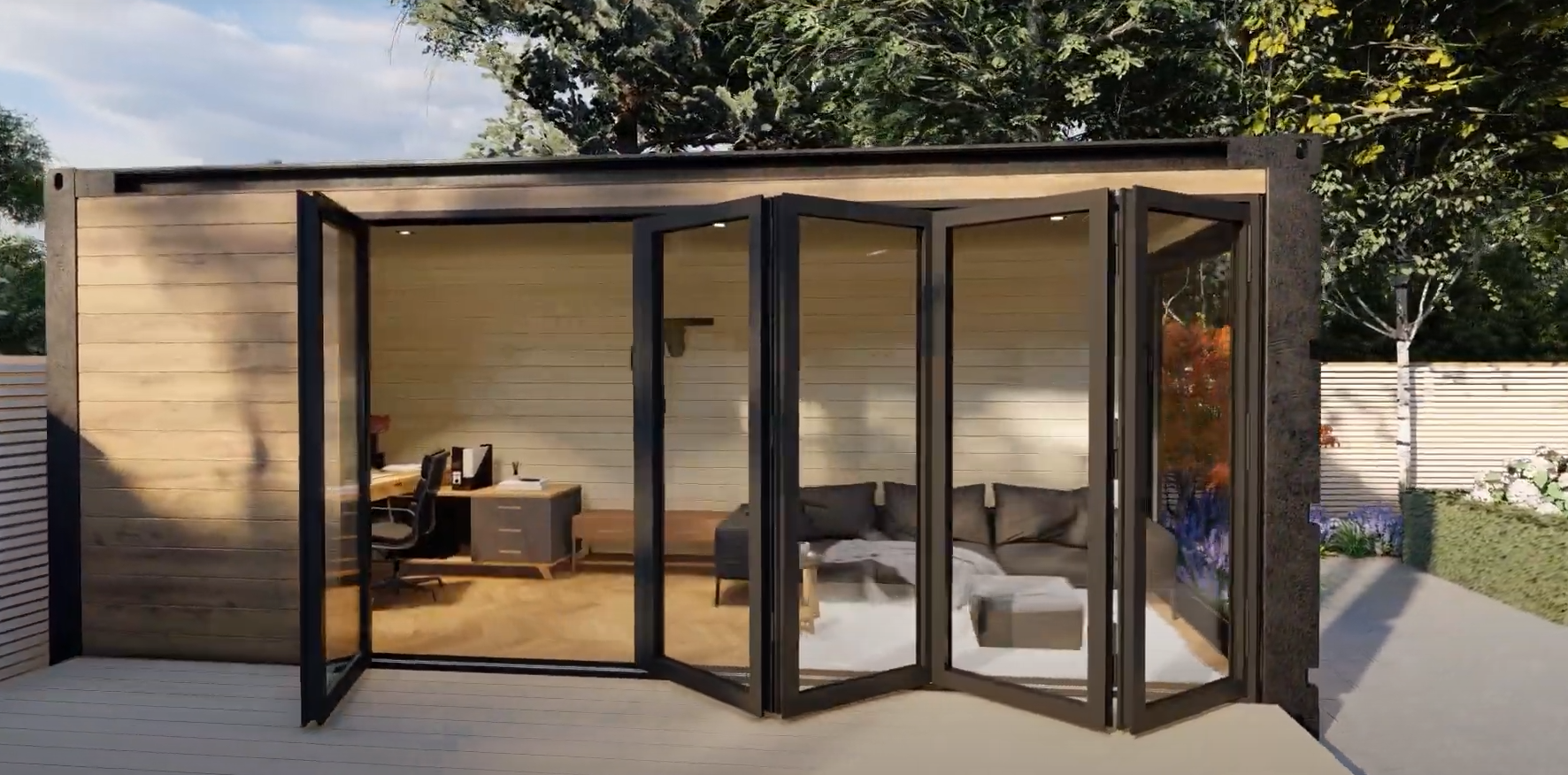
What furniture and interior design solutions will work well in relaxation spaces in container offices?
When looking for the best elements of equipment for a relaxation area, you should first of all remember the role that such places play in the daily routine of employees - they are supposed to be a space where employees can regenerate and break away from their duties. Therefore, the most important thing is comfort. Therefore, armchairs and sofas should not only look great, but also be ergonomic, supporting correct body posture. They must encourage you to "sit down" on them, giving you a moment of comfortable relaxation. A good choice are pouffes that fit every person, regardless of height or body posture.
If the lounge area is small and also serves as a meeting space, it's worth investing in multifunctional and modular furniture . Solutions like folding tables, whose work surface can be expanded as needed, or poufs with built-in storage, are an excellent solution for small lounge areas. This allows the furniture to be easily rearranged when used as a meeting space. Modular furniture, on the other hand, offers users the freedom to shape the space. Cabinets, tables, and even seating can be adjusted and arranged depending on current activities, such as meetings, presentations, or creative sessions.
Greenery is a valuable addition to relaxation and rest areas, as well as entire container offices. Potted plants, moss walls, plant walls… all of them serve a purpose that goes far beyond mere decorative elements. One key aspect that makes plants an invaluable addition to relaxation areas is their ability to improve air quality. Through photosynthesis, plants absorb carbon dioxide and other harmful substances while simultaneously releasing oxygen. Furthermore, spending time in areas with abundant natural greenery has a positive impact on well-being.
Team integration and silence in the relaxation area in a container office
In the context of designing relaxation and rest spaces in container offices, their acoustics and ensuring privacy are important elements in creating a comfortable atmosphere. Although these places are intended to encourage employee integration, it is also crucial to create a space that allows for rest in silence, without additional stimuli.
Employees often need a moment of peace and quiet alone, especially in a busy office environment. Therefore, special attention should be paid to the acoustics of the relaxation area. The use of sound-absorbing materials and optimal furniture arrangement help create a peaceful oasis even in a small container office. Privacy is key, so it's worth using certain "tricks" to separate relaxation areas from the rest of the office. Tall potted plants, freestanding, mobile sound-absorbing panels, or shelving can act as walls without taking up so much valuable square footage.
Recognizing how well-designed relaxation spaces can impact employee engagement and the company's image in the eyes of job candidates, such spaces are no longer considered a trendy addition to a functional office. Relaxation areas are an integral part of every office design, including container offices , offering employees a place that fosters creativity, regeneration, and team bonding. A thorough needs analysis and equipping such a space with ergonomic, comfortable furniture and accessories is a long-term investment in employee health and well-being, which in turn translates into increased efficiency in daily work.