
Container insulation
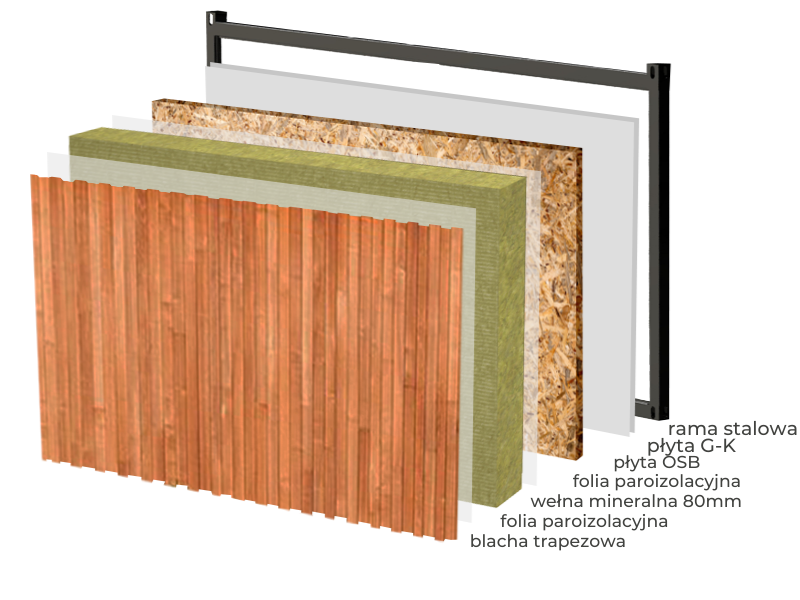
Wall insulation in a container house
Once primarily used as transport units, containers now play a significant role as living spaces , offices, and even service points. However, to ensure comfort and energy efficiency in containers , good thermal insulation is crucial . In this article, we'll look at various insulating materials and best practices for insulating container floors.
Insulating materials for containers
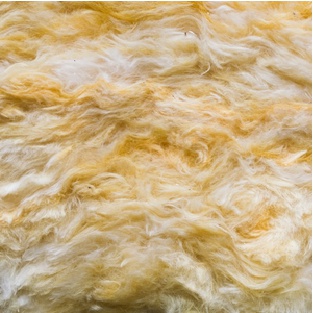
Mineral wool
- Polyurethane foam: This is a popular choice due to its excellent thermal insulation. Polyurethane foam is characterized by high density and minimal heat conduction, which makes it an effective insulation even in limited space.
- Mineral wool: Mineral wool is another frequently used insulating material. It is easy to install and has good acoustic and thermal insulation. Additionally, it is resistant to moisture, which may be important in the case of containers used in various weather conditions.
- Polystyrene foam (styrofoam): Polystyrene foam is an economical insulation solution. While it may not provide as much insulation as polyurethane, it is still an effective choice for containers, especially where costs need to be optimized.
Choosing a floor in a container
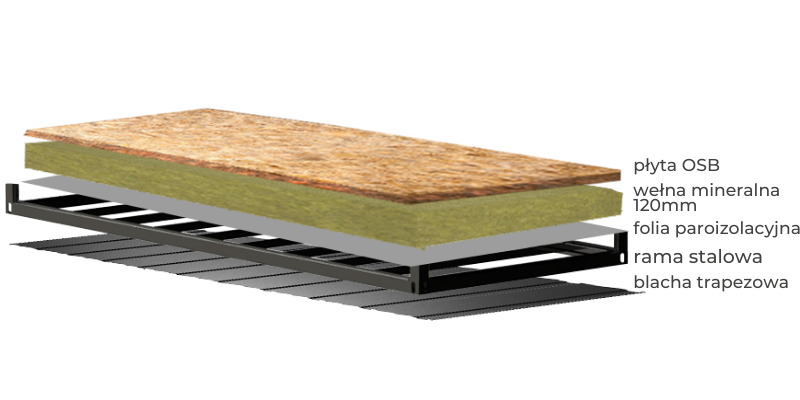
Floor insulation in a container house
Container flooring must not only be durable but also moisture-resistant and easy to clean. Here are some popular options:
- Floor made of sandwich panels: Panel flooring is often used in containers. It is made of a layer of wood covered with laminate or other wear-resistant material. It is easy to keep clean and durable.
- Floor made of PVC floor panels: PVC floor panels are waterproof, easy to clean and quite durable. They are also relatively cheap, which makes them a popular choice for containers used as living quarters.
- Wooden floor: Although wood flooring may be less popular due to its greater susceptibility to moisture, it can be used in containers, especially if you plan to use them in dry conditions and monitor the humidity regularly.
The bottom line is that choosing the right insulation and flooring materials is crucial to the comfort and efficiency of containers used as residential or office spaces. Good insulation and a solid floor will not only provide protection against temperature fluctuations but also long-term durability and comfort.