
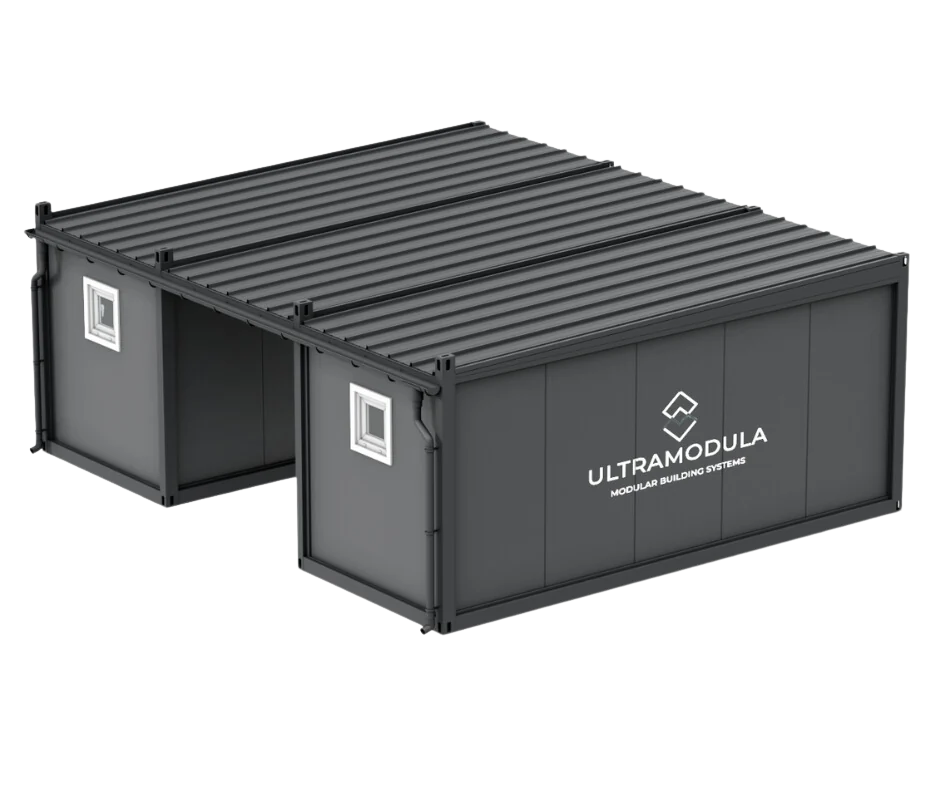

Comparison of container recreation rooms with traditional buildings – Analysis of costs, implementation time and functionality
In an era of growing needs of local communities and the need to quickly provide functional public spaces, local governments and investors increasingly face the choice between a traditional brick building and a modern solution in the form of a container community center. Both solutions have their advantages, but they differ in terms of costs, implementation time and usability. Below we present a detailed comparison that may help you make a decision.
Investment costs – container vs. wall
Container daycare centers clearly outperform in terms of initial costs. Standardized components and prefabrication significantly reduce production and assembly costs.
- Common room container:
- lower cost construction (up to 40–50% less than a brick building)
- no need for deep foundations
- lower transportation and assembly costs
- Traditional building:
- high cost of labor and building materials
- additional fees for permits, installations and a long implementation process
Lead time – speed matters
When it comes to community projects like village community centers, time is of the essence . Containers are ready for use within weeks of being ordered.
- Containers:
- production of modules in the factory
- on-site assembly takes several days
- the ability to quickly launch a business
- Traditional buildings:
- long-term earthworks and construction works
- dependence on weather conditions
- total implementation time: from several months to over a year
Functionality and flexibility of use
Both forms of construction can provide a comfortable and attractive space, but containers offer greater flexibility in terms of adaptation and expansion.
- Container community center:
- the ability to adapt the interior layout to specific needs
- easy expansion by adding additional modules
- mobility – the ability to move the object to another place
- Traditional building:
- greater architectural possibilities
- durability of the structure for many decades
- more difficult and expensive reconstruction or change of location
Environmental aspects and energy efficiency
Modern containers are increasingly being designed with ecology in mind – using recycled materials and energy-saving solutions.
- Containers:
- smaller carbon footprint
- possibility of installing photovoltaic panels, heat pumps
- rapid modernization and reuse of structures
- Brick buildings:
- greater consumption of natural materials
- more difficult modernization in terms of ecology

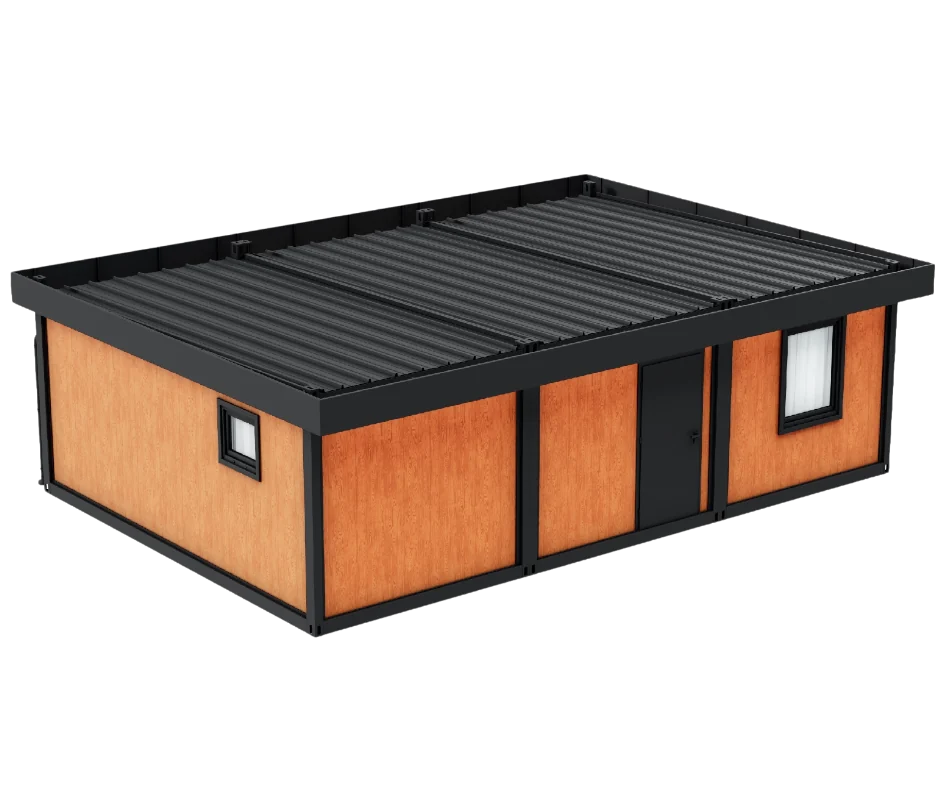
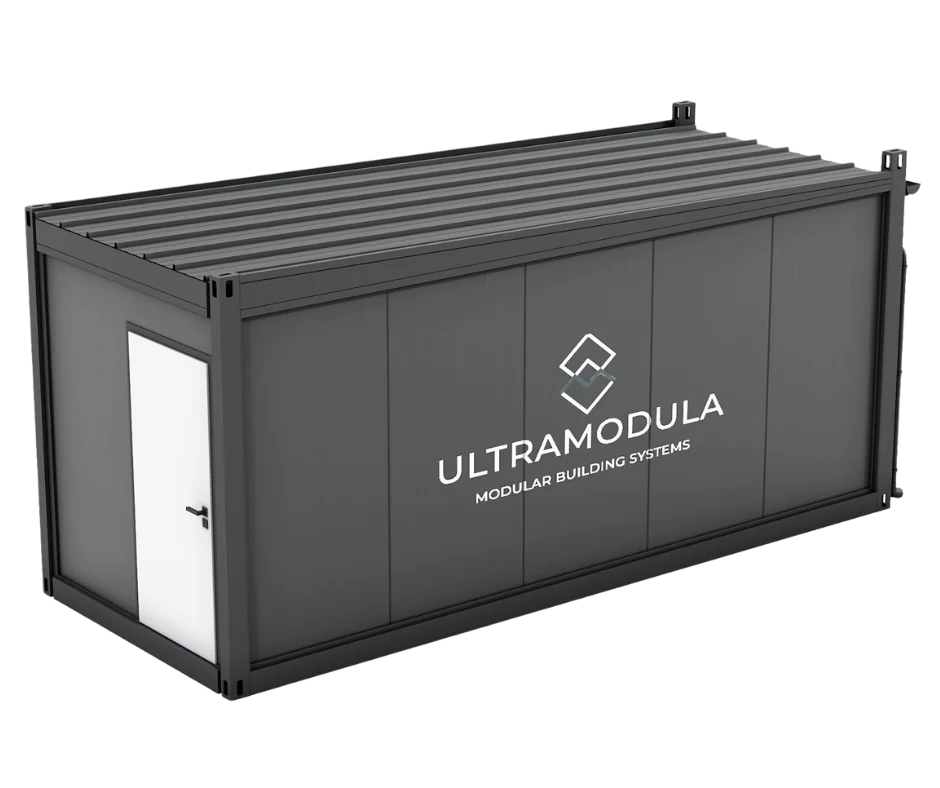
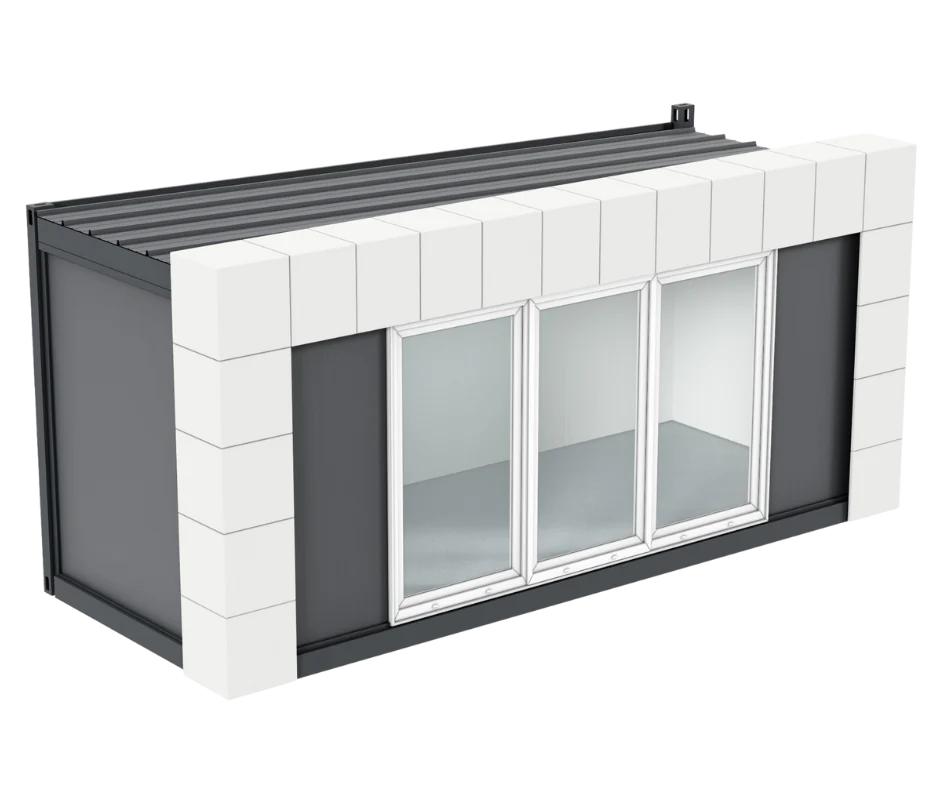
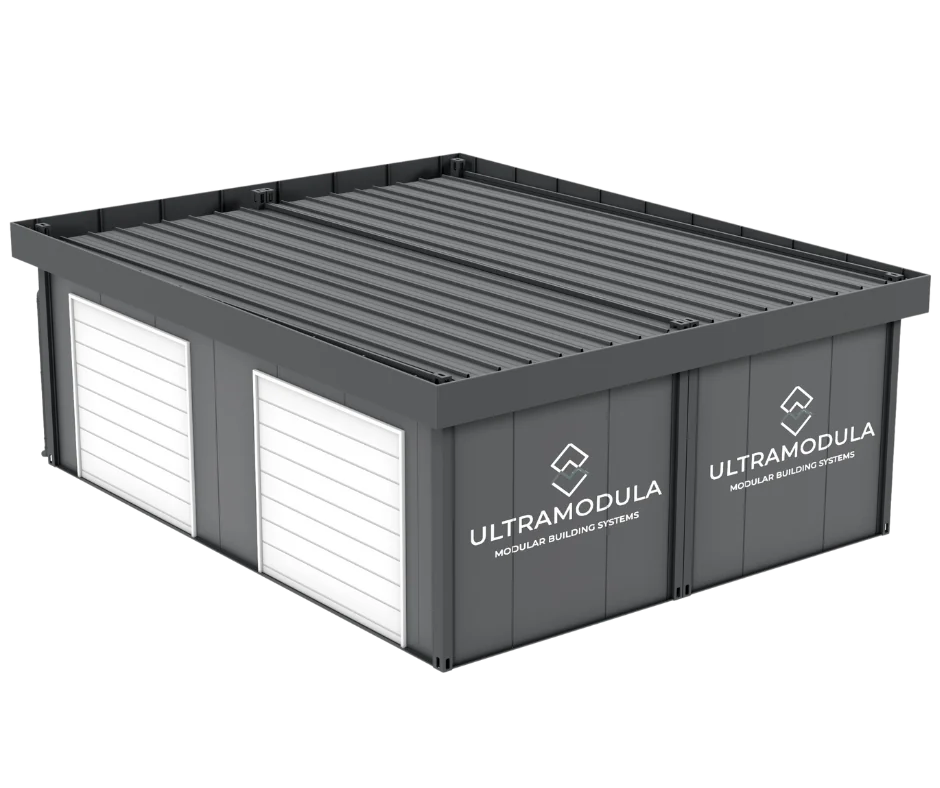
Container clubhouse – implementation Ultramodula
Container recreation centers are a modern alternative to traditional buildings – cheaper, faster to build, and more flexible. While brick buildings offer longevity and greater freedom in shaping their architectural form, containers are an ideal solution for local communities that need a quick and functional space for integration, education, and recreation.
If your municipality or institution is planning to create a community center , it is worth considering a container solution as a modern and profitable investment.