
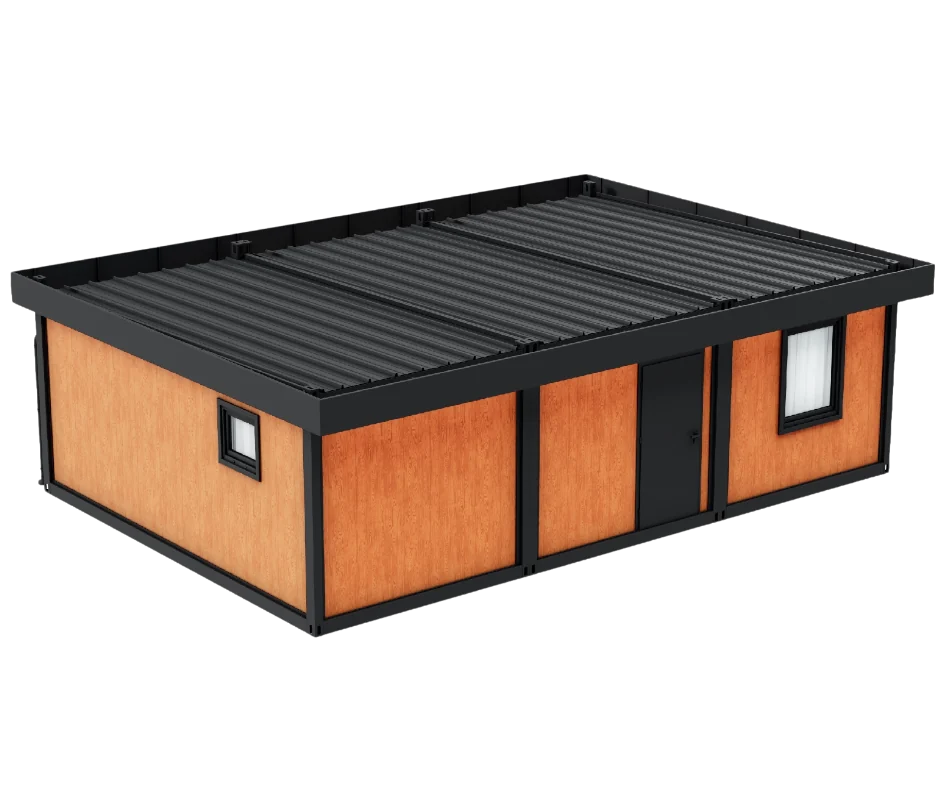
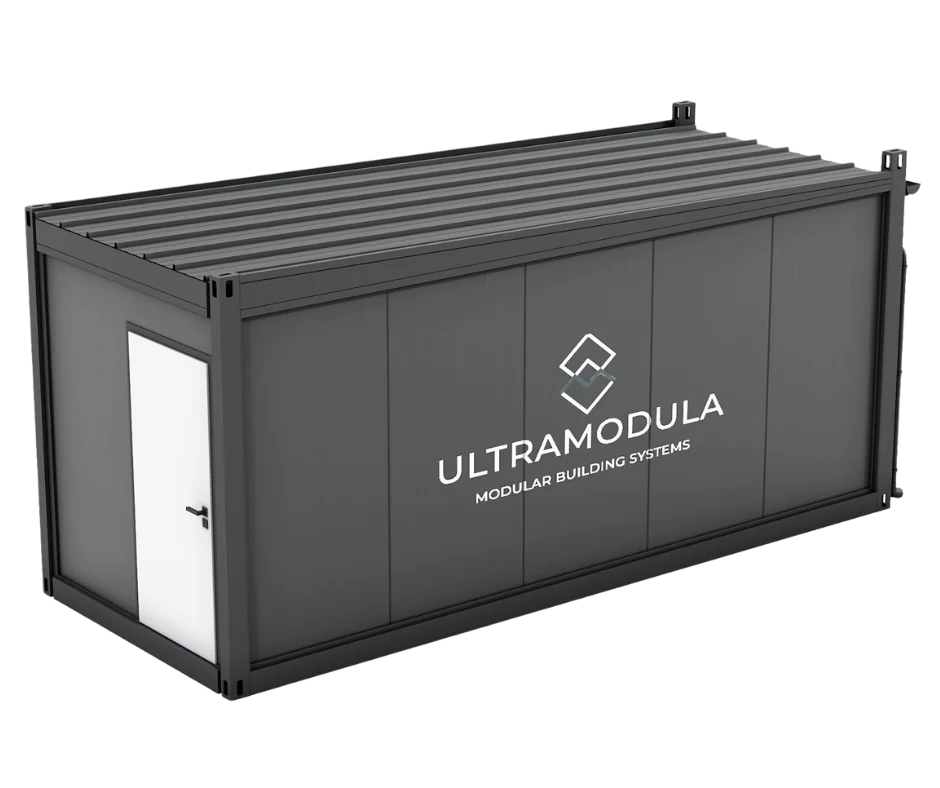
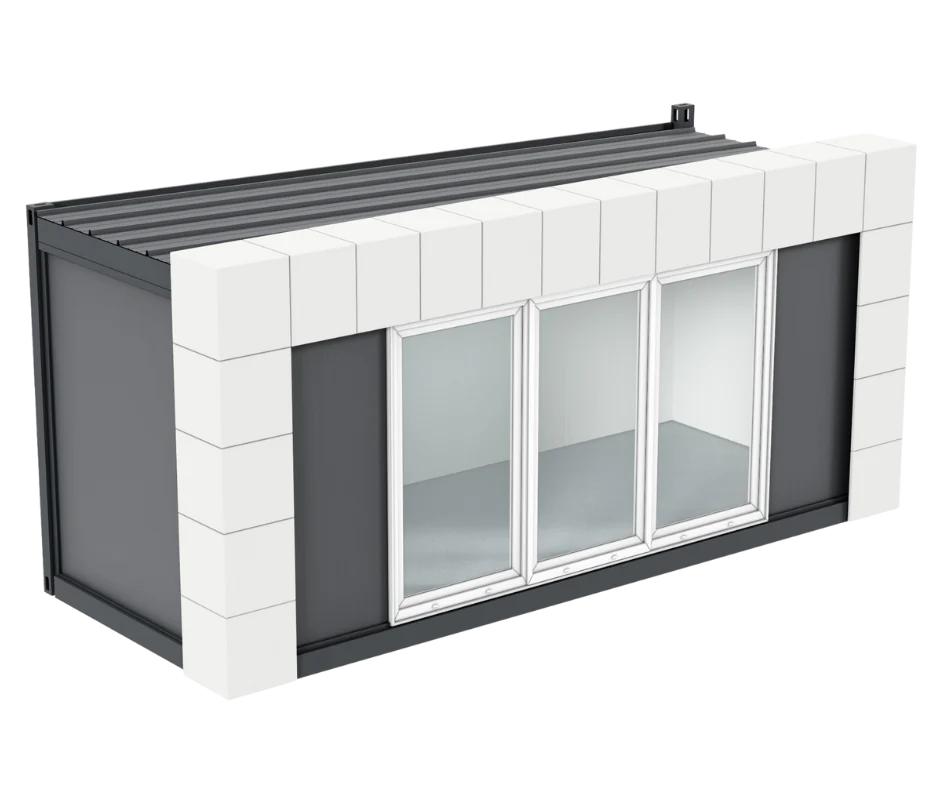
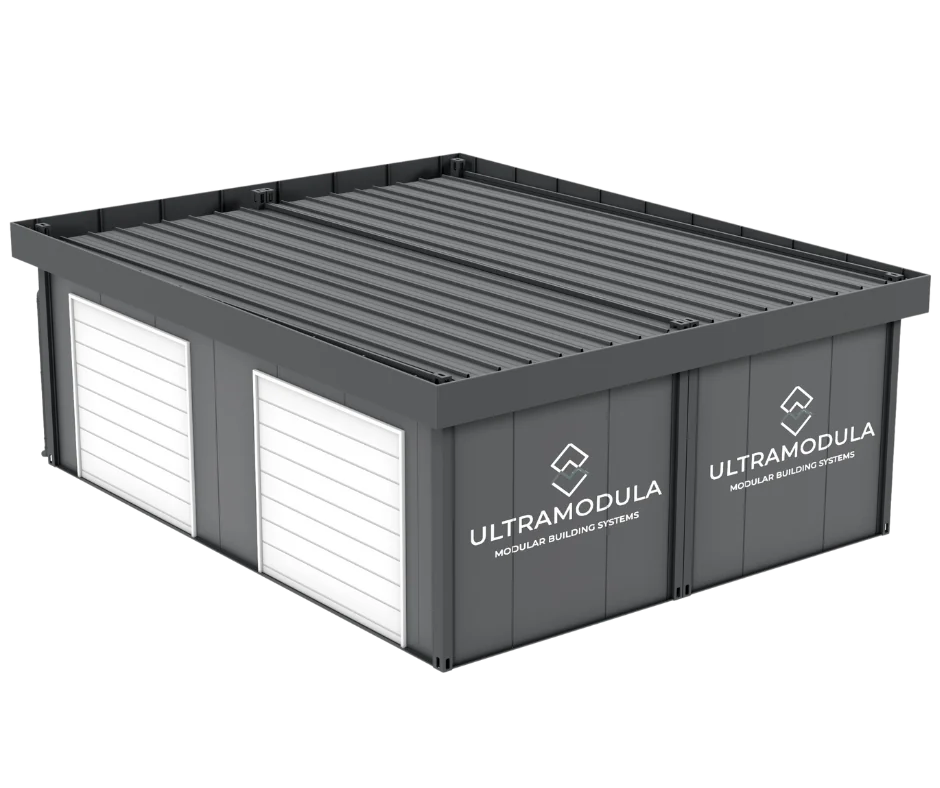
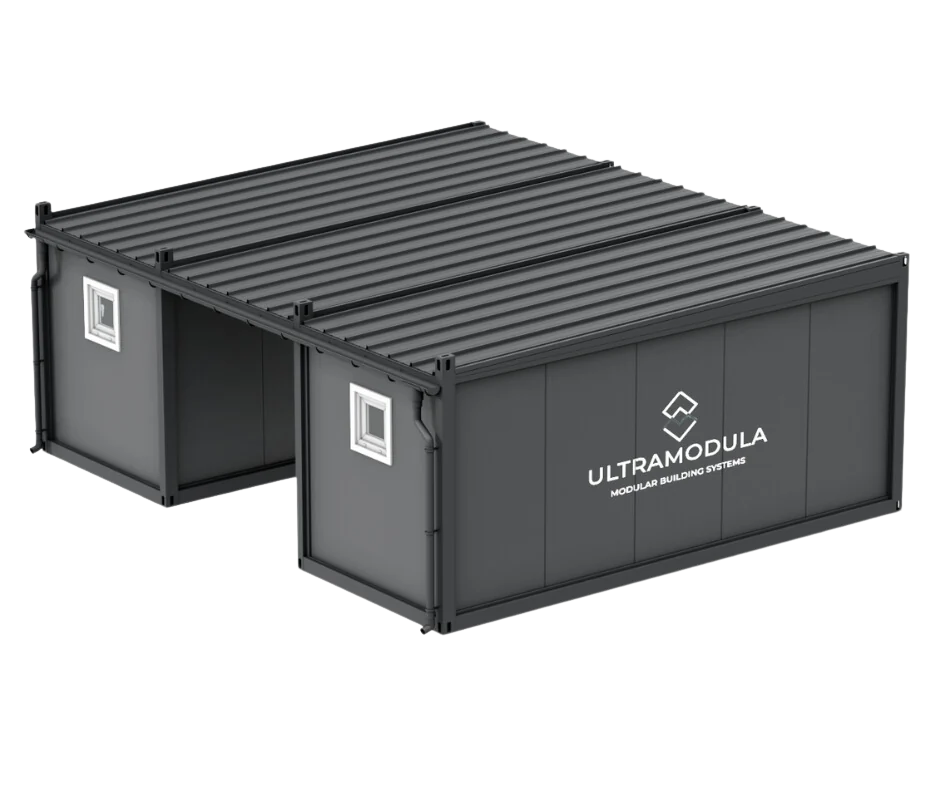

In an era of growing freelancers and startups, expectations for workspaces are changing. Traditional offices often fail to meet the needs of dynamically developing companies or remote workers. In response to these challenges, container buildings adapted as modern coworking spaces are gaining popularity . This trend is attracting attention due to their flexibility , low costs , and eco-friendly nature.
Why Containers? Practical Benefits
Containers have several features that make them an ideal choice for coworking spaces:
1. Modularity and mobility
Containers can be easily adapted to various functions, creating both single offices and larger coworking spaces. Their mobility allows the facility to be moved to different locations depending on the needs.
2. Cost of efficiency
Compared to construction traditional offices, adaptation container is much cheaper. Startups and freelancers, often operating on a tight budget, can benefit from this saving.
3. Sustainable development
The use of used containers fits into the idea recycling and reducing construction waste. What's more, modern containers can be equipped with solar panels rainwater collection systems, which makes them more ecological.
4. Design flexibility
Containers can be combined, arranged vertically and horizontally, creating unique, modern spaces. Thanks to this, coworking spaces can be both functionalAnd visually attractive.
Freelancers and startups in containers – changing work culture
The increased popularity of remote and hybrid work has made coworking a key solution for those seeking workspace outside of their homes . Coworking containers address these needs by:
- Locations in unusual places
Containers can be placed in parks, near transport hubs, making them more accessible. - Personalization options
Each space can be tailored to the specific requirements of its users – from private offices for small teams to shared open spaces for freelancers. - Low rental costs
Spaces in containers are cheaper to maintain, which allows them to offer lower rental rates.
Examples of implementations around the world
1. Boxpark (London, UK)
Initially it was built as a retail space, but some of the containers were converted into coworking offices. The connection industrial style with functionality attracts a variety of user groups.
2. DoBox Coworking (Berlin, Germany)
Project containerized located in a dynamic startup district. High flexibility of arrangement space attracts young entrepreneurs and freelancers.
3. Containerwerk (Europe)
A company specializing in adapting containers for various purposes, including coworking. The projects stand out modern design i ecological solutions.
Challenges and the future of coworking containers
Although containers as workspaces are gaining popularity, they also have their challenges:
- Insulation thermal and acoustic
To ensure user comfort, investment in high-quality insulation is necessary. - Administrative consents
In some countries, the installation of containers may require special permits. - Aesthetics of the surroundings
Containers, despite their advantages, do not always fit into classic urban development.
Despite these limitations, the trend of using containers as coworking spaces seems to have a bright future. The growing number of users of such offices demonstrates that they combine innovation with the practical needs of modern workers.
Coworking containers are an example of how creativity in architecture responds to the changing needs of the labor market. Their eco-friendly nature , low costs , and flexibility attract both freelancers and small businesses. With the growing number of people working in hybrid and remote models, containers could become an important element of the modern cityscape.