
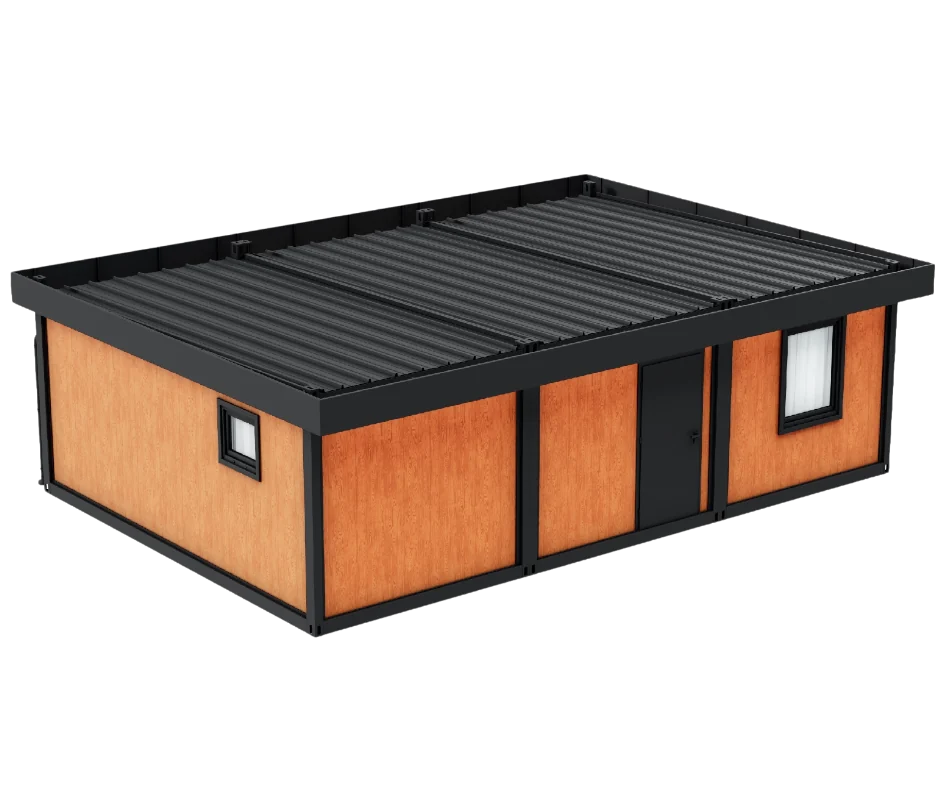
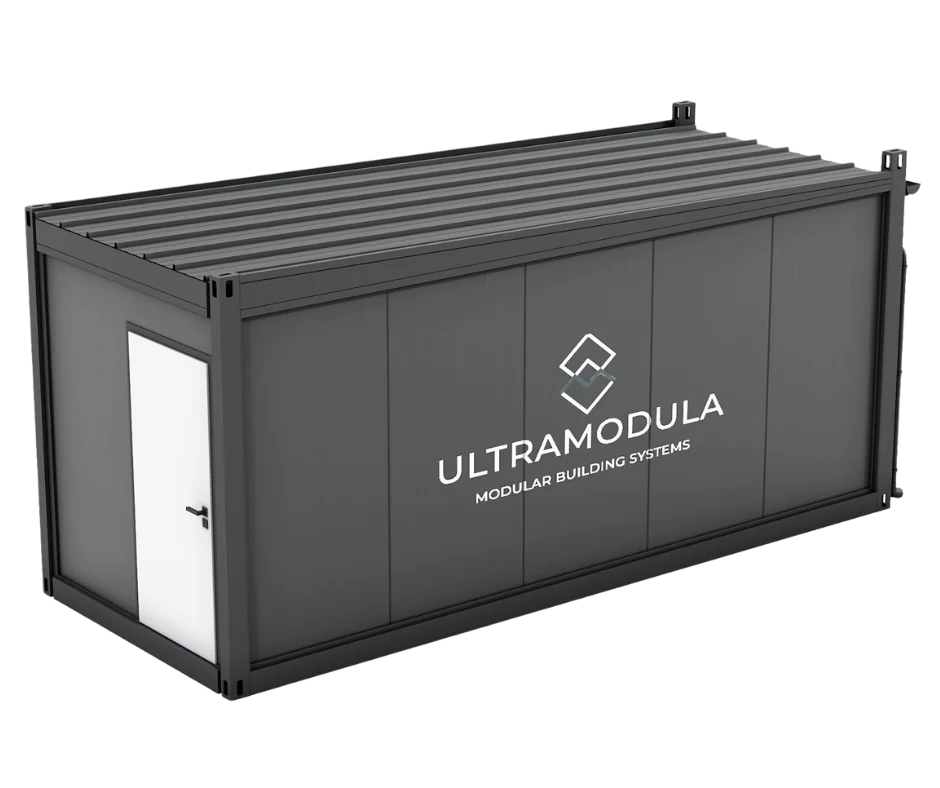
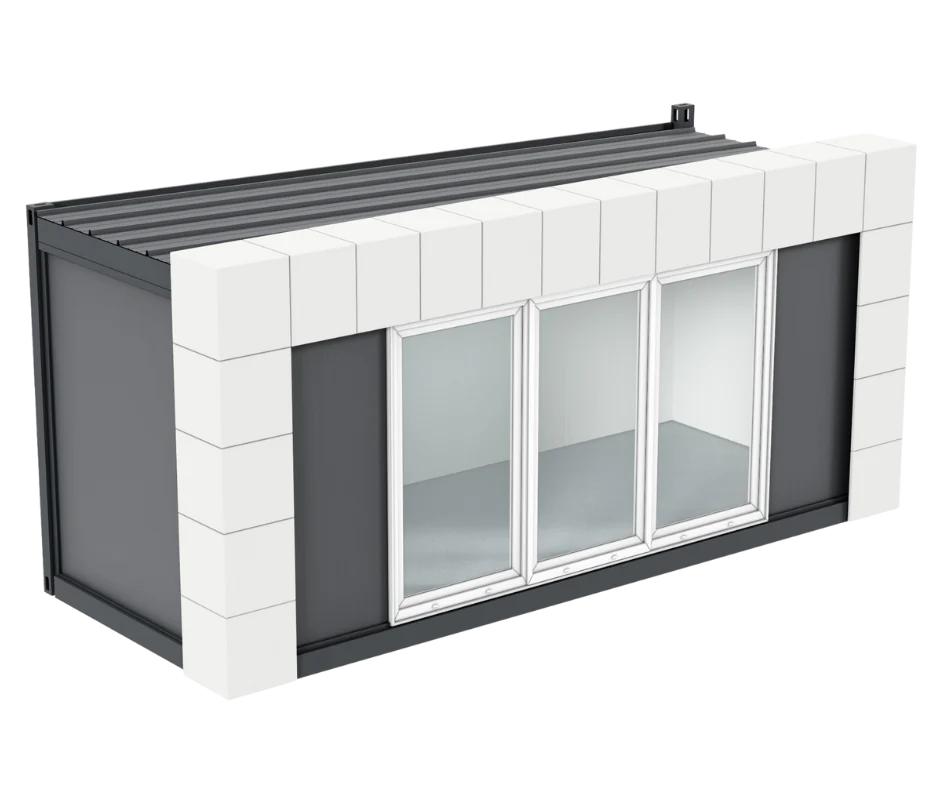
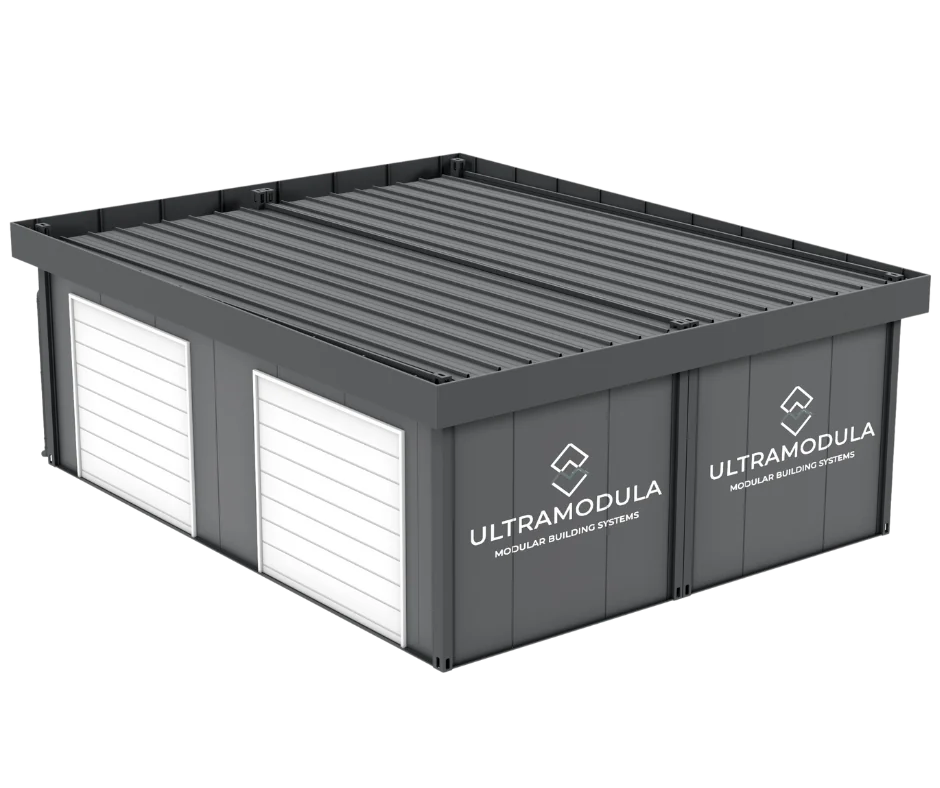
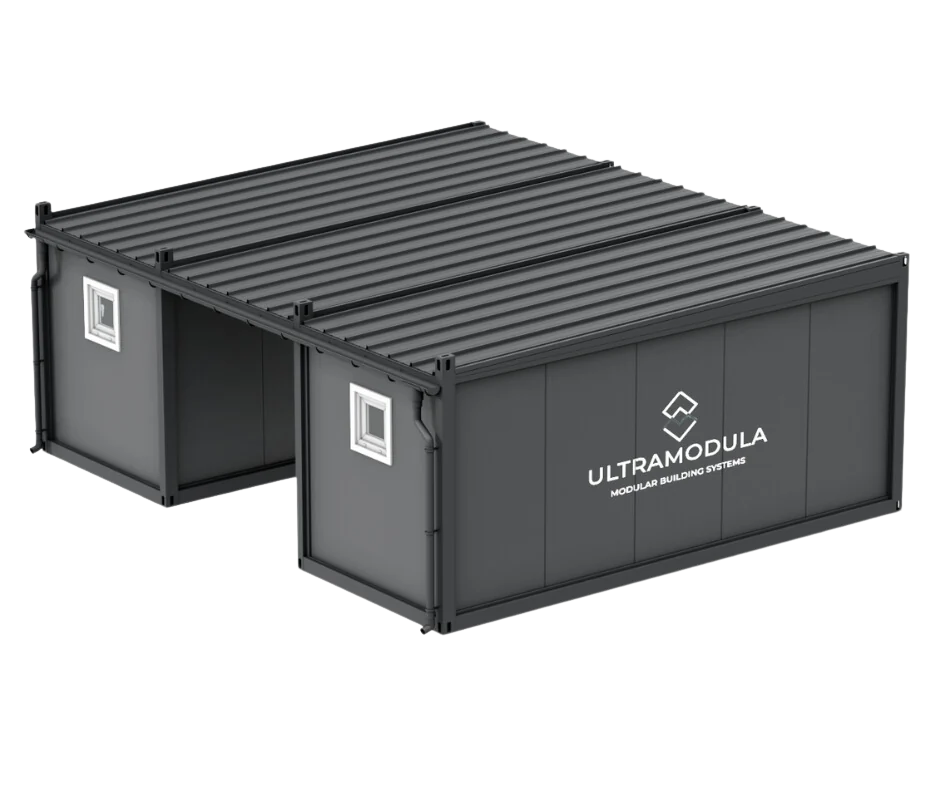

Container laboratory Manufacturer Ultramodula
Shipping containers , originally designed as logistics solutions for freight transport, are gaining increasing popularity in innovative applications. One of the most interesting areas of their adaptation is the use of containers as mobile research and scientific laboratories . Thanks to their flexibility, durability, and modular design , containers offer limitless possibilities for science and research in various fields.
Advantages of containers as laboratories
Mobility and flexibility
The containers can be easily transported by land, sea or air, making them ideal for fieldwork, scientific expeditions or projects carried out in remote locations. The ability to quickly relocate the laboratory allows scientists to dynamically adapt to research needs.
Strength and resistance
The containers are made of durable materials that are resistant to harsh weather conditions, which means they can be used in extreme environments such as the Arctic, deserts or tropical areas.
Modularity and personalization
Standard container dimensions (e.g. 20- and 40-foot) allow for easy modification and adaptation to the needs of a specific project. The interiors can be equipped with specialist laboratory equipment, air conditioning systems, solar panels or even autonomous power sources.
Low cost and fast execution
Compared to the construction of traditional laboratories, container adaptation it is much cheaper and faster, which is especially important in the case of urgent research projects or limited budgets.
Examples of container applications in science
Environmental and ecosystem research
Containers are an ideal tool for scientists studying the natural environment. line boring service laboratories can be equipped to analyze soil, water, and air samples, allowing research to be conducted in hard-to-reach places. In areas affected by climate change, containers can serve as monitoring stations.
Biological and biotechnological experiments
Containers transformed into laboratories can be used for microbial research, genetic testing or even plant cultivation in controlled conditions. Thanks to modularity, it is possible to create a sterile environment for experiments requiring special precision.
Research in extreme conditions
Container laboratories are used in research in extreme conditions, such as glacier research, desert exploration, or ocean monitoring. Thanks to thermal insulation and modern technologies, such as life support systems, research can be conducted even in places with extreme temperatures.
Testing technologies and devices
Containers can act as test beds for new technologies, such as renewable energy systems, advanced materials, and medical devices. Mobile labs are particularly useful for prototypes that require testing in a variety of environments.
Innovative technical solutions
Laboratory containers can be equipped with a number of modern technologies:
• Autonomous power supply: solar panels, wind turbines or lithium-ion batteries allow work in places without access to the power grid.
• Air conditioning and air filtration systems: essential for maintaining stable working conditions, especially in biological and chemical research.
• Advanced telecommunications: satellite communication systems enable real-time data transmission from anywhere in the world.
• Remote control and monitoring: thanks to integration with the Internet of Things (IoT), containers can be monitored and controlled remotely, which increases their functionality.
The Future of Containers in Science
The demand for mobile and flexible research spaces will grow with the development of interdisciplinary research and scientific expeditions. Containers can become not only laboratories, but also places for conducting educational activities, workshops or crisis management centers.
In an era of growing challenges such as climate change, space exploration and research into new technologies, containers offer a solution that combines mobility, innovation and affordability. Using their potential could revolutionize the way scientific research is conducted worldwide.