
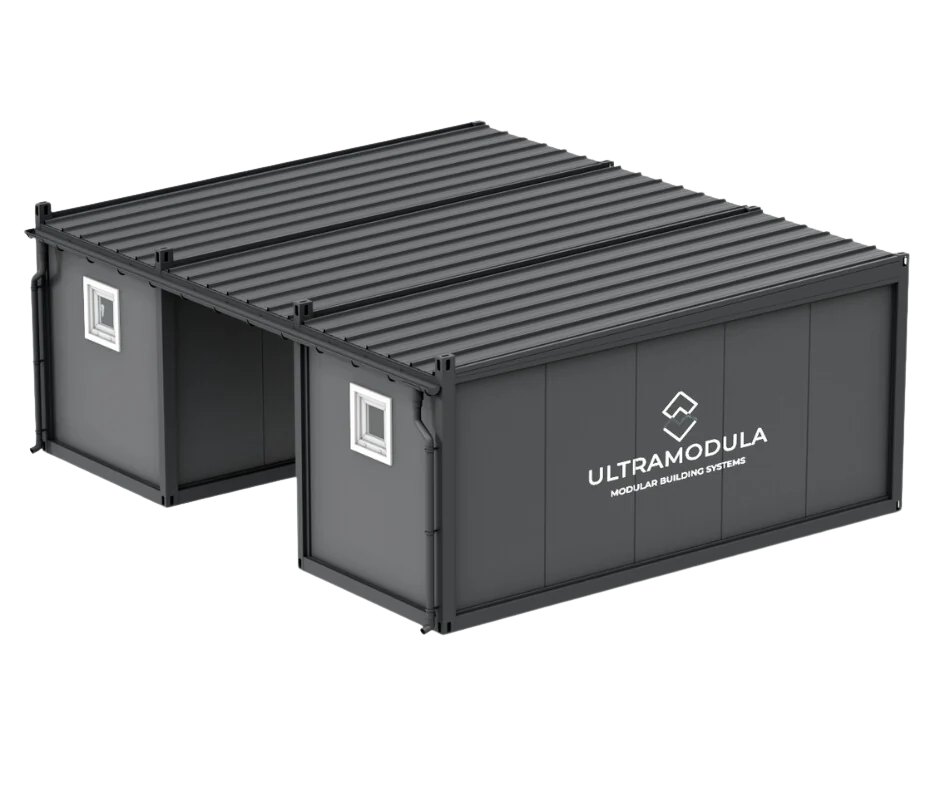

Mobile scientific and research laboratories based on containers
Initially conceived as simple structures, designed for specific purposes: transport and storage, containers have evolved significantly since their inception. Today, containers are no longer just a symbol of global logistics, but have also revolutionized numerous fields of the economy and even science. In response to the growing need for mobility and flexibility, an innovative solution has emerged that has transformed the approach to scientific research: mobile laboratories based on containers.
What are mobile research laboratories?
These are innovative solutions that enable advanced scientific research to be conducted in various areas, regardless of location. Unlike traditional labs, which are usually fixed structures located in one place, mobile labs are designed to be easily portable and flexible. They have a wide range of applications, they are especially useful in emergency situations, such as epidemics, where rapid diagnosis and analysis are crucial for effective intervention. In addition, they are used in environmental research, field research, exploration of natural resources, as well as in various research projects, most often in nature, requiring mobility and access to remote, uninhabited areas. The most common applications include:
- air quality research in remote areas and climate change monitoring;
- geological surveys, e.g. during large construction investments - analysis of rock and soil samples on site, which allows for quick decision-making in the field;
- life-saving research: in the event of an epidemic outbreak, mobile laboratories allow for quick diagnosis and identification of the pathogen, which is extremely important in preventing the spread of the disease;
- education: thanks to the mobile laboratory, even in small educational institutions, students can be provided with access to studio chemical, biological or physical without the need for a costly investment in expansion building school.
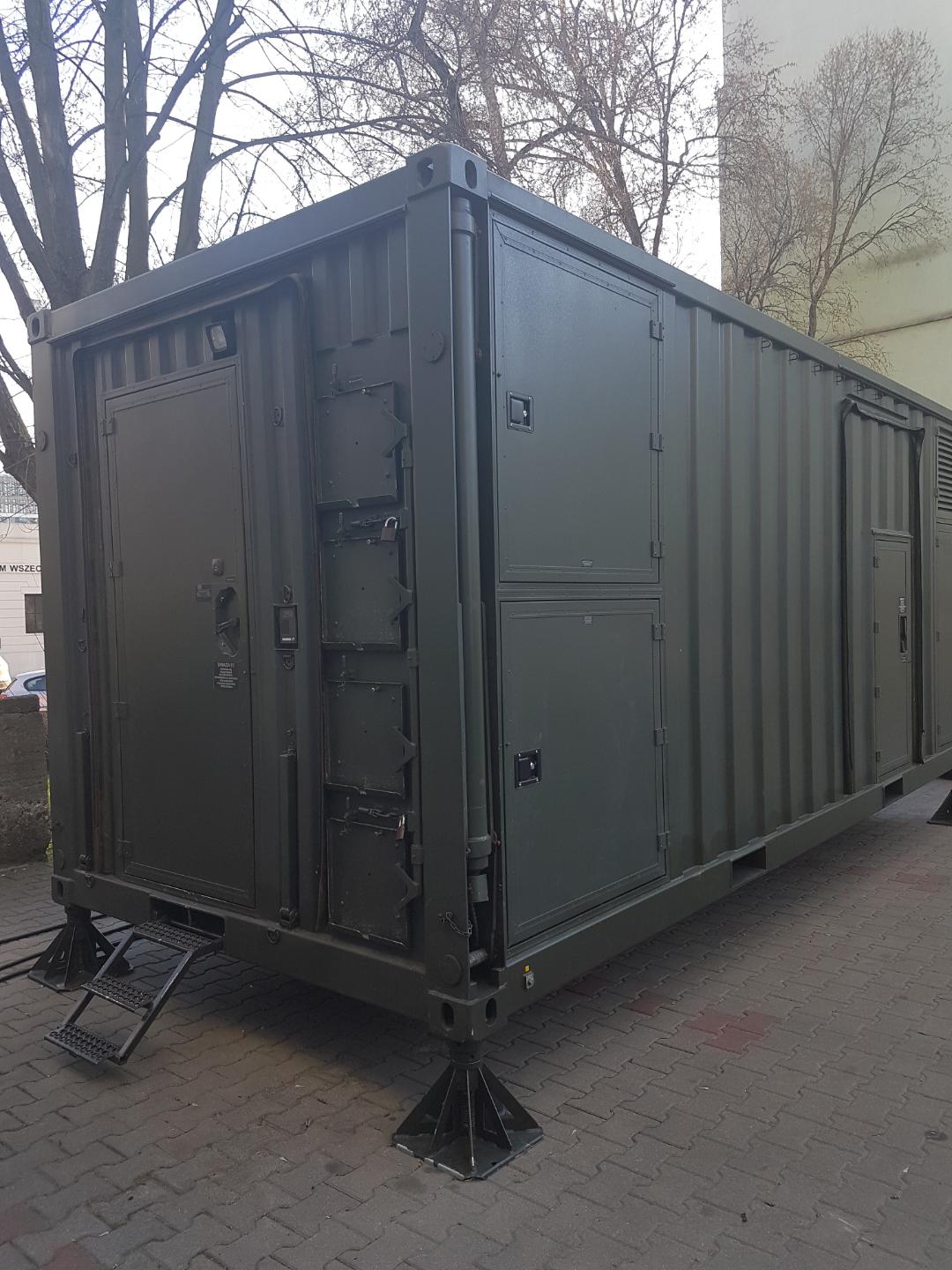
Mobile container laboratory
What makes containers work well as mobile laboratories?
The idea of creating mobile scientific laboratories based on containers perfectly combined the functionality of traditional laboratories with the mobility and flexibility provided by container facilities. This solution is ideal for projects that require quick response and intervention.
Ease of transport in the first place
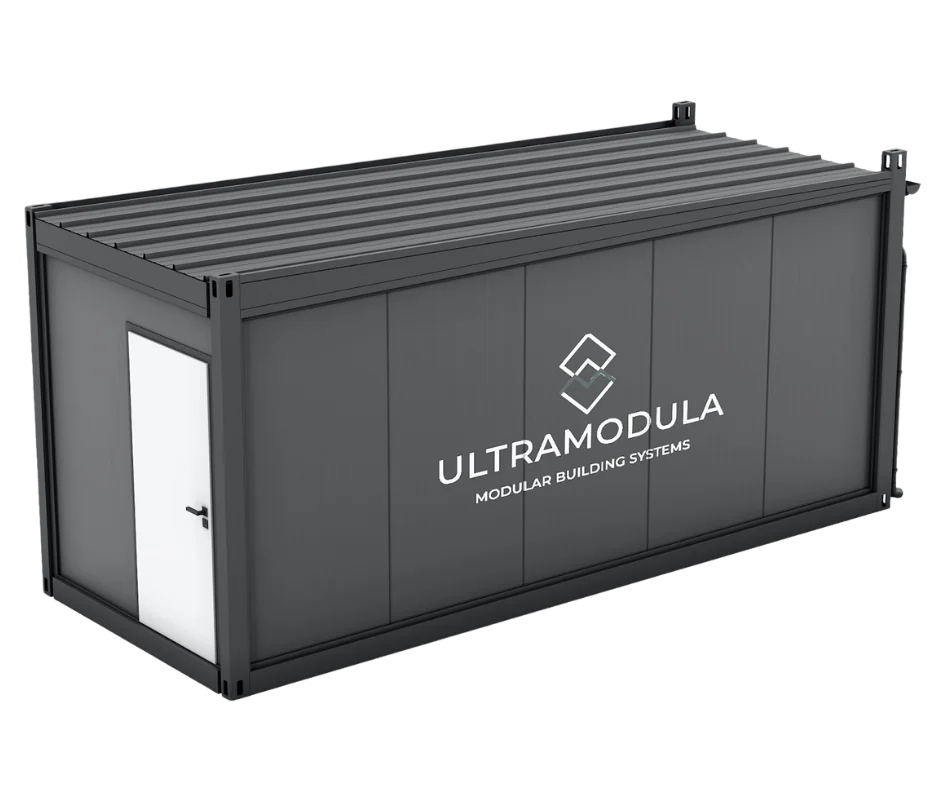
The fundamental premise of mobile research laboratories is their mobility, meaning the ability to be easily moved from one location to another. For this reason, a key feature that a building designed for such operations must possess is ease of transport. And what better solution than containers, which are derived from this very transport method? Transporting a container building is quick and, importantly, doesn't require highly specialized equipment – a truck with a crane truck is sufficient. This is especially important when the laboratory is to be built in a location where road infrastructure is poor and deliveries are difficult.
Express assembly time…
Time is often incredibly precious in the world of scientific research, especially during sudden events or emergencies such as epidemics, natural disasters, or research under extreme conditions. In the case of a container building , the entire laboratory assembly process takes only a moment. Such structures are erected in the designated location using a crane or HDS (from the truck that delivered them), literally taking a few minutes. Then, all that's left is to connect the electricity and water.
The situation might be somewhat different when a temporary laboratory consisting of several or a dozen modules is to be built, for example, for the duration of a year-long climate study of a given area. Connecting the containers takes a bit more time and requires specialized skills, so it's best to leave this task to an experienced manufacturer who will oversee the entire process of assembly, stacking, and connecting the containers. Nevertheless, it will take a few days, not years as in the case of traditional construction.
... and dismantling
In reality, containers don't need to be dismantled. However, after their useful life, storing them until the next use is simple and economical. Interestingly, they can be stacked, saving space. This is only possible with proper construction. Reputable manufacturers use welded frames made of 4 mm thick cold-formed sections, and to ensure the pavilion's overall strength, the columns bolted to the upper and lower frames are made of solid sections (preferably cold-formed, also 4 mm thick).
Modularity
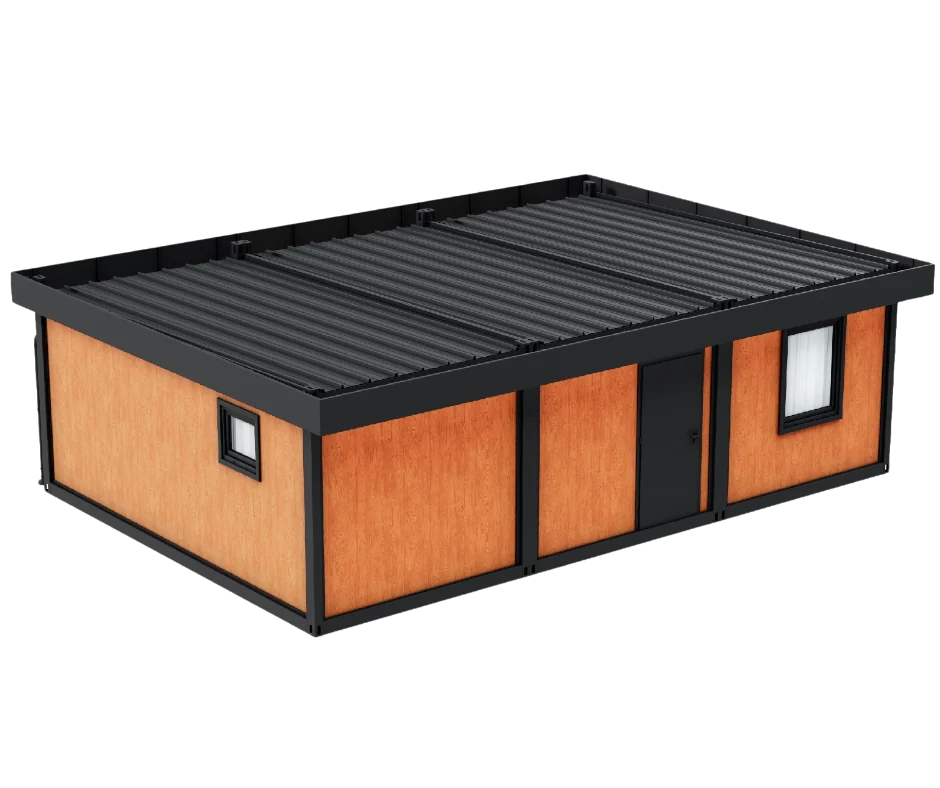
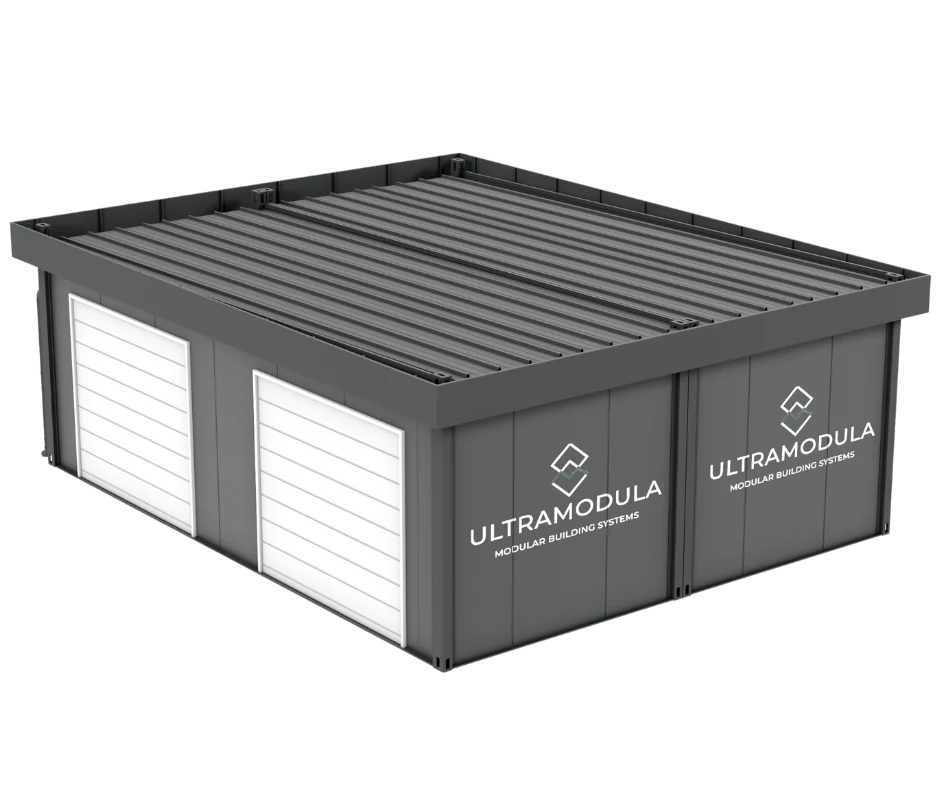
Building with containers is somewhat similar to building with blocks, thanks to their uniform dimensions. The carefully chosen proportions of individual objects make it possible to connect them on both the short and long sides. This allows for the creation of diverse designs tailored to the needs and expectations of a given situation. For mobile laboratories located in hard-to-reach locations where space is limited, containers offer another advantage: they can be connected on multiple levels. However, this option is only possible with products with a suitable structure. This structure must be durable to maintain the stability of the final building. It's also important to remember that one of the most important factors is the weight of the structure. To ensure the stability of the facility, it's crucial to evenly distribute the weight within the containers.
Thanks to the modularity of containers, research institutions can have just a few facilities, but use them to create many different laboratories depending on what specific research requires.
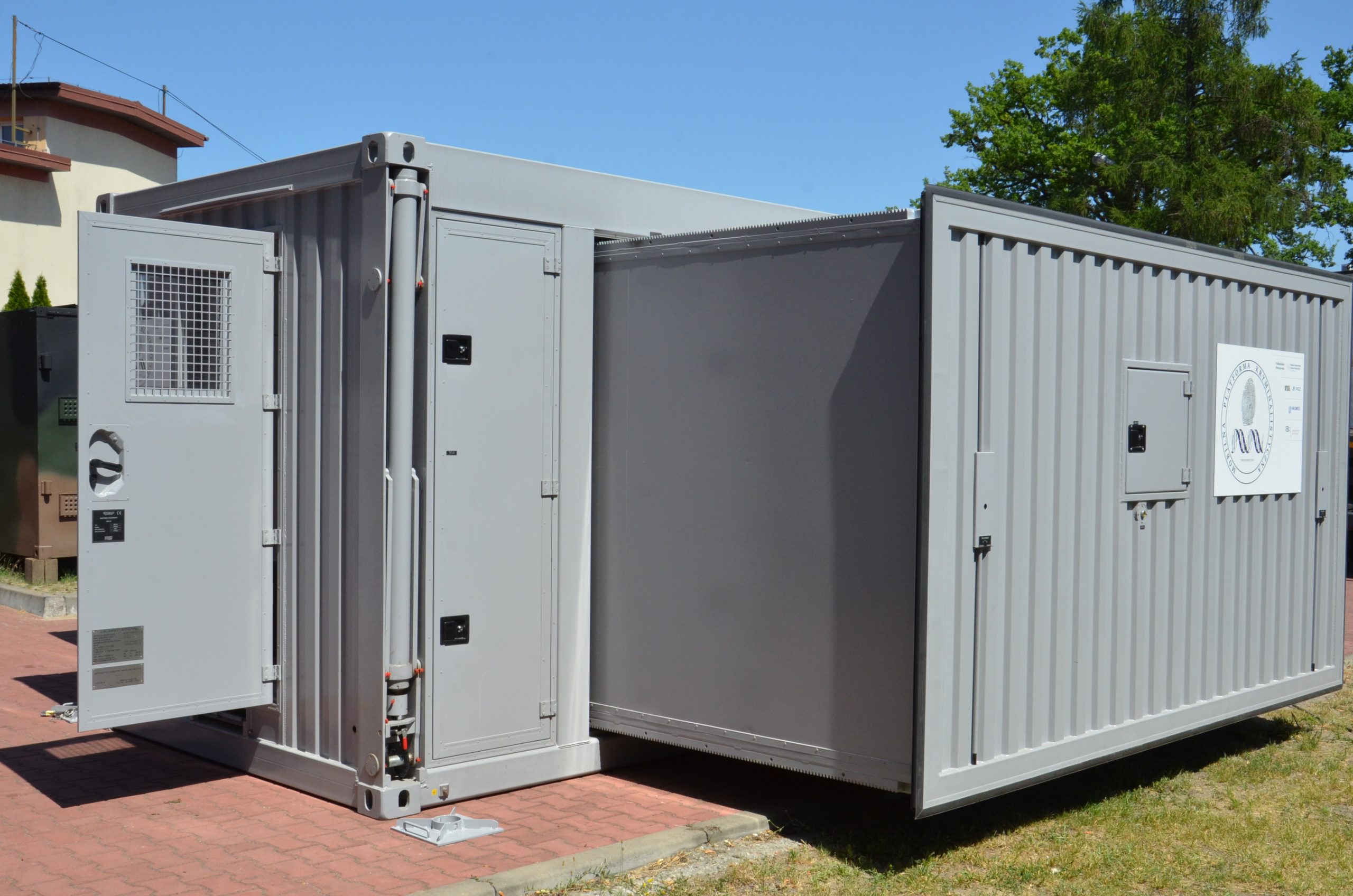
Mobile Forensic Platform
Container-based solutions are economical solutions
As is common knowledge, scientific research is expensive, and every institution conducting it seeks economical solutions wherever possible. Using containers to build laboratories is precisely such a solution.
For starters, the cost of purchasing the container itself is significantly lower than building a traditional laboratory from scratch. Furthermore, containers are readily available on the market, allowing for quick delivery to the site, shortening the entire construction process, and as the saying goes, "time is money." Another advantage is that the containers are manufactured entirely in the factory as ready-made components for on-site assembly, further reducing labor costs.
The cost-effectiveness of container-based mobile laboratories also stems from the aforementioned ease of expansion and modification. In traditional construction, building modifications can be complex and expensive, whereas in the case of container laboratories, adding additional modules is simple, quick, and inexpensive. This flexibility allows the laboratory to adapt to changing research requirements and scale the infrastructure as needed.
All these factors make the final price of mobile research laboratories based on containers much more attractive compared to traditional solutions. Savings in construction costs, shorter project implementation time and ease of expansion and modification make mobile laboratories from containers an efficient and economically viable tool for modern scientific research.
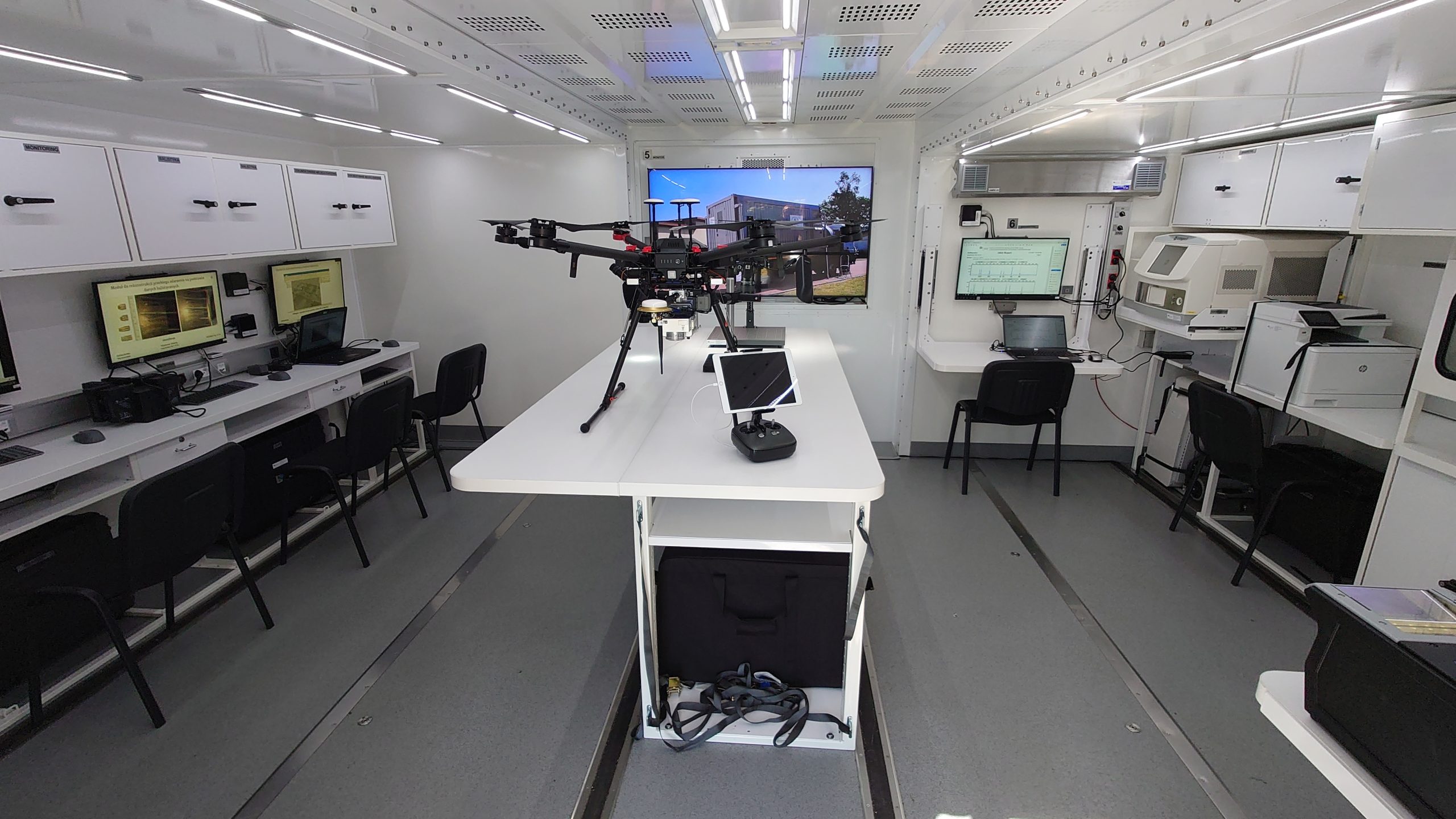
Mobile Forensic Platform
Technical requirements for mobile science laboratories based on containers
Although containers have many advantages, one should not forget about the important issue of technical requirements for mobile laboratories. Such facilities must meet a number of requirements so that the research carried out in them can be conducted not only comfortably, but above all in conditions that guarantee reliable results. Of course, the exact specifications vary depending on the type of research they do, but there are a few base points that every lab needs to come up with.
Stability and strength of the structure
Mobile science laboratories must be resistant to harsh weather conditions, such as wind, rain, snow or heat, and to vibrations resulting from transport. Appropriate construction and materials used for the production of containers, the original assumption of which was to survive the harsh conditions of sea transport unscathed, easily guarantee the durability of the laboratory in various terrain conditions.
Thermal and sound insulation
Whether in extreme temperatures (e.g., in equatorial climate zones) or near noise sources (e.g., on a construction site during soil testing), laboratories should be adequately insulated to provide researchers with comfortable working conditions. Thermal insulation , in turn, ensures a stable temperature inside the laboratory, which is crucial for sample storage and precise measurements.
Electrical Installations
Mobile laboratories require access to a reliable electrical supply, so it's essential to properly plan electrical installations, taking into account all the research equipment and instruments that will be used in the laboratory. In some cases, where access to the power grid may be limited, it's worth considering alternative power sources, such as solar panels or generators. The design of the containers allows for such solutions to be mounted, for example, on the roof of the facility.
Ventilation and air conditioning
In order to maintain appropriate working conditions inside the laboratory, it is necessary to provide an effective ventilation and air-conditioning system. Renowned container manufacturers deliver their facilities equipped with optimally configured installations. This not only guarantees proper air circulation, but also helps to maintain stable humidity and temperature, which can be crucial for some scientific research.
Security
Mobile research laboratories must meet high security standards to protect, among other things, samples and research data. Modular containers can be equipped with advanced access control systems. Choosing the right method is important and depends on individual needs. Professional security locks offered by container manufacturers are a good standard.
Research equipment and specialized devices
Research equipment necessary to conduct scientific research is not an integral equipment of the containers. However, when designing the interior of a facility intended for a laboratory, it is easy to order the appropriate construction that will accommodate all the equipment and properly protect it during transport.

The mobile container laboratory is part of the equipment of one of the sub-units of the Epidemiological Response Center of the Polish Armed Forces.
Knowledge + proven technology = success
It's important to remember that designing and building mobile research laboratories based on containers requires expertise and meticulous consideration of numerous technical aspects. Meeting these requirements is crucial to ensuring the functionality, safety, and efficiency of the laboratories, which in turn will enable researchers to conduct scientific research in remote and hard-to-reach areas. The advantages of containers, such as their durable, rugged construction, mobility, and modularity , make them a good solution for creating modern spaces for scientific research.