
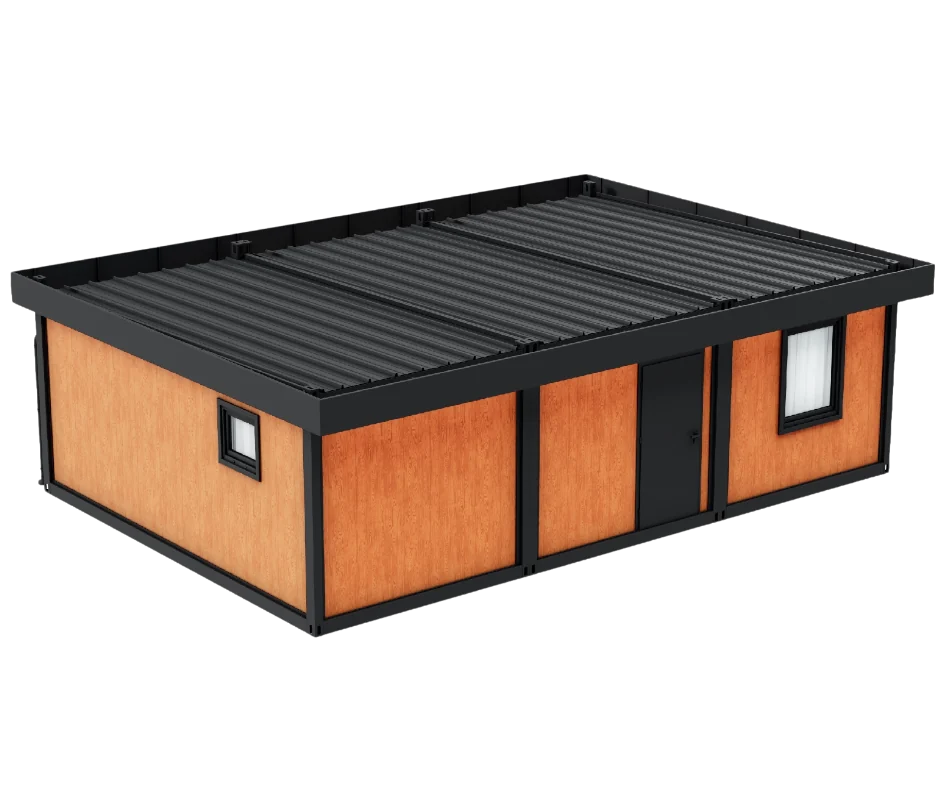
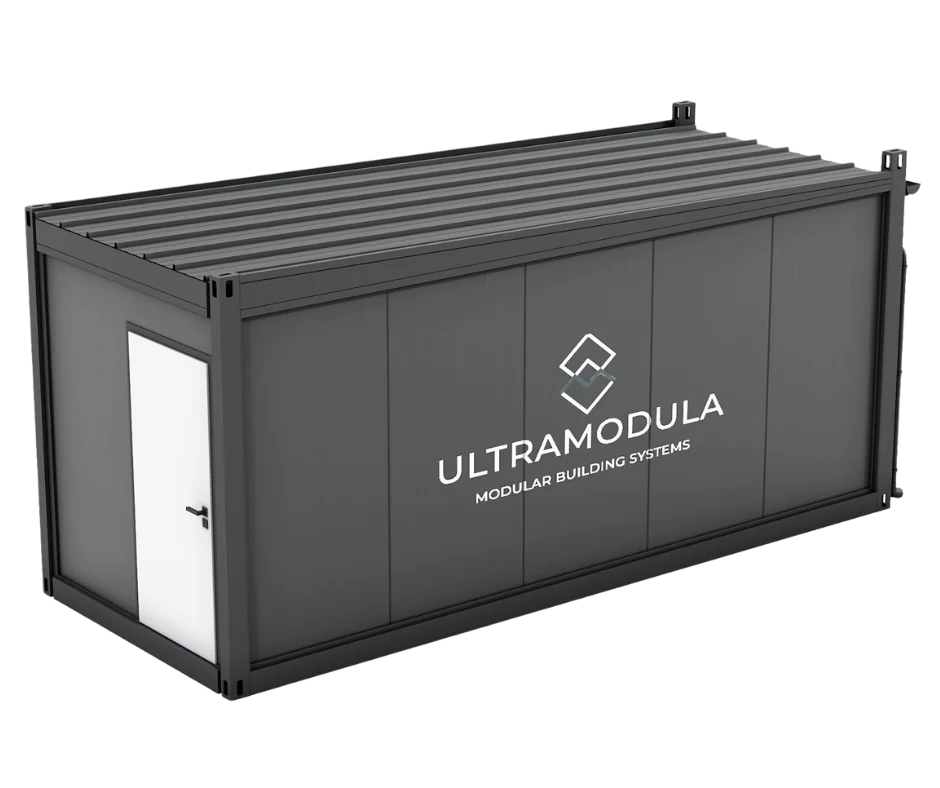
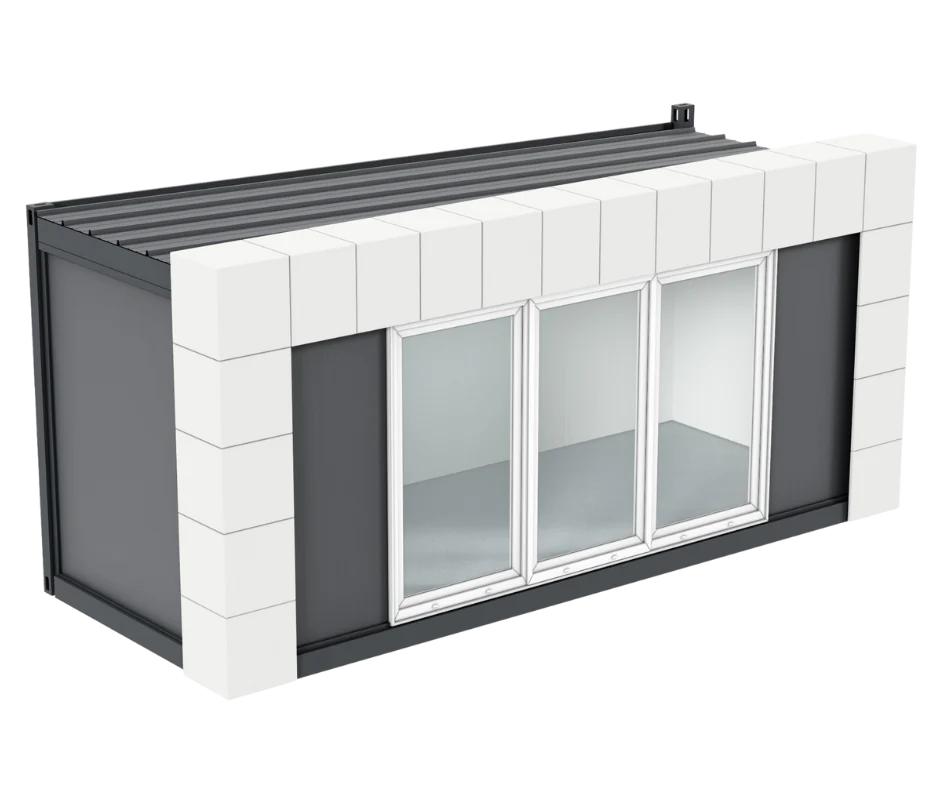
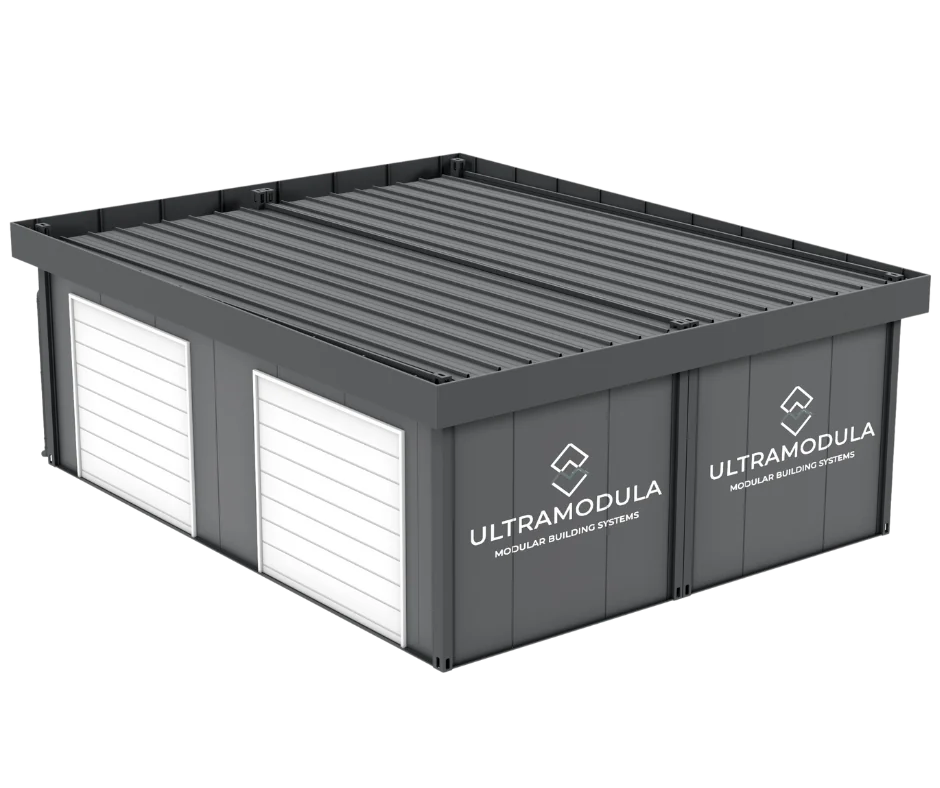
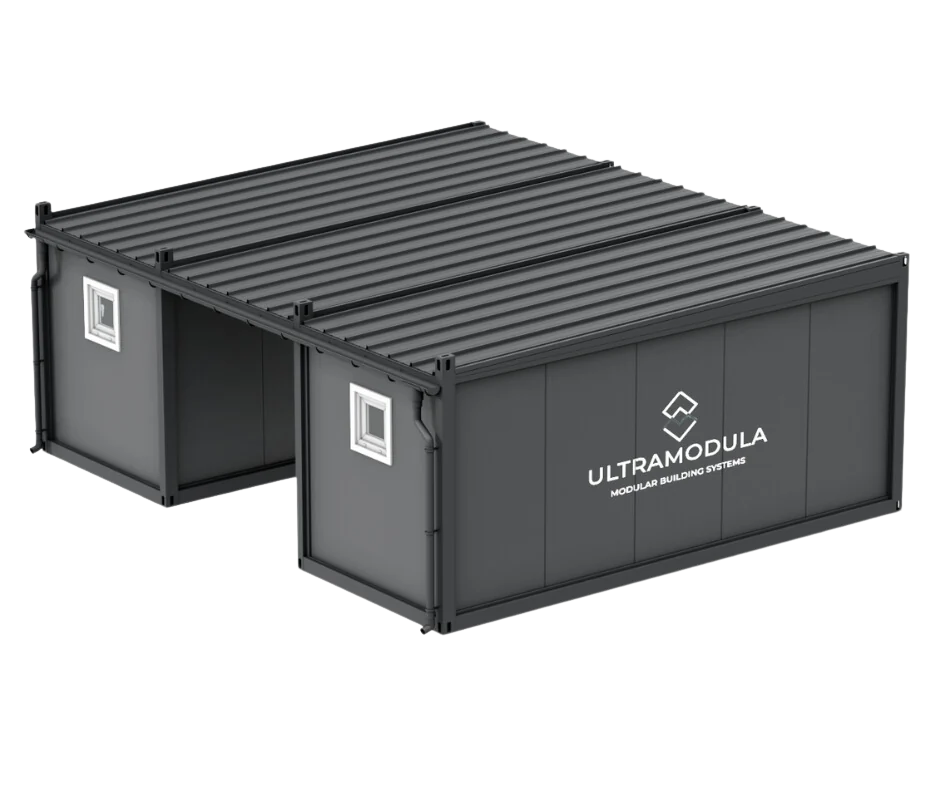
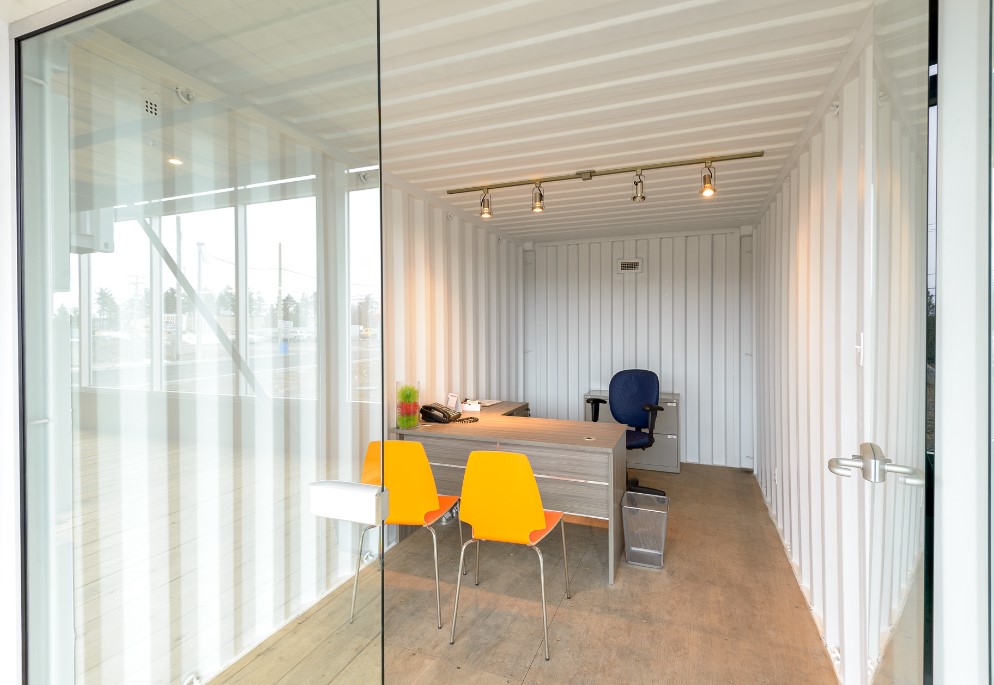
Contemporary office spaces are no longer limited to traditional buildings; container offices represent an innovative approach to flexible workspace organization. And due to their unique design, they pose a unique challenge for interior designers. In this context, a comprehensive yet pragmatic approach to interior design becomes crucial. The role of furniture in functionally organizing space and ensuring an ergonomic work environment cannot be overstated and cannot be overlooked in the design process.
The specificity of a container office
Container buildings, as offices, exhibit certain characteristics different from traditional structures. Differences from traditional offices encompass both architectural and ergonomic aspects, requiring design tailored to the specifics of the container . Architecturally, container offices are characterized by an extremely simple form. Limited spaces require meticulous furniture layout and efficient use of every available square meter. Designers must consider the containers' small dimensions and the somewhat limited possibilities for dividing the space due to the location of windows and doors. This presents a challenge, especially when it comes to ergonomic workstation layout and the designation of all essential office zones, such as quiet work areas, meeting areas, and social facilities.
A significant difference lies not only in the dimensions of individual modules, but also in their construction. The materials used to manufacture containers, such as steel, have a significant impact on, among other things, interior acoustics, which in turn impacts office comfort. Analyzing these aspects is crucial to creating a container office that promotes employee productivity and well-being. Optimal design solutions should include, among other things, the use of appropriate sound-absorbing materials, including in the furniture.
Different zones, different needs
In office space design, whether located in containers or traditional buildings, a key element for functionality is dividing the workspace into zones dedicated to different activities. Due to the somewhat limited space in container offices, this division and the appropriate furnishing of each zone is somewhat more difficult – individual functional spaces often overlap or are closely connected. Each zone requires different furniture and equipment solutions.
Quiet work space
In a zone dedicated to focused work, comfortable and ergonomic furniture is extremely important so that it does not become a distraction for employees. A good solution are height-adjustable desks that allow you to work both in a sitting and standing position. This option not only ensures the highest comfort, but also supports the health of users - the sitting position is the most burdensome for the spine and prolonged sitting has a very negative impact on posture and also causes back pain. It is worth supplementing the desks with sound-absorbing panels, which improve the soundproofing of the entire space, while creating a visually closed zone for an individual employee.
An innovative, functional solution that fits perfectly into the small spaces of container offices are so-called acoustic chairs. These are essentially compact workstations enclosed by upholstered walls on at least three sides. These cubicles are equipped with a worktop, comfortable seating, integrated lighting, and electrical outlets. This solution is ideal for container offices where quiet work areas are used only part of the time, where daily tasks don't require long hours of focused work. They can also be a good addition to an open-plan office, serving as a place for longer phone calls without distracting colleagues.
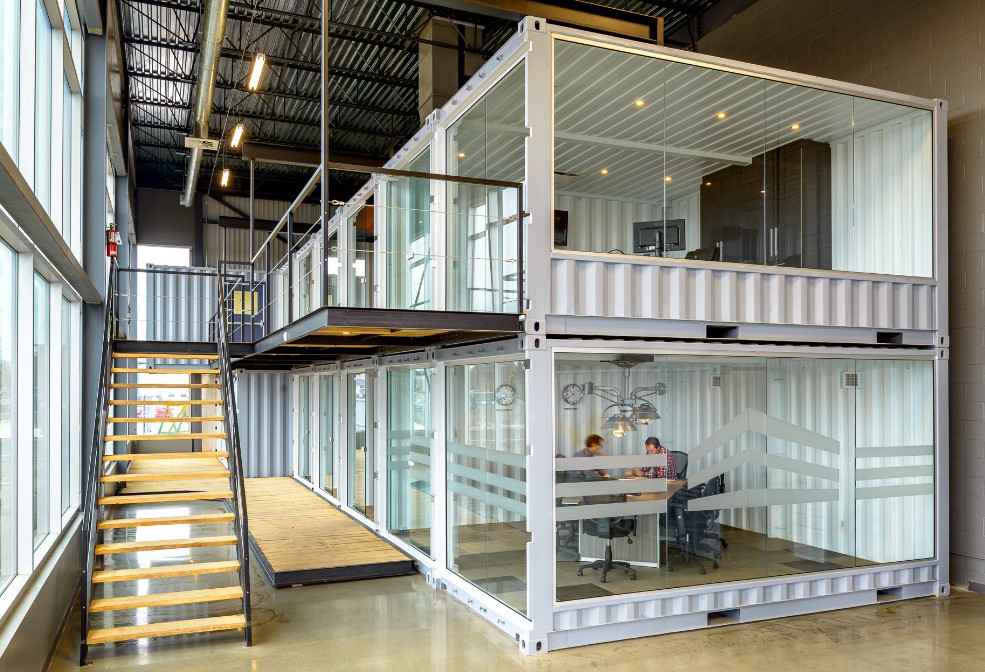
Office containers
Shared workspaces
Small rooms for creative work or open-space spaces where teams can constantly communicate are the most common teamwork zones. In such places, what matters are solutions that support and facilitate cooperation and interaction between employees. On the so-called Workbench desks, i.e. multi-station arrangements of interconnected desks, which not only allow for more workstations to be accommodated in a smaller space, but also facilitate free discussions, are perfect for "open-space" work. People working at one common desk can communicate quickly and efficiently and consult when necessary, without having to get up from their chair.
The choice of chairs is also important - it is best to choose ergonomic office chairs with a light structure, of course on wheels, because it makes it easier for employees to move to the "neighbor" sitting at the desk next to them. It is worth choosing models with a wide range of adjustment options, mechanisms supporting dynamic sitting, and equipped with a headrest, which is important for the health of the spine.
Completely different seats will be useful in rooms for creative work - soft pouffes will work great here (although they take up a lot of valuable space). A less common solution, but more interesting and more tailored to the requirements of container offices, are... special sitting balls, which can not only serve as seats in meeting places, but also as a temporary "chair" at the desk when colleagues need to consult something among themselves.
Erasable whiteboards (ideally mobile ones ) are also important equipment for collaborative workspaces . Handwriting unleashes creativity and supports creative processes, while real-time note-taking and drawing of concepts fosters effective group communication.
Social areas
By law, employers are obligated to provide employees with appropriate working conditions, including by providing designated social facilities. According to the Ministry of Labor and Social Policy's regulation on general occupational health and safety regulations, social facilities include spaces such as dining rooms. However, it's worth remembering that social areas also play a significant role in creating a positive atmosphere, promoting employee relaxation and integration. Choosing the right furniture for social facilities is crucial to creating a comfortable space that truly promotes relaxation.
The kitchen is undoubtedly the most important element of the shared social spaces in any container office . The furniture here should, above all, be comfortable and functional. Ergonomic tables and chairs in the dining area allow employees to comfortably eat their meals, and carefully designed cabinets provide storage for essential equipment. When choosing furniture, it's worth considering easy-to-clean materials, which will make it easier to keep the dining area tidy.
Although, as we know, every square meter of space counts in containers, it's worth considering even a small relaxation area with soft, upholstered furniture in your functional planning, encouraging moments of relaxation. Using comfortable sofas or armchairs, employees can recharge, regenerate, and return to their duties with renewed energy.
Conference and training rooms
If a company opting for a container-built office requires training or conference rooms, they can easily carve them out into a separate module. To ensure this space is comfortable, it's crucial to choose the right equipment: from furniture and technical solutions to small but essential accessories. Choosing the right furniture is crucial, as it significantly impacts user comfort. What should you keep in mind?
- Chairs: when choosing them, we must not forget that user comfort is a priority. The optimal solution are models equipped with adjustable armrests, ergonomically profiled backrests and seats. Additionally, the possibility of stacking (stacking one chair on top of another) is useful, which facilitates storage and organization of space.
- Conference tables. When choosing this element, it is important to take into account both their size and shape to ensure adequate space for all participants. It is worth ensuring that the tables are equipped with electrical sockets and other ports necessary for modern work.
- Cabinets for storing training materials ensure order and easy access to necessary documents and tools.
Conference rooms also require technological solutions such as projectors and video conferencing systems. Traditional options, such as flipcharts and erasable boards, will also be useful.
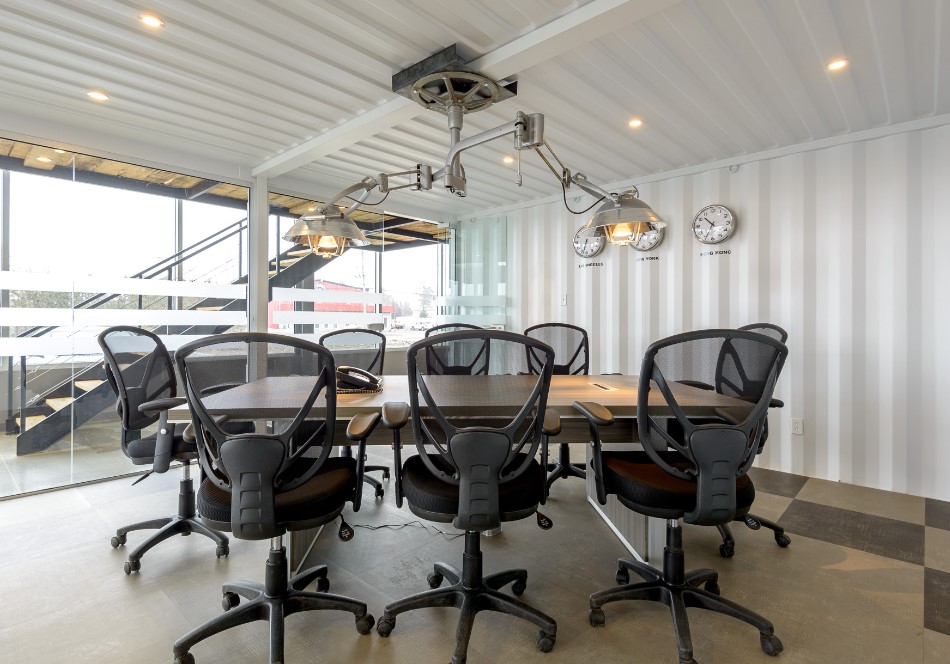
Furniture and equipment for container offices
Effective and impressive: furniture and equipment perfect for container offices
The interiors of container offices can be as effective and aesthetic as traditional offices if they are properly designed and arranged. By selecting furniture and furnishings that take into account the unique challenges of this form of architecture, you can create a space that promotes productivity, comfort and creativity. The priority is, of course, functionality, ergonomics and employee comfort - but it is also worth paying attention to the design of the selected solutions. The aesthetics of the interior influence the motivation of employees. Modern research on the psychology of the work environment confirms that properly designed and aesthetically arranged offices can significantly influence the daily work efficiency and overall team satisfaction.