
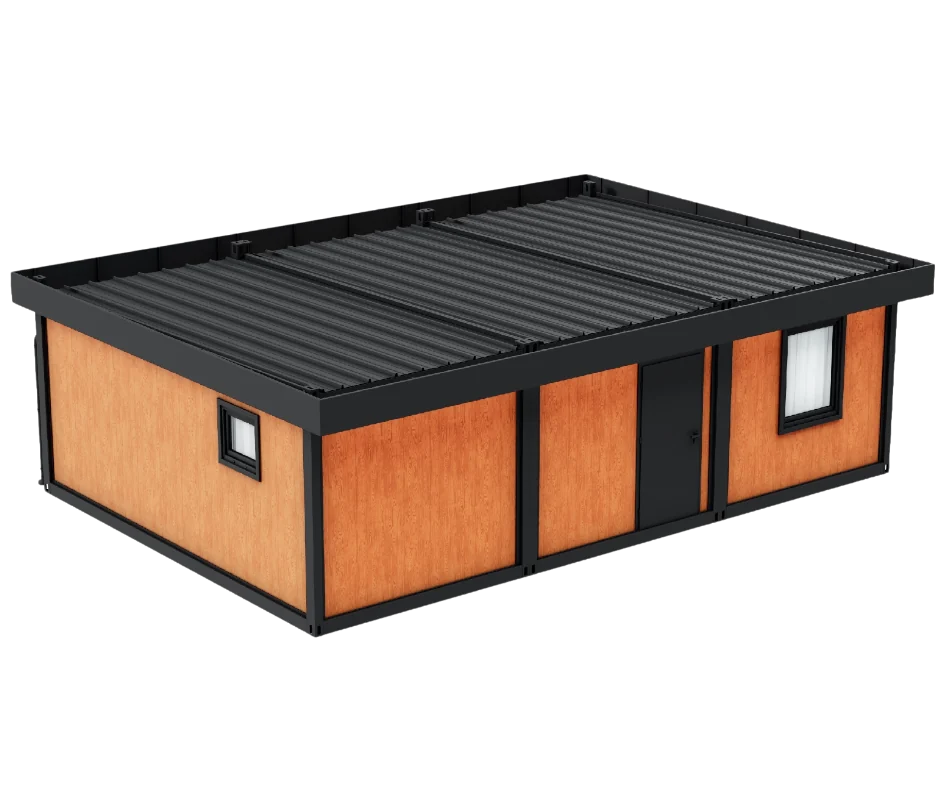
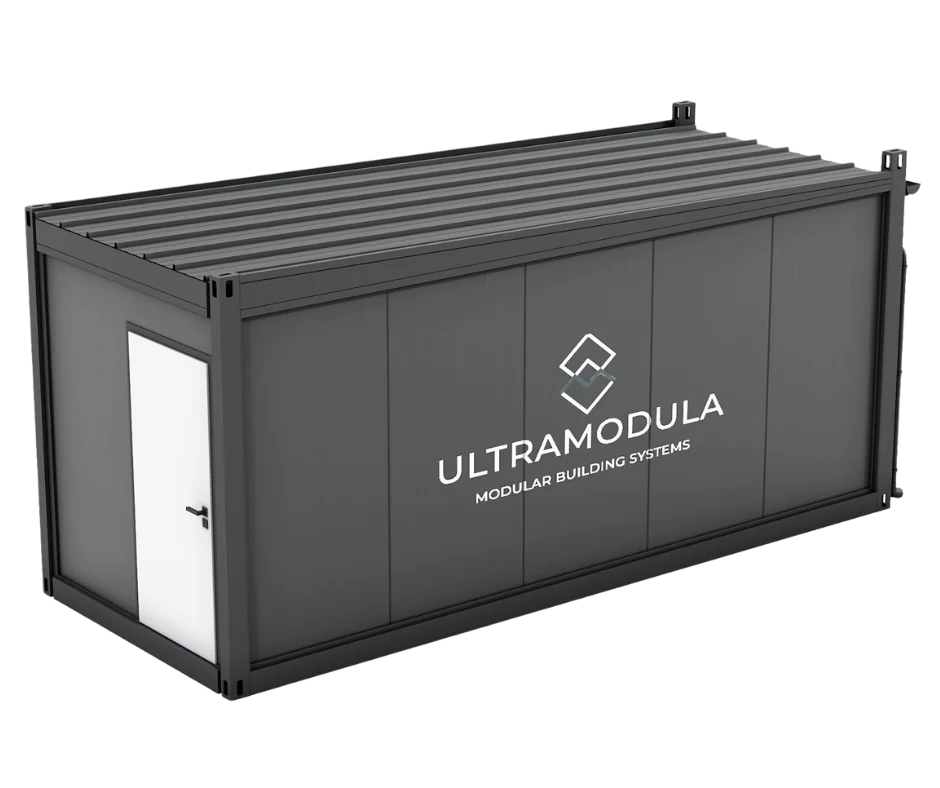
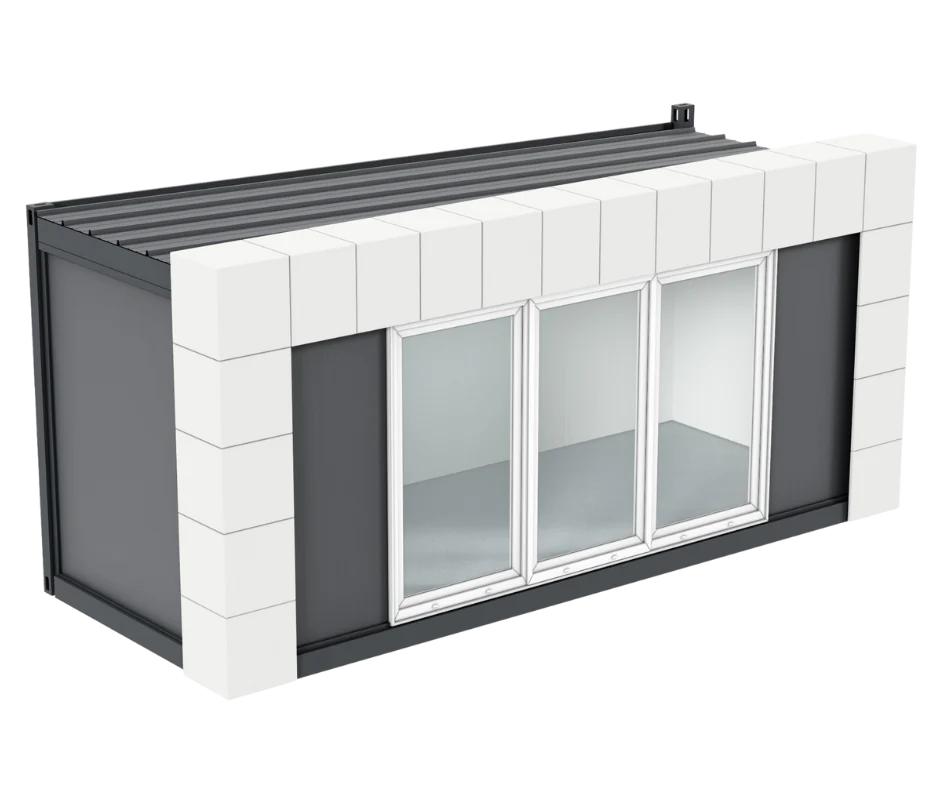
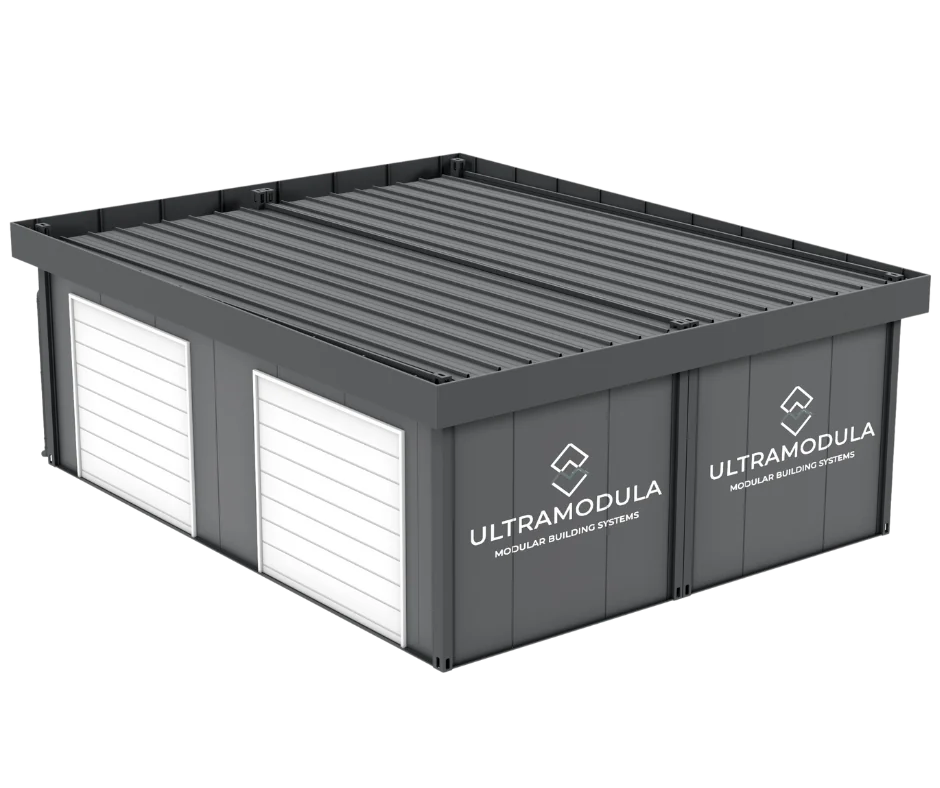
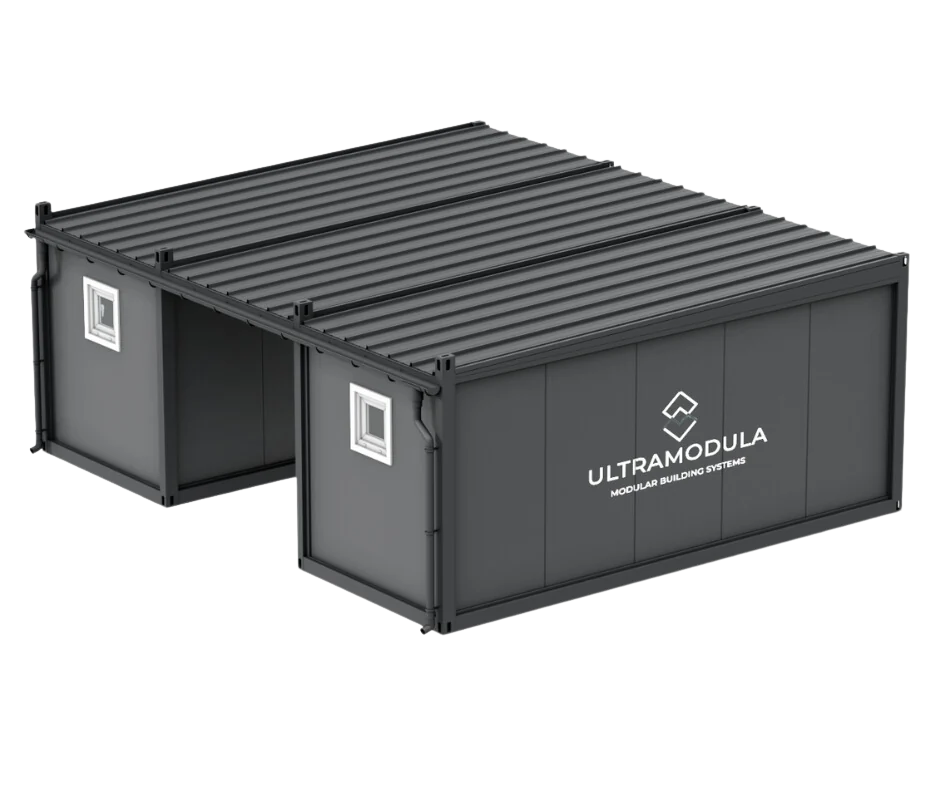
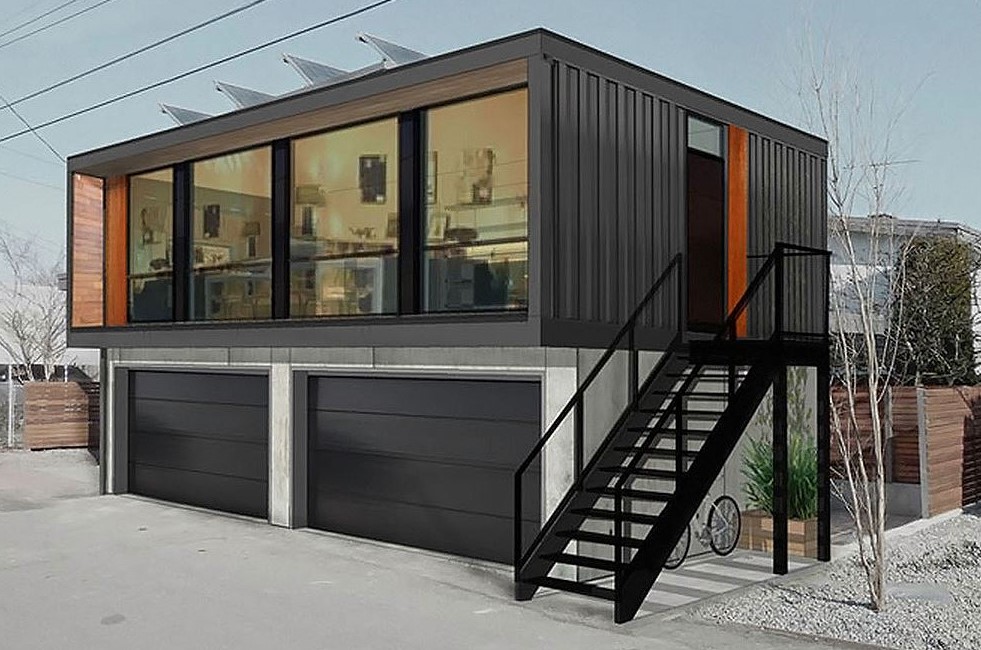
Residential containers can be freely combined and modified
Containers , both used and new, specifically designed for residential purposes, are becoming an increasingly popular alternative to traditional construction. This is no surprise – they are economical, ecological (especially when it comes to reusing shipping containers ), and readily available. So, what standards should residential containers meet to ensure comfortable year-round living?
Residential containers in the light of the law
When discussing residential containers, one often hears the opinion that these structures can be constructed without a building permit. And indeed, in many cases, this is true. However, it's crucial to remember that the container itself doesn't determine the interpretation of the law. A wide range of factors influence the final determination of whether a permit is necessary or whether notification to a designated administrative body is sufficient, including whether the container will be used as a temporary or permanent facility, whether it will be permanently attached to the ground, and its total usable area. When deciding to build a container (whether new or used) as a residence, it's worth consulting with a construction law expert to avoid exposing yourself to significant penalties.
Construction and equipment of residential containers
It's clear that in our climate zone, for a building to be habitable year-round, appropriate construction is essential, with particular emphasis on insulation. In this regard, containers, manufactured specifically for residential purposes, offer a significant advantage. Shipping containers used for transport can be modified to ensure comfort, but this requires specialized knowledge and skills. It's easier and faster to purchase a new building designed for year-round living.
Insulation is key
Every residential container must be perfectly insulated. The standard used by reputable manufacturers is 100 mm thick mineral wool combined with a vapor barrier. The thickness of the insulation layer is crucial: the insulation will only be effective if the appropriate parameters are maintained.
An additional insulating layer is a laminated board, which is fixed from the inside. As standard, it is available in white, which brightens the interior and facilitates the subsequent arrangement of the living space.
For a residential container to meet high standards, it must also have a proper roof structure. It's important to remember that most heat escapes through the roof. As with the wall structure, standard residential containers use mineral wool and foil. Proper insulation is essential for comfortable living. It ensures warmth in winter and prevents excessive heat in spring and summer.
Durable construction
Container construction – whether for transport or other purposes – is based on a steel frame welded from cold-formed sections. For a mixed container to meet high standards, its thickness should be 4 mm. This not only ensures stability but also allows for stacking, an interesting option for residential buildings, as it allows for building a house twice as large on the same, small plot of land. It's also worth considering the corrosion protection of the entire structure.
Functional equipment
Residential containers can be equipped by the manufacturer with all the elements of a conventional apartment. These units, meeting the highest standards for residential containers, are already equipped with all necessary sanitary facilities , including a toilet, shower, and sink. This creates a fully functional bathroom in a separate room. A kitchenette can be separated by installing additional partitions in the bedroom space, creating a comfortable studio apartment.
An important element, apart from the bathroom and kitchen, is of course the heating system. What standards should a residential container meet in this regard? It is best when the manufacturer uses electric heaters and selects their power according to the volume of the room.
Each container must also be equipped with a reliable electrical system and lighting. For economical use, LED lighting is used in the containers . This solution is cost-effective and offers a choice of light colors. In living spaces such as bedrooms, it's better to choose warm tones, while in bathrooms, cool light is a better choice.
Are turnkey finishing and air conditioning standard for residential containers?
When buying a transport container and wanting to adapt it to a residential function, you have to take into account a slightly lower standard. On the other hand, when buying a new facility from a reputable manufacturer, you can expect not only excellent insulation, modern door and window joinery or sanitary and kitchen equipment. You can get a beautiful, turnkey apartment at a price incomparably lower than any other option.
Standard equipment for high-quality residential containers includes pre-installed sockets, lamps, and switches. The floor is covered with high-quality carpeting, and the walls are made of easy-to-clean laminated board. When arranging your container apartment, you can change the layout of windows, partitions, and interior doors. Providers even offer air conditioning and many other amenities.
Check out our: