

New perspectives in use containers Containers offices construction | ultramodula.pl
Containers, long a key element in the transport and logistics industry, are becoming more and more widely used in various fields. They are not only used to transport goods, but also become an integral part of modern construction, residential and commercial solutions. One of the innovative practices of using containers is combining them into structures of various dimensions and configurations, which opens up new possibilities in space design.
Stacking and expanding containers
Traditionally, containers were primarily used in single-layer arrangements, where each container constituted a separate element. However, the growing demand for flexible and modular solutions has led to experiments with stacking and connecting containers vertically and horizontally.
Stacking containers
Stacking containers opens up new possibilities for utilizing available space. By placing one container on top of another, land can be used more efficiently. For example, in residential construction, stacked containers can provide a quick and affordable solution to housing needs in areas with limited building land.
Container offices | Ultramodula
Expansion of containers horizontally
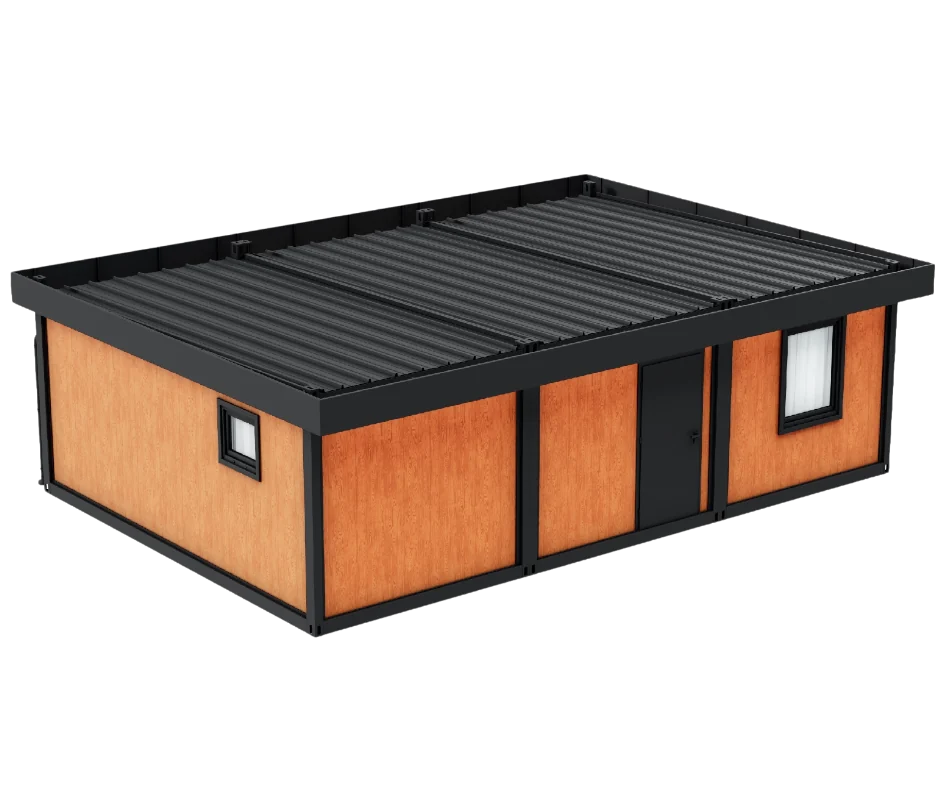
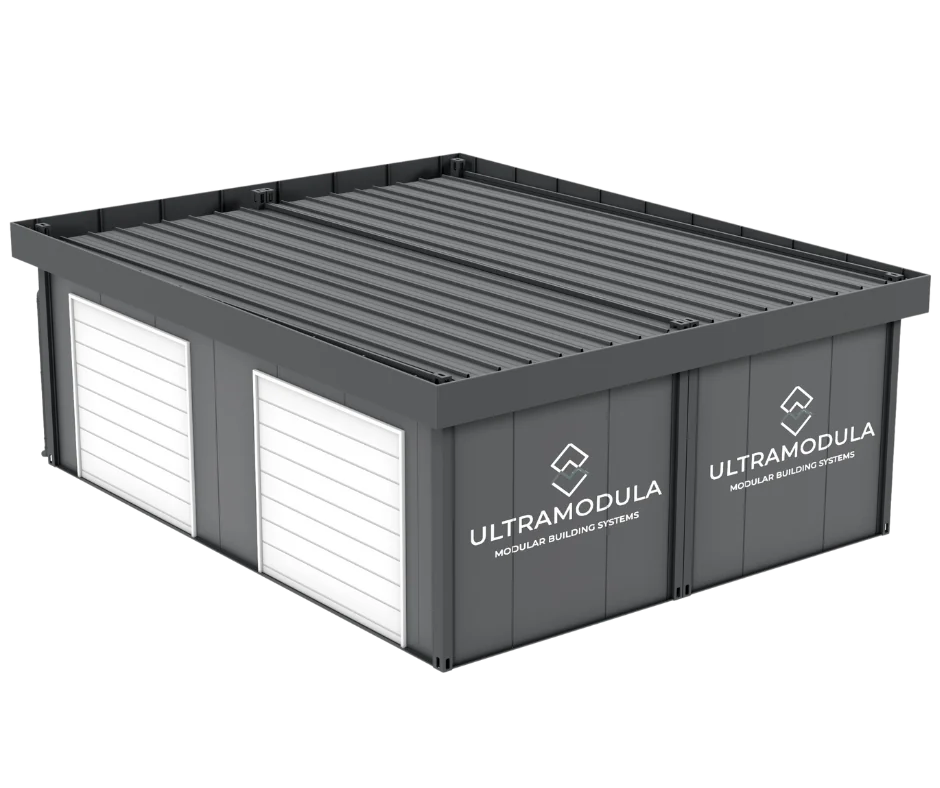
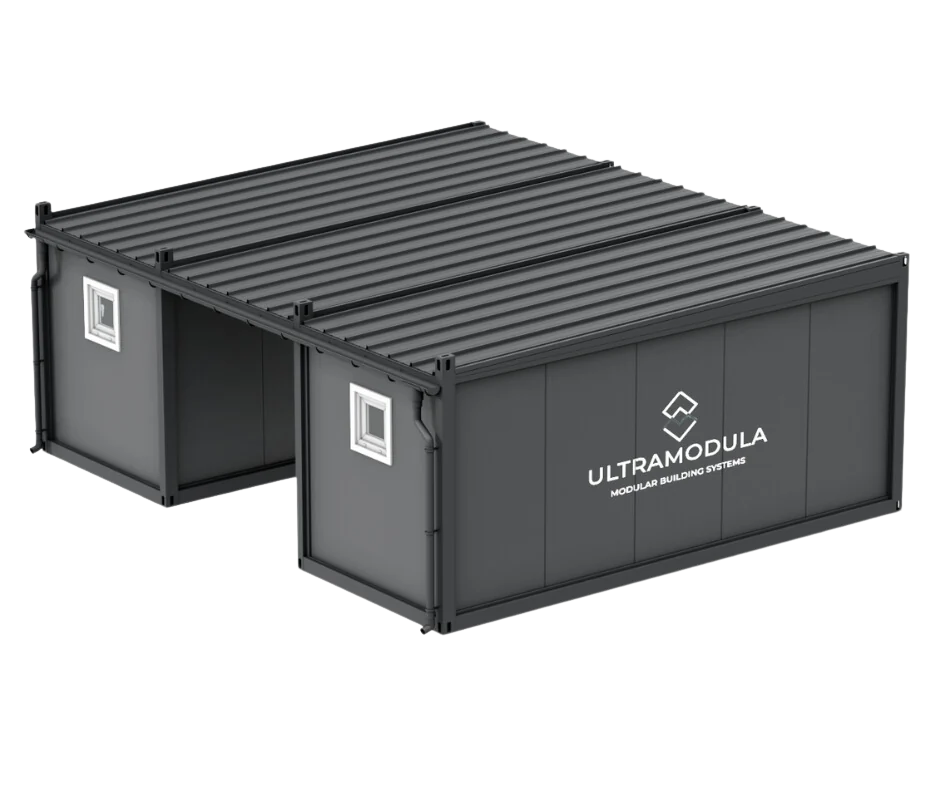
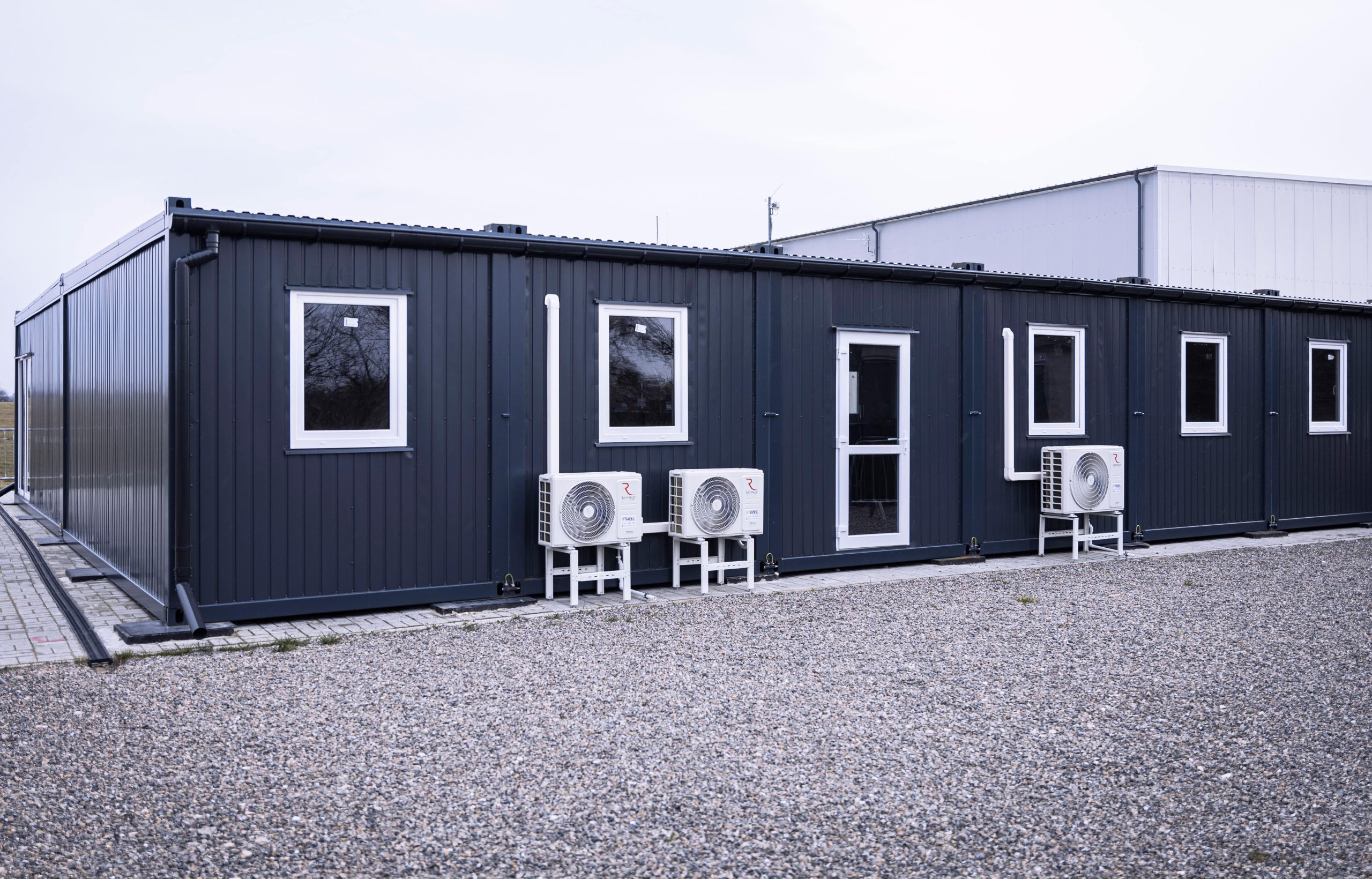
Expanding the containers horizontally allows you to create wide and spacious spaces. By connecting many containers next to each other, you can create larger rooms that can be used as offices, warehouses or commercial spaces. Such solutions are not only quick to build, but also easy to modify and expand in the future.
Configurable
One of the key advantages of using containers is their flexibility in configuration. Containers can be adapted to various needs and requirements, both in terms of functionality and aesthetics.
functionality
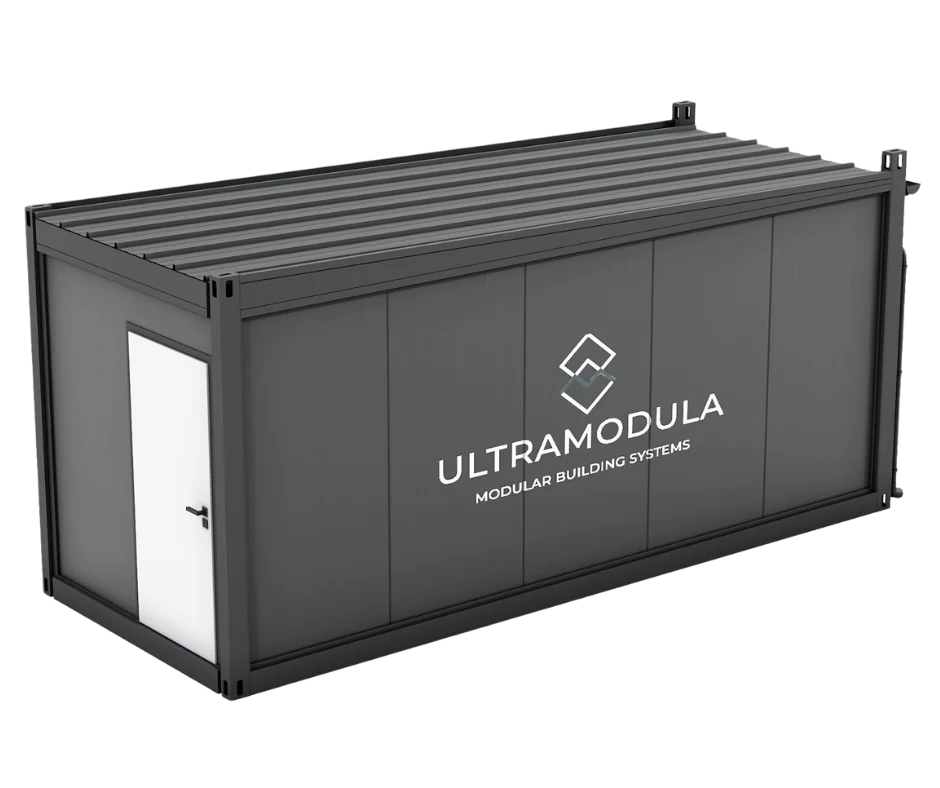
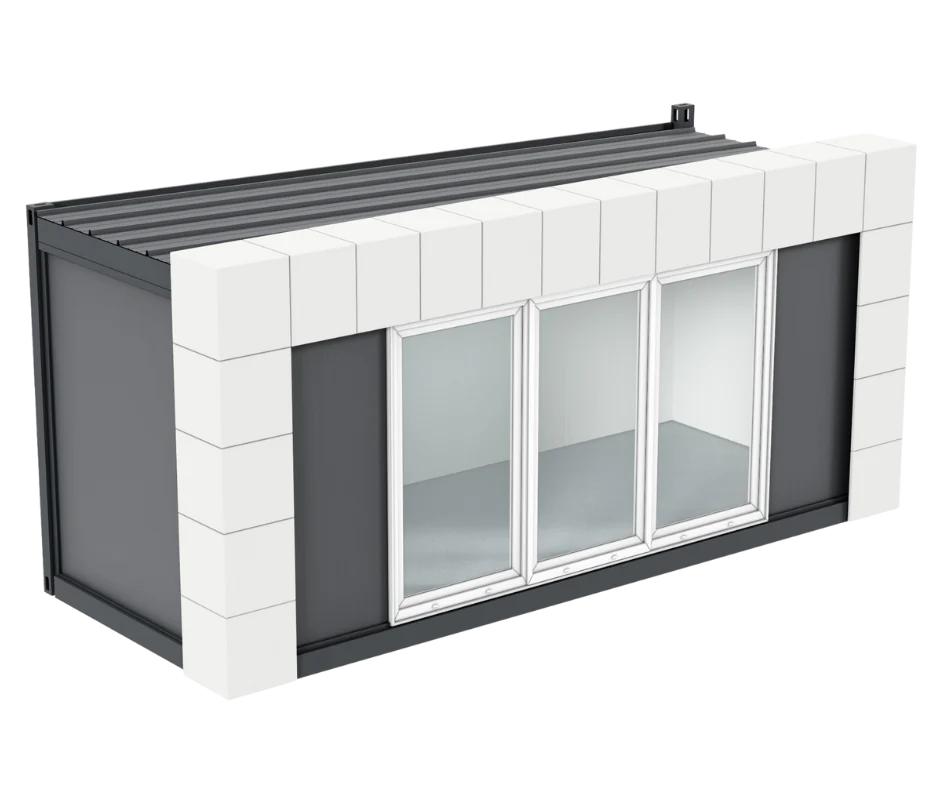
Containers can be customized for various uses , for example, by adding windows, doors, thermal insulation, or ventilation systems. This allows them to serve residential, office, commercial, and even educational purposes.
Aesthetics
Containers can also be customized in terms of appearance to blend in with their surroundings or meet specific aesthetic standards. By using different colors, finishing materials, and decorative elements, you can give them a unique character.
Connecting containers vertically and horizontally and the possibility of their configuration open up new possibilities in space design. Flexibility, speed of construction and relatively low costs make containers an increasingly attractive alternative to traditional construction solutions. As technology and innovation continue to develop, we can expect even wider use of containers in various areas of life.