
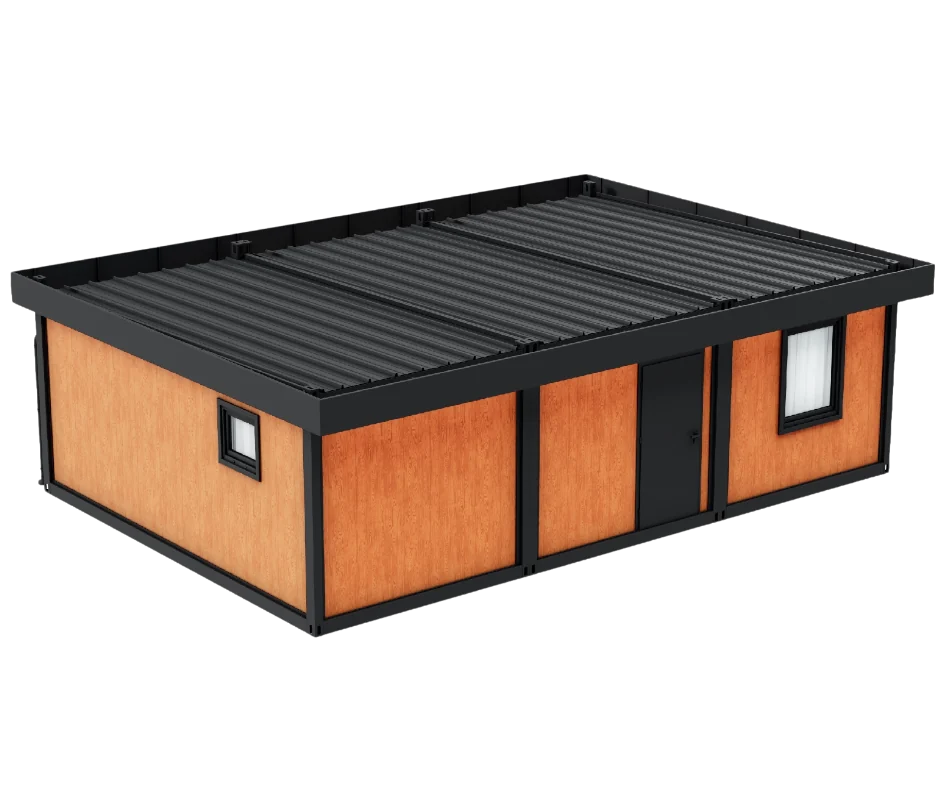
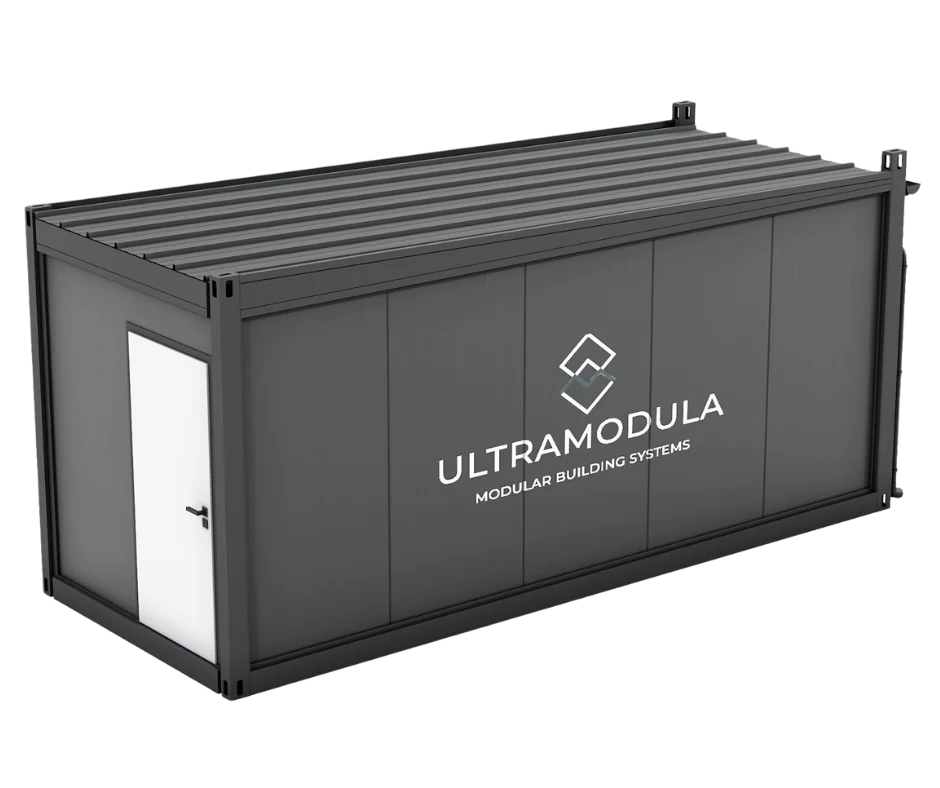
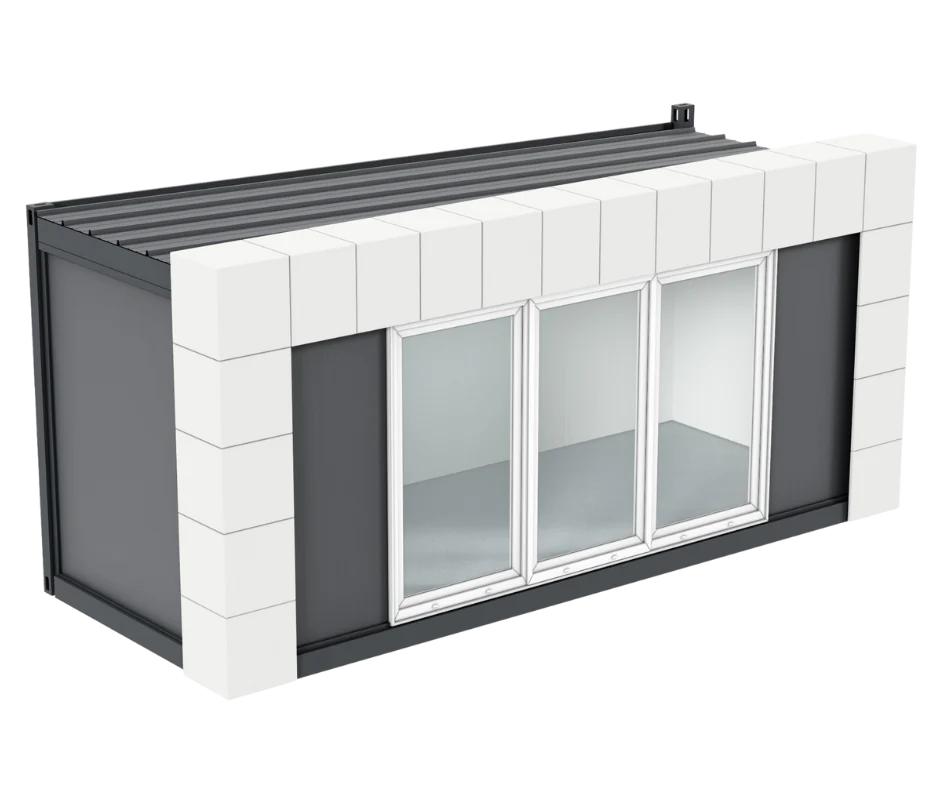
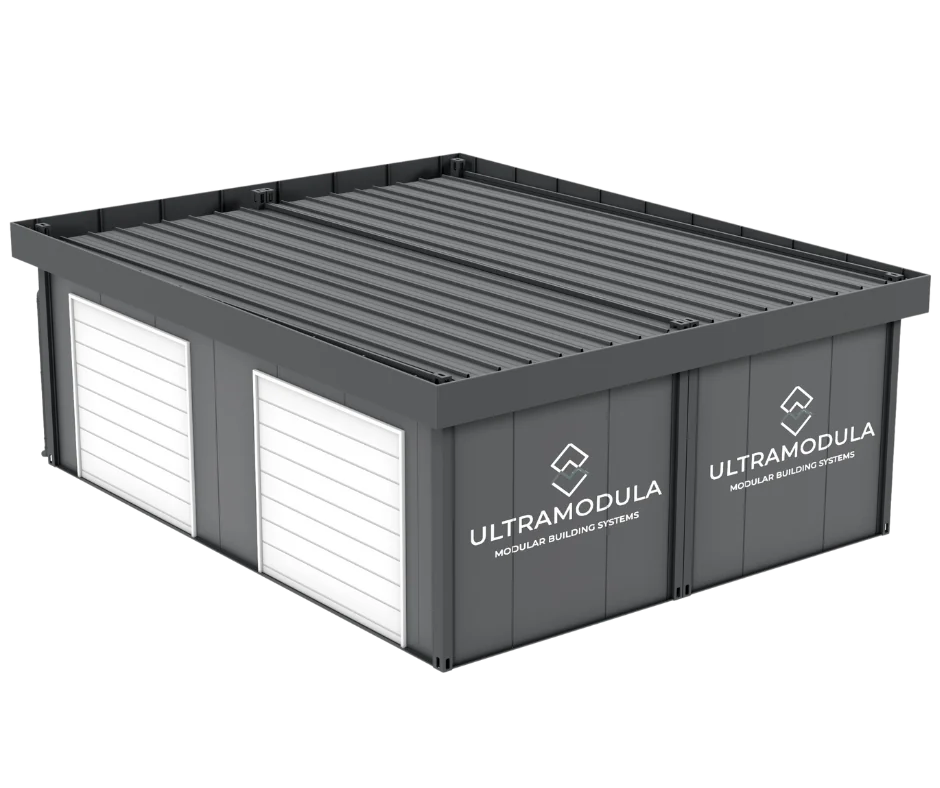
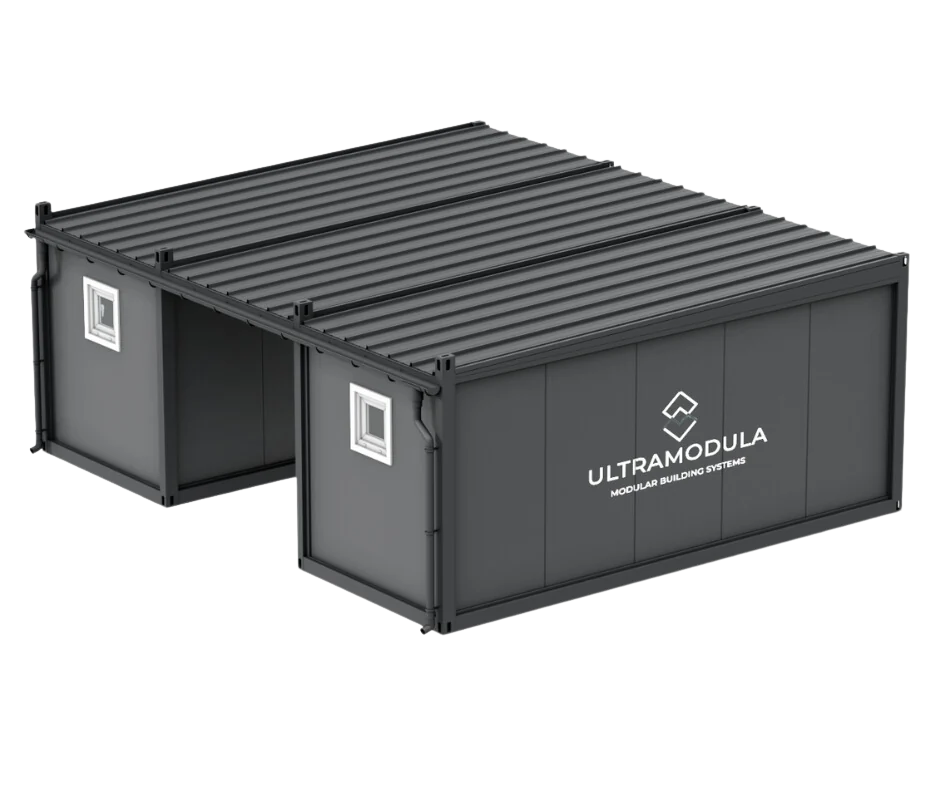
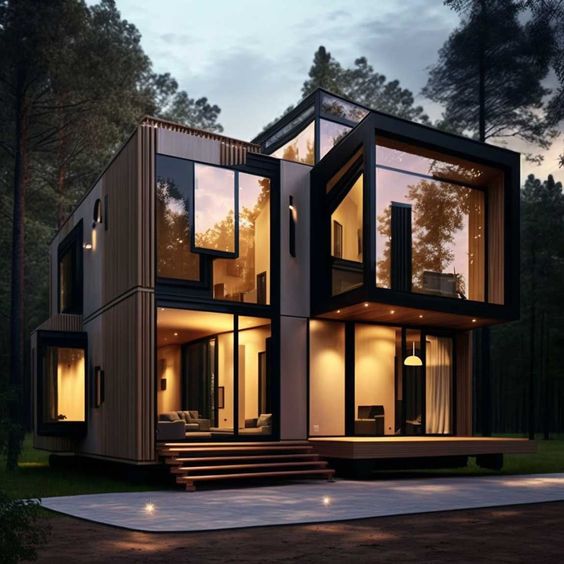
Nearly 70 years after their first use in transportation, containers have become an integral part of modern urban and rural landscapes. From temporary shelter during natural disasters to convenient and practical living solutions , utility and residential containers play a crucial role in many areas of life. However, as their importance and popularity grow, it is increasingly clear that their long-term maintenance and upkeep are not only important but crucial to maintaining their value and utility.
For these containers to remain effective and functional for many years, constant care and maintenance is necessary. Over time, daily use, weather conditions, and other factors may lead to natural wear and tear and deterioration of technical condition. It is worth learning different maintenance techniques, but also maintenance strategies that will extend the life of these containers and minimize their operating costs.
Why is the upkeep and maintenance of containers important?
Containers, whether residential or commercial, are always an investment – whether personal or business. And like any investment, they will be more profitable the longer they retain their original value while maintaining the lowest possible financial outlay. Containers that are regularly serviced and kept in good condition have a longer lifespan and therefore require fewer costly repairs. In practice, this means that investing in the quality and durability of containers can lead to significant savings in the long run by reducing unplanned operating costs. It's worth remembering that repair and renovation costs resulting from neglected maintenance can be significantly higher than those resulting from regular maintenance. Therefore, owners of residential and commercial containers should view them as an investment that will pay off in the future by minimizing unplanned renovation costs.
Ongoing servicing and maintenance can also be viewed from a slightly different perspective – environmental protection. Extending the lifespan of items has a significant impact on reducing waste and resource consumption. When containers are properly inspected and repaired, there's no need to replace them, leading to a reduction in construction waste. Furthermore, ensuring airtight windows and doors, efficient ventilation, and sanitary installations translates into lower greenhouse gas emissions and reduced water consumption.
Factors affecting the condition of containers
To effectively maintain the durability of residential and commercial containers, regardless of their intended use, it's important to understand the factors that influence their condition. Whether a container building will remain in good condition for years to come depends on many variables, but a few are crucial.
Atmospheric factors and environmental conditions
Atmospheric factors play a key role in the aging process of containers. Exposure to intense UV radiation, rain, snow, wind, and fluctuating temperatures can significantly impact the surface condition of containers. Intense UV radiation leads to fading and degradation of the paint coating, significantly increasing the risk of corrosion. Prolonged exposure to moisture also accelerates the corrosion process, especially since the container structure is made of metal. Therefore, regular inspection and maintenance of the paint coating and other protective elements, such as seals, are crucial to maintaining the durability of containers.
In addition to atmospheric factors, local environmental conditions also impact the condition of containers. For example, storage containers used in ports are exposed to sea salt, while manufacturing facilities are exposed to chemical pollutants, industrial dust, and other harmful substances. Therefore, it is important to regularly inspect containers for damage and perform cleaning and maintenance to prevent permanent damage.
Use and intensity of use
How intensively and in what way residential and commercial containers will be used are undoubtedly other key aspects that significantly influence their condition. Residential containers, serving as homes or offices, and commercial and warehouse containers , serving as production halls or storage spaces for various goods, are subject to completely different levels of use.
Residential containers used as private homes or offices are subject to daily wear and tear. People enter and exit, open and close doors, and use plumbing and kitchen facilities. All of this carries the risk of mechanical damage. Prolonged use of a residential container , especially as an office, where more people are present, leads to natural wear and tear of the flooring, installed equipment, and installations.
In turn, service and storage containers are also subject to intensive use. Machines and equipment are regularly moved in and out of containers, which may result in damage to walls, floors or doors. Moreover, frequent loading and unloading of goods causes mechanical destruction of the floor and paint coatings of internal surfaces. In the case of storage containers storing chemical products or goods with high humidity, there is also a risk of corrosion occurring inside the container.
Regular inspections, upkeep and maintenance are essential to prevent growing problems and ensure the long-term performance of your containers. Carrying out technical inspections from time to time will allow for early detection of possible faults and their repair before they become serious problems requiring costly renovations. In addition, proper maintenance, such as painting, repairing seals, or replacing worn parts, will help maintain the durability and aesthetics of the containers.
Quality of construction and materials
Initial quality is crucial to the durability of container buildings. Choosing a container from a reputable manufacturer ensures that the materials used are durable and meet appropriate standards. Furthermore, the quality of welds, seals, and other structural components also impact the longevity of the building. Regular quality inspection and maintenance of these components can help prevent damage and extend the container's lifespan.
Actions necessary for the long-term maintenance and preservation of containers
Ensuring the long, trouble-free use of container facilities requires regular implementation of several basic activities. These are not complicated processes, but you cannot forget about any of them.
- Inspection and assessment of the condition of the container. The first step in regular maintenance is frequent inspections that include a visual inspection of surfaces, structural elements and installations to identify areas that require attention.
- Cleaning and rust removal. If traces of corrosion or rust are detected during the inspection, they must be removed immediately using appropriate tools and materials, such as steel brushes, anti-corrosion agents and container paints. Regular cleaning and painting effectively prevents further corrosion.
- Inspection of thermal insulation and watertightness, because the condition of insulation is crucial, especially in the case of residential containers. Only keeping it in good condition guarantees maintaining the appropriate temperature inside the container and prevents moisture and mold.
- Maintenance of electrical and plumbing installations, as well as inspection and maintenance of HVAC equipment (heating, ventilation, air conditioning).
- Checking the supporting structure. The structural elements of the container, such as walls, roof and floor, should be regularly inspected for mechanical damage. It is also necessary to regularly lubricate door hinges and locks.
- Safety testing is especially important for commercial containers (especially those used to transport dangerous goods) to ensure that all security systems such as buckles, locks and fire extinguishing systems function properly.
- Maintain accurate documentation of all maintenance work, making it much easier to monitor the condition of your container and plan for future maintenance work.
Care pays off
Regardless of the application—whether as employee housing, mobile offices, service points, or warehouses—a key aspect of long-term maintenance is regular inspection and maintenance. Regular technical inspections allow for the detection of potential problems related to corrosion, structural damage, and electrical and plumbing installations. Preventive measures, such as painting external surfaces, maintaining thermal insulation, and repairing damage, protect the container from the negative effects of weather conditions and ensure its long-term durability.
All this means that buildings are not exposed to large, unforeseen (and expensive!) repairs, and residents and employees use them safely and comfortably. Small investments and time spent on regular maintenance will be more than paid off when there is no need to replace the container with a new one or undergo a major renovation.