
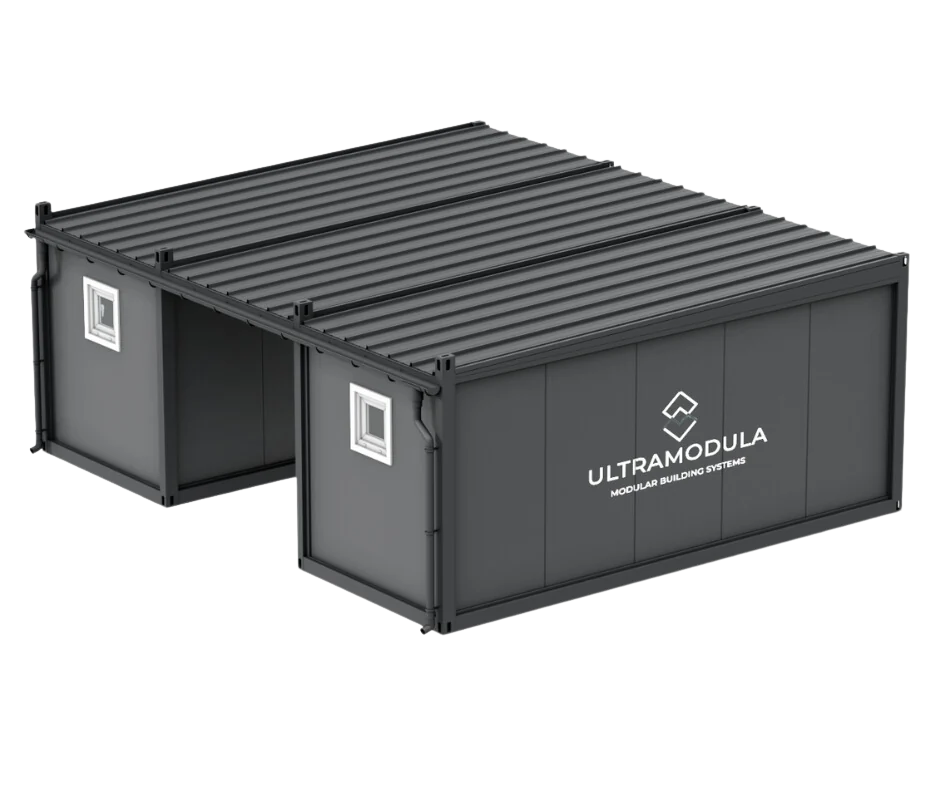

Dressing room container | Manufacturer Ultramodula
Container locker rooms are an extremely practical solution, especially in locations requiring temporary or mobile restroom facilities . Their versatility makes them suitable for use on construction sites, in industrial plants, and during outdoor events. However, proper interior design is crucial for functionality and user comfort. Here's a guide to creating a comfortable container locker room.
Optimal interior layout
A well-thought-out layout is the basis for a comfortable changing room. It is best to plan functional zones:
- Changing Area: equipped with benches and individual clothes lockers.
- Sanitary area: If possible, it is worth integrating showers and toilets with the changing room.
- Rest area: a small place for a short regeneration.
It is worth ensuring that the flow of people is natural and each zone has enough space.
Ventilation – the key to comfort
In container locker rooms, adequate ventilation is essential to ensure fresh air and prevent unpleasant odors and moisture. Depending on the locker room's purpose, it's recommended to use:
- Mechanical ventilation (exhaust and supply).
- tilt windows, which will allow natural ventilation.
- Ventilation grilles in the doors and walls of cabinets.
Effective heating
Thermal comfort is another important aspect. Depending on the location and climatic conditions, the following can be used:
- Electric heaters.
- Underfloor heating systems.
- Air conditioners with heating function.
It is also worth ensuring appropriate thermal insulation of the container to minimize heat loss.
Adaptation to different needs
When designing a changing room, the specifics of the users should be taken into account:
- Construction and industry: solid cabinets, dirt-resistant surfaces, plenty of space for work clothes.
- Sporting events: more benches, quick access to showers.
- Schools and educational establishments: ergonomic solutions, safe for children.
Ergonomics and aesthetics
A well-designed locker room is not only functional but also offers a pleasant interior . The use of bright colors, appropriate LED lighting , and easy-to-clean materials contribute to the comfort and well-being of users.
Designing a container locker room requires consideration of many aspects: from a functional interior layout, through effective ventilation and heating , to adaptation to the specific needs of users. A well-designed locker room will not only fulfill its purpose but also positively impact the comfort and satisfaction of its users.