
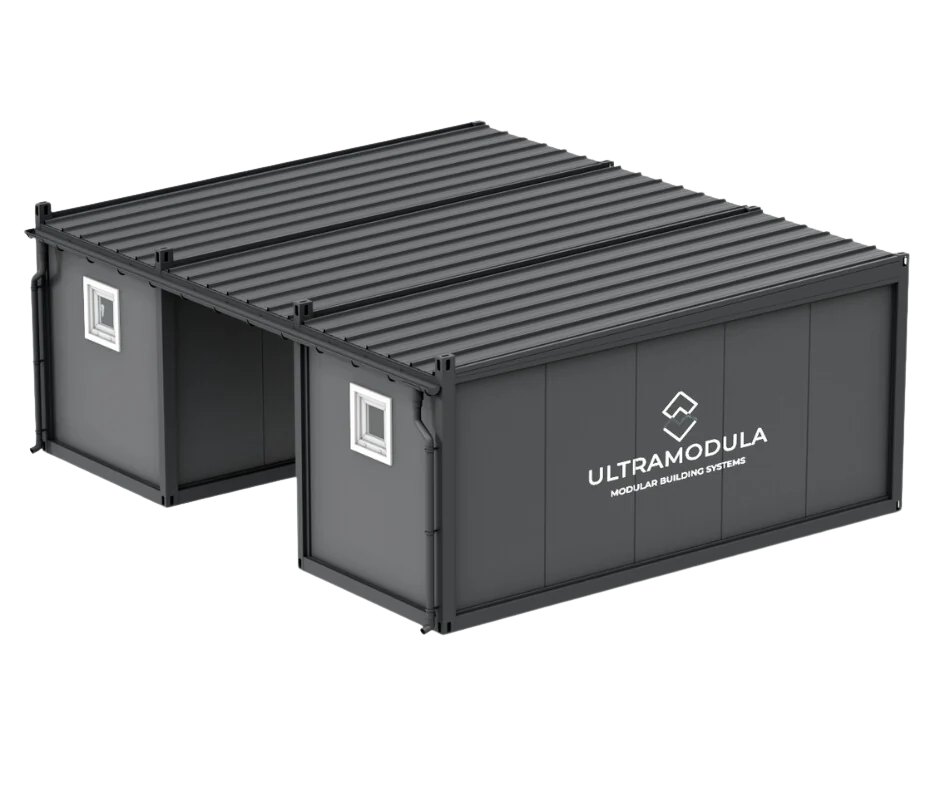

Container residential project | Ultramodula
Over the past few decades, a strong urbanization trend has been observed worldwide, leading to a significant increase in the demand for housing and infrastructure in urban areas. However, traditional construction methods face numerous challenges, including high material and labor costs, lengthy construction times , and space constraints. As a result, alternative construction methods, including the use of container homes, are gaining popularity.
The interest in this form of construction stems from the undeniable advantages of containers. Firstly, they are significantly cheaper compared to traditional building materials. Secondly, they are durable and weather-resistant, meaning they will last for many years. And due to their small size, they are an ideal solution for limited urban space.
Building with containers is also very fast, meaning construction can be completed quickly. Module assembly is very simple and requires minimal staffing, which translates into lower labor costs. Importantly, each such building can be customized to suit your needs and tastes – but it's worth first understanding the pros and cons of different finishing materials for container homes.

How is a modular container built?
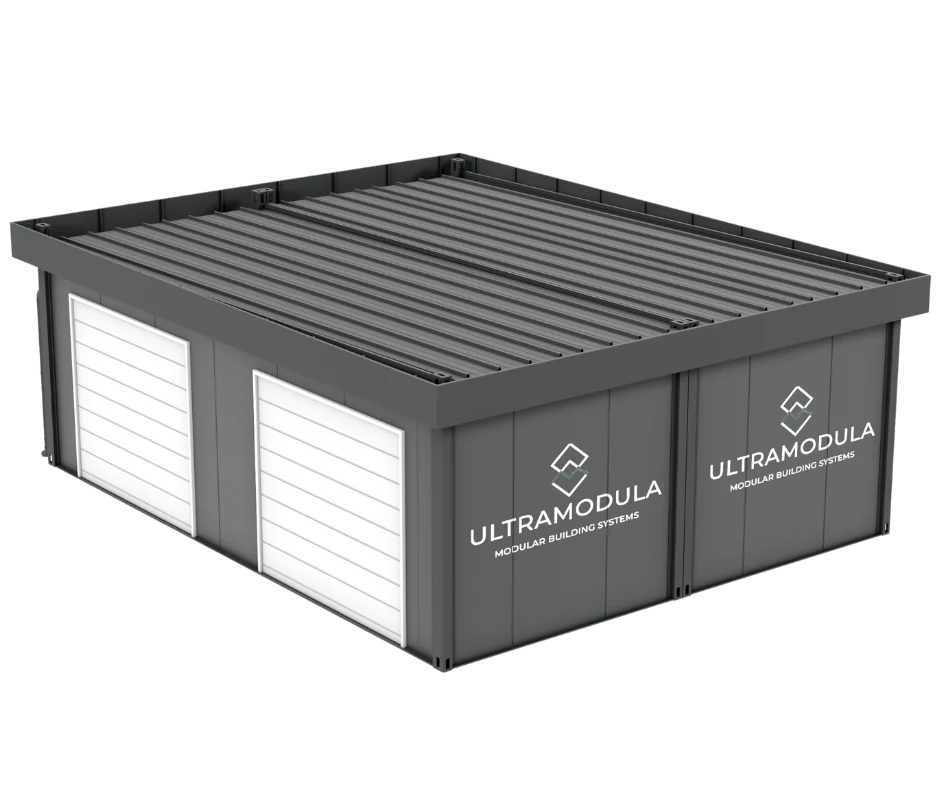
Before analyzing finishing materials, it's worth understanding the basic construction of residential containers. It's based on a standardized frame made of steel sheets and interchangeable door, window, or solid panels. Importantly, the containers can be easily connected using special connecting brackets.
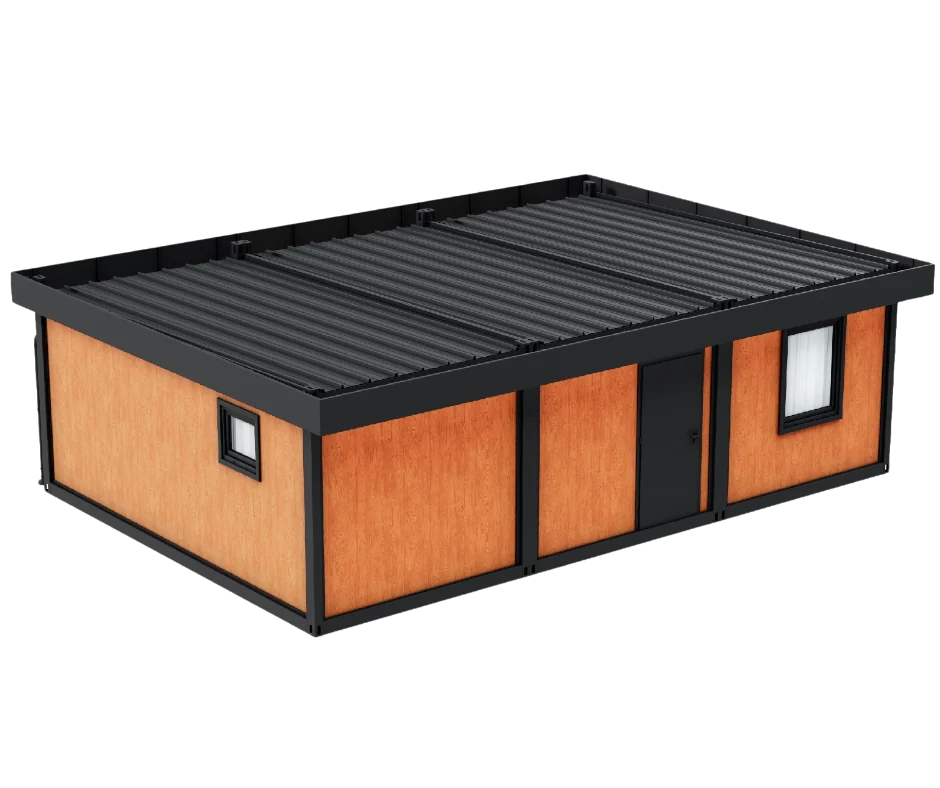
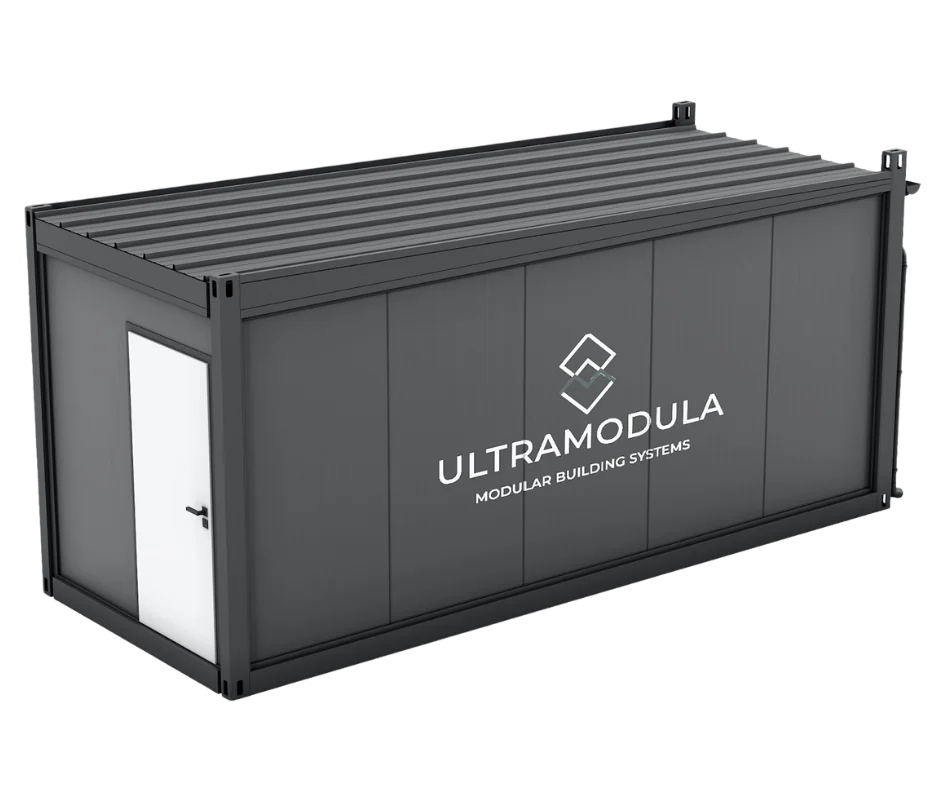
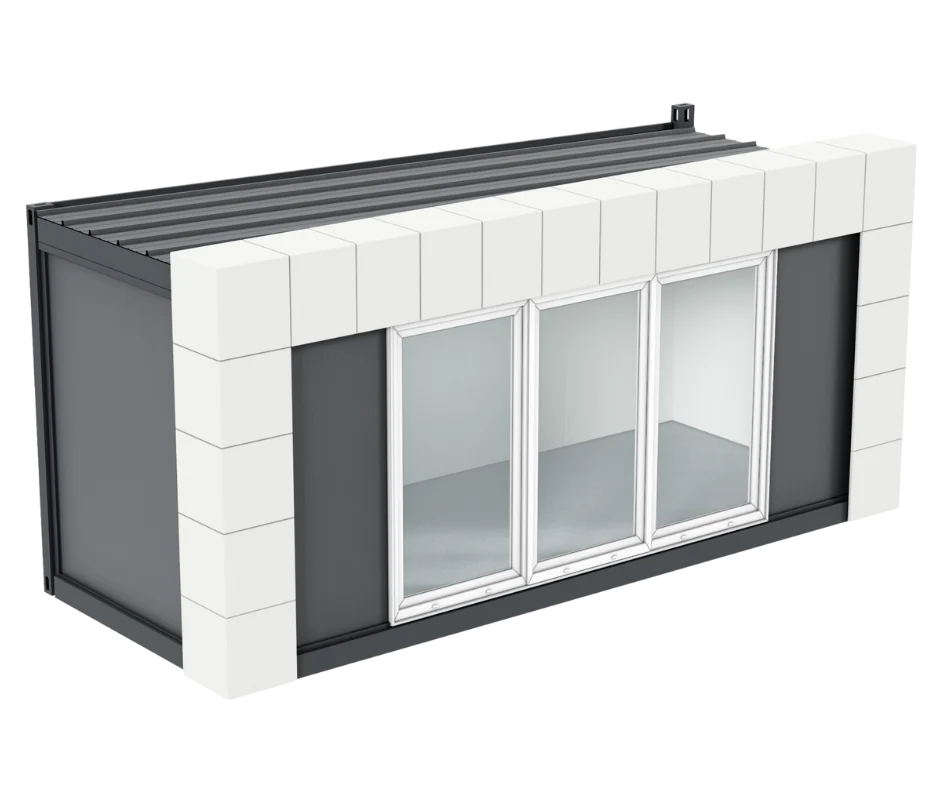
One of the key features of modular containers is their durable construction, which ensures stability and stackability. Their frame is made of cold-formed profiles with a minimum thickness of 4 mm, while the floor is made of OSB boards insulated with mineral wool. Manufactured by renowned manufacturers, the containers feature walls and roofs made of high-quality trapezoidal sheet metal, which is durable and resistant to damage. The exterior facade can also be finished with wood. They are equipped with windows and doors, the number of which depends primarily on the building's intended use. Modern PVC window joinery and steel doors in standard sizes of 90 x 200 cm are most commonly used.
You can choose the color
Once the container home is erected and connected to utilities, interior finishing can begin. This is a crucial step, as it determines both the final comfort and appearance. This includes installing the chosen flooring, painting the walls and ceilings, and equipping the kitchen and bathroom – just like in a traditional apartment. Unlike a house built using traditional technology, modular buildings do not require any exterior finishing. The finished structures are delivered with a pre-selected finish, typically with painted sheet metal or a wooden facade.
A variety of materials can be used to finish the interior of the living containers, such as wood, plasterboard, decorative stone, wall panels, paints and wallpapers. Each of these materials has its advantages and disadvantages, and the final choice depends on aesthetic preferences, decor style and budget.
Metal: trapezoidal sheet
Typically, residential containers are finished externally with sheet metal, which is a durable material and has a number of other advantages.
- Durability and resistance to weather conditions. The right quality and properly protected metal is a very resistant material that can withstand strong winds, rain and snow. In addition, such surfaces are corrosion-resistant, which makes them ideal for outdoor use.
- Longevity and low maintenance. The sheet metal requires minimal maintenance, which means it is easy to maintain.
- Fire and pest resistance. Metal has a high fire resistance and is also pest resistant, meaning it is a safe material to use in residential buildings.
However, like any material, it also has its downsides. Therefore, before the final choice of facade, it is worth getting to know them. Sheet metal defects include:
- weak insulation thermal without additional elements: metal surfaces by themselves are unable to retain heat in the building, however, in the case of residential containers from reputable manufacturers, this problem is solved by using the appropriate thickness of mineral wool;
- possibility of corrosion without appropriate protection: when choosing a container, pay attention to what anti-corrosion protection the manufacturer offers; in the absence of such protection, maintenance and repair of metal surfaces may prove costly and time-consuming.
Natural and beautiful: wood
Wood is considered one of the most aesthetically pleasing finishing materials. Its natural patterns, colors, and warmth add charm and character to any container home. Beyond its aesthetic appeal, it also offers other advantages that encourage its use in modular building construction.
The first is good thermal and acoustic insulation . Wood has excellent insulating properties, helping to maintain the appropriate temperature inside the container. This not only ensures the comfort of occupants but also reduces heating costs. The material also provides effective acoustic insulation, which is particularly important for buildings constructed from several or even dozens of modules, such as student dormitories, hotels, or multi-family homes.
Among the advantages of wood, it is also worth mentioning its availability and ease of assembly. It is one of the most popular building materials in the world, which means that it is available in many places. In addition, its relatively low weight facilitates transport and assembly. It is also worth mentioning that wood is an environmentally friendly material as it is biodegradable and can be easily recycled. However, only if it comes from certified crops.
Despite its natural beauty, wood also has some disadvantages that should not be forgotten. Two key ones are susceptibility to moisture, mold and pests, as well as the need for regular maintenance.
Wood is a material that, unfortunately, is easily affected by moisture, which can lead to the formation of mold and the development of pests, such as fungi. It is also often attacked by pests. To prevent these problems and keep the wood in good condition, regular maintenance and protection is necessary, which consists in the use of appropriate protective preparations.
In addition, this natural material requires regular maintenance to protect it from the elements. We are talking about painting or varnishing, i.e. broadly understood impregnation, to maintain its durability and aesthetics. In order to protect the wood, protective measures should be used, such as varnishes, impregnations or paints that protect against UV radiation, as well as against the already mentioned fungi and pests. Properly protected wood is less susceptible to weather conditions such as rain, moisture or sun. It is worth remembering that improperly secured wood can be destroyed in a short time, and its replacement will be associated with high costs.
Extremely versatile: plasterboards
Due to the low price, quick and easy installation, as well as the ability to hide the installation and good insulating properties, plasterboards are a popular choice for interior finishing of residential containers. Their key advantages, apart from the reasonable purchase cost, include:
- efficient assembly, which speeds up the construction or renovation process residential container, their lightweight construction makes it easy to transport and install them indoors;
- easy to cut and form, which allows you to easily hide all installations (electrical as well as sanitary, water and sewage), which ensures an aesthetic appearance of the interior without protruding wires or pipes;
- good thermal and acoustic insulation: it guarantees the maintenance of the right temperature inside the living container, and additionally reduces noise, which contributes to the comfort of residents;
- the possibility of any finishing: paint, wallpaper or ceramic tiles.
Unfortunately, drywall is not free from defects. When using them indoors, pay attention to them. Their main drawback is the fact that they are sensitive to moisture, especially in the absence of adequate ventilation, e.g. in the bathroom or kitchen. They are therefore susceptible to mold growth, which can affect air quality and the health of the occupants. In addition, under the influence of too much humidity, they can bend and damage. In addition, their fire resistance is not very high, which means that in the event of a fire, they can be damaged or spread fire more quickly.

More than looks
Choosing the right finishing materials for living containers is about much more than just looks. They are crucial for the quality and durability of such a building. It should be remembered that many factors influence the selection of the right option, such as thermal and acoustic insulation, moisture resistance, durability and aesthetics. For example, wood can be a beautiful material, but improper protection can lead to damage by moisture. On the other hand, steel plates are durable and resistant to weather conditions, but they do not insulate thermally as well as wood. Each finishing material has its advantages and disadvantages, and the decision to choose the right one must be based on knowledge and experience - it is worth consulting experts on this matter.