
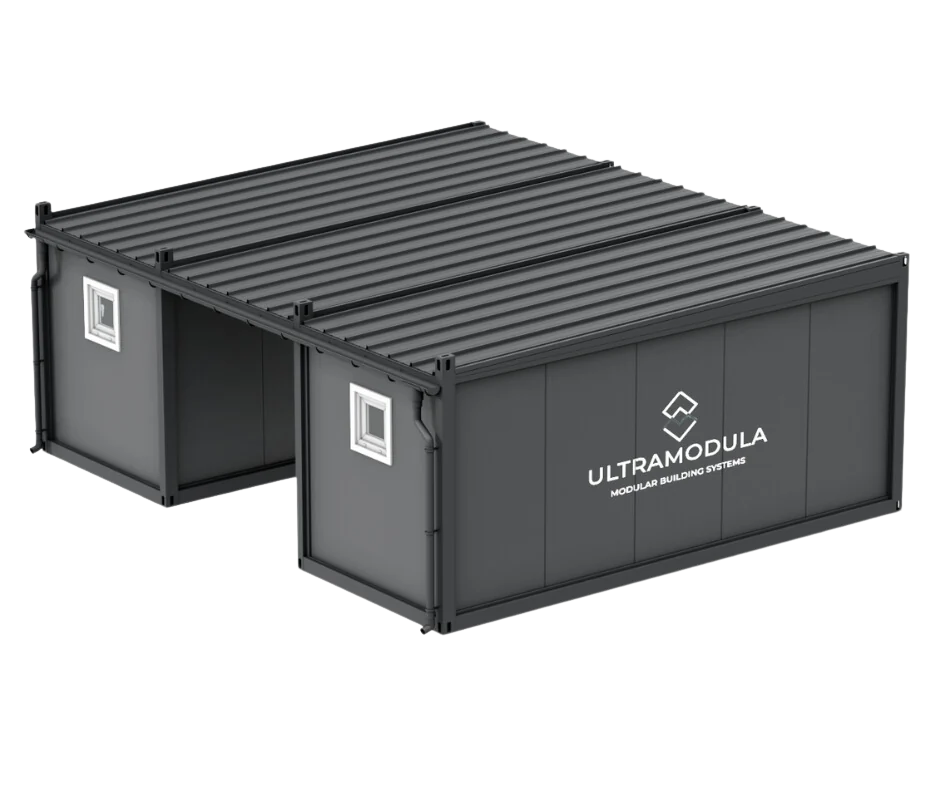

The use of containers in urban architecture
Containers , originally designed for transporting goods, are gaining popularity in urban architecture thanks to their versatility, mobility, and relatively low cost. Their use in public spaces can significantly impact the appearance and functionality of cities. In this article, we will examine the various aspects and benefits of using containers in urban architecture.
Aesthetics and design
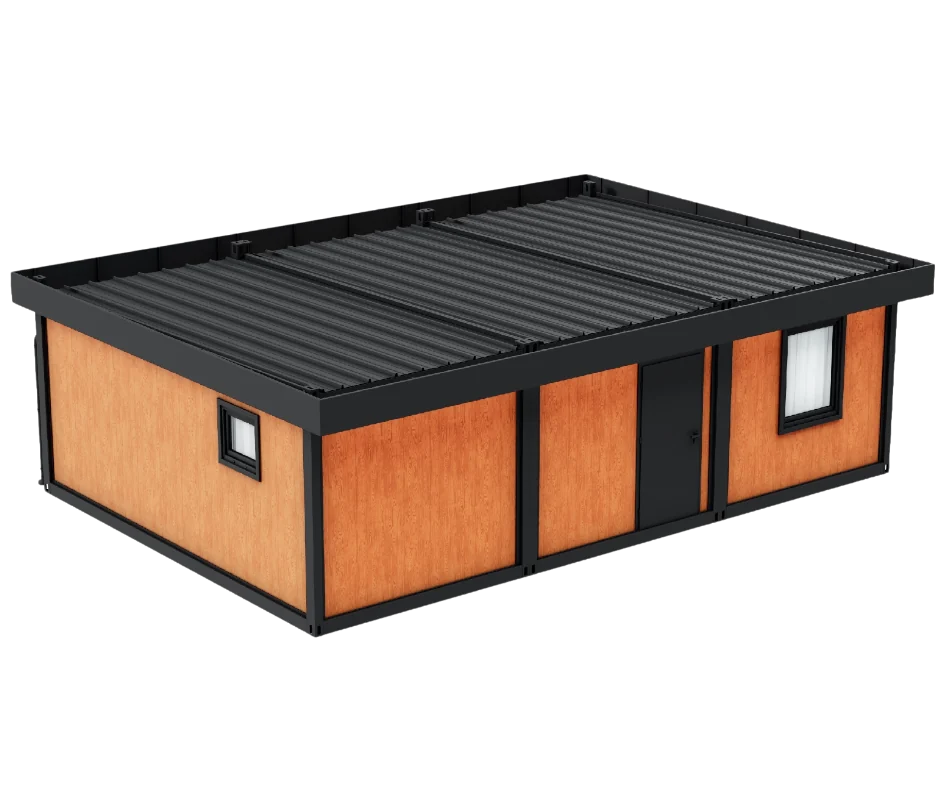
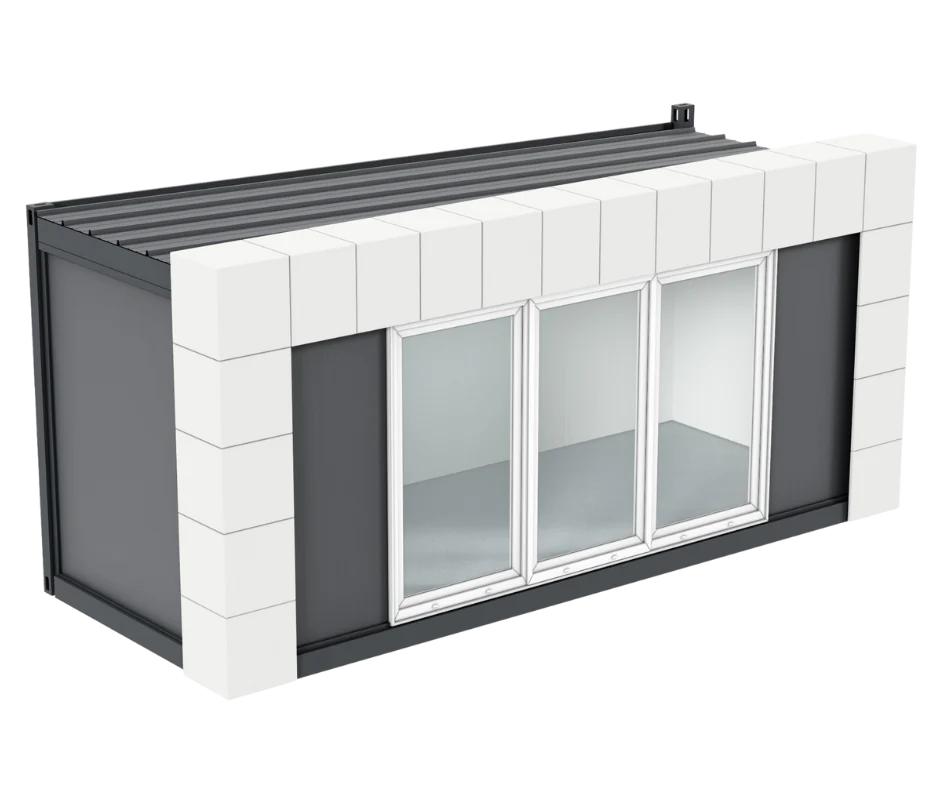
Containers offer unique aesthetic possibilities that can transform the appearance of urban spaces. Thanks to their modular design, containers can be arranged in various shapes and forms, creating modern and industrial structures. Colors and finishing materials can be adapted to the surroundings, allowing for integration with existing architecture or creating contrasting, eye-catching structures.
Functionality and versatility
Containers are extremely versatile and can be used for a variety of purposes:
Housing : Containers can be converted into temporary or permanent housing. They are particularly popular in social housing and transitional housing projects, offering a quick and economical housing solution.
Offices and commercial spaces : Many businesses use containers as offices, cafes, shops, and restaurants. Their mobility allows for easy relocation and adaptation of the space to changing business needs.
Education and culture : Containers can be used as lecture halls, art studios , libraries or art galleries, creating dynamic and innovative educational and cultural spaces.
Public services : Mobile medical points, social welfare centers or tourist information offices – containers can be quickly adapted to various public service functions, supporting the flexibility and accessibility of these services.
Ecology and sustainable development
The use of containers in urban architecture is consistent with the principles of sustainable development. Repurposing used containers for construction contributes to waste reduction and material recycling. Furthermore, container construction requires fewer raw materials and energy than traditional construction methods, resulting in lower CO2 emissions and a lower environmental impact.
Implementation examples
In many cities around the world you can find inspiring examples of the use of containers:

Boxpark in London: A temporary shopping center built from shipping containers, offering space for small shops, restaurants and cultural events.

KontenerART in Poznań: A meeting place for artists and creative entrepreneurs that combines exhibition, recreational and gastronomic functions.

Freitag Tower in Zurich: A skyscraper made of containers, serving as the company's headquarters and showroom, as well as a viewing point.
Challenges and limitations
Despite their many advantages, the use of containers in urban architecture faces certain challenges. The constraints of prefabricated construction, the need for adequate thermal and acoustic insulation, and building code issues can pose challenges. It's also crucial to ensure that container designs are aesthetically pleasing and functional, not just a cost-effective solution.
Containers in urban architecture offer a wide range of possibilities that can significantly impact the appearance and functionality of public spaces. Thanks to their versatility, environmental friendliness, and aesthetic appeal, containers are becoming an increasingly popular solution in dynamically developing cities. Challenges associated with their use can be overcome through innovative design approaches and appropriate adaptation to local conditions.
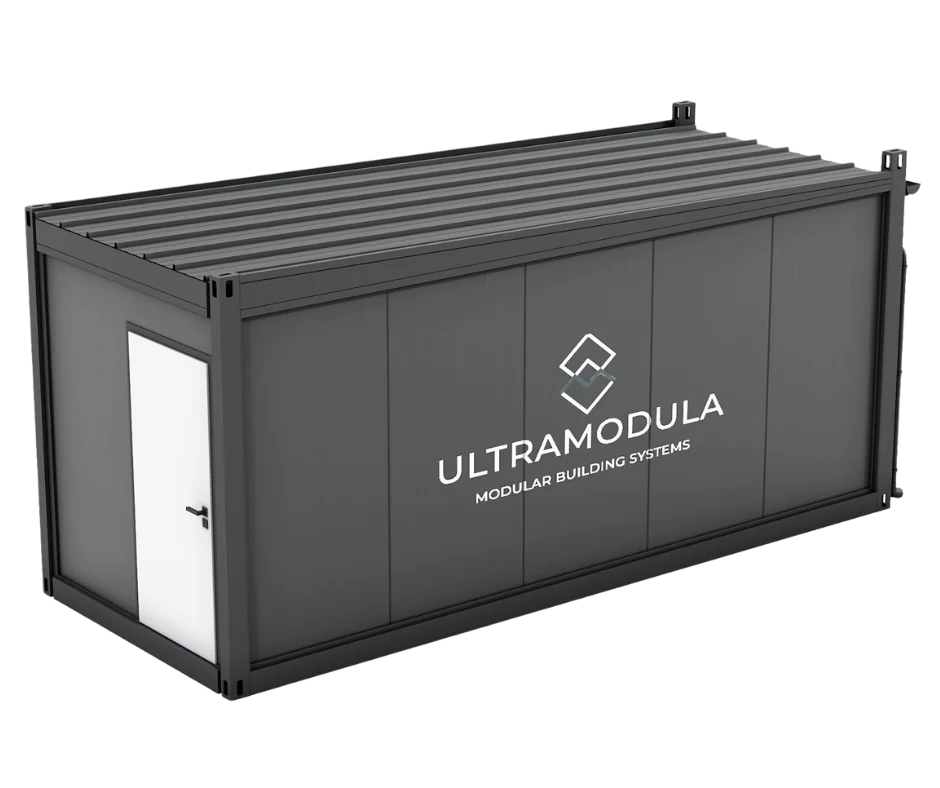
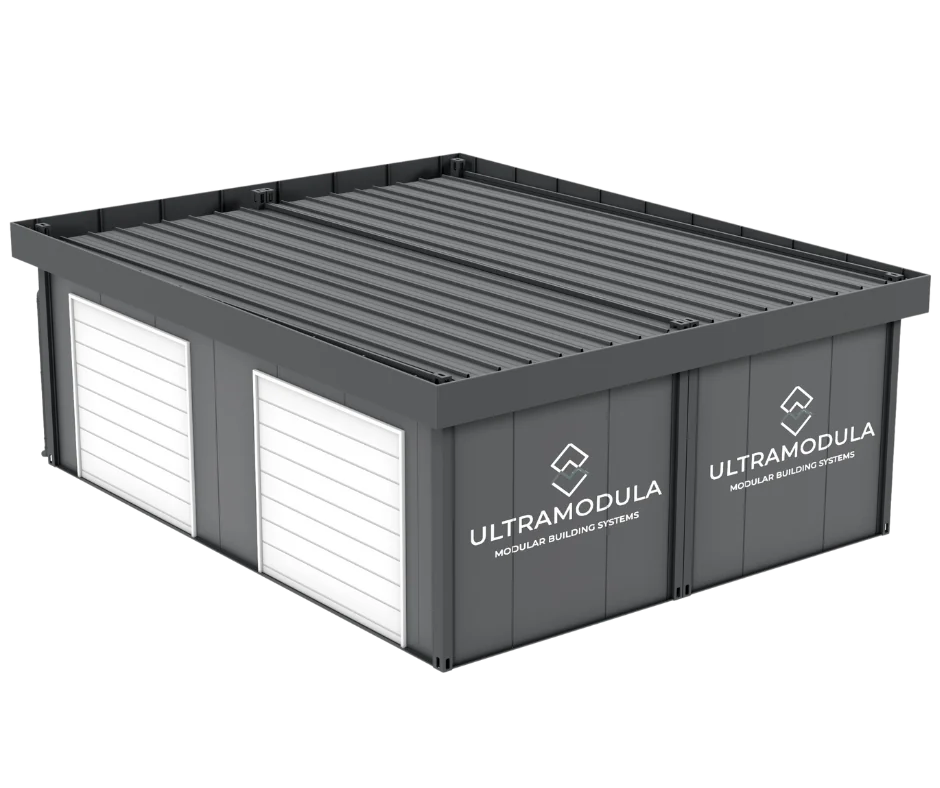
Check the offer of containers Ultramodula: