
How to transform a container into a conference room or training room?
In today's dynamic business world, where flexibility and operational efficiency are key success factors, converting containers for business purposes (such as offices or conference centers) is a solution that is gaining increasing popularity. Containers , primarily known as indispensable tools in transport and logistics, have long been evolving towards more versatile applications. Thanks to their modular design, durability, and relatively low cost, they are increasingly being chosen as the "material" for transforming them into functional buildings for various purposes, including conference rooms. Transforming a container into a conference room or training room requires just a few simple steps: selecting the right container , then designing the interior, along with the necessary installations and thermal and acoustic insulation.
The popularity of this solution is not accidental. Containers are an ideal platform for enterprises and organizations that want to quickly adapt their infrastructure to changing business needs, without the need for long-term and expensive construction processes. This is a solution that combines convenience of use and economy, allowing for flexible management of office space.
Selecting a matching container to transform into a conference or training room
Transforming a container into a functional conference or training room begins with carefully considering the type of container that will meet our needs. Choosing the right container is crucial to the success of your project, but remember that it depends on many factors, such as:
- purpose of the room (trainings, business meetings, conferences),
- the number of people who will use this space,
- nature of meetings (more formal, less official, online training),
- participants' needs (catering facilities, facilities sanitary),
- the period during which the rooms will be used (all year round or maybe seasonally),
- the organization's work style.
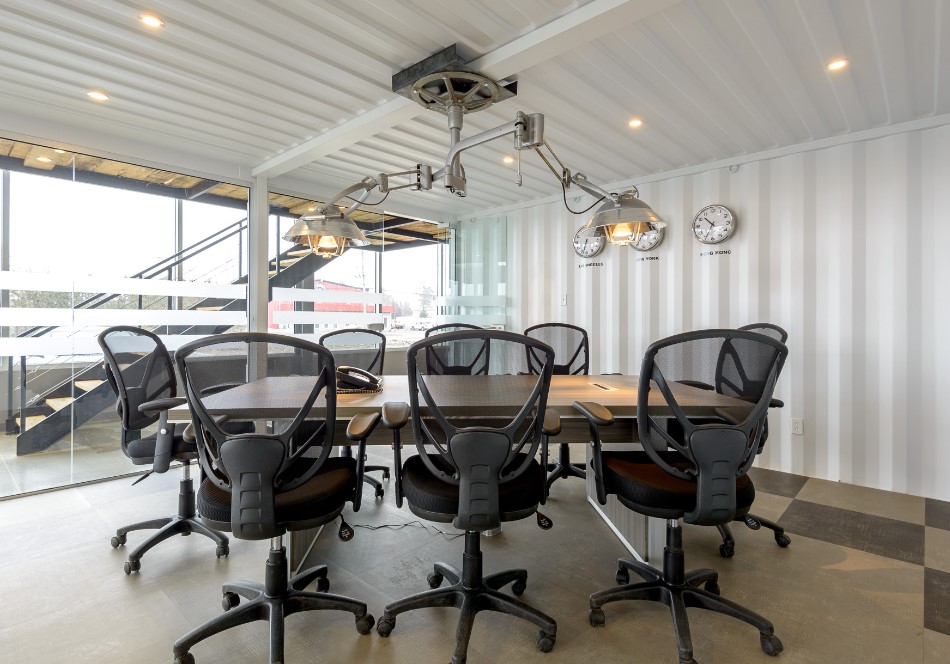
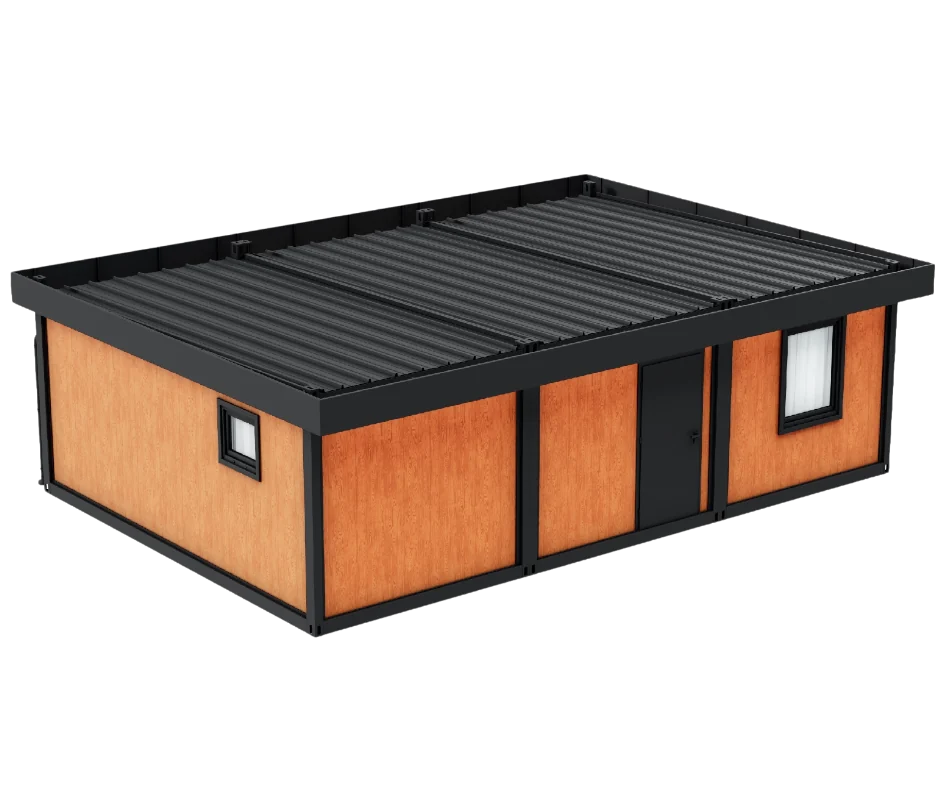
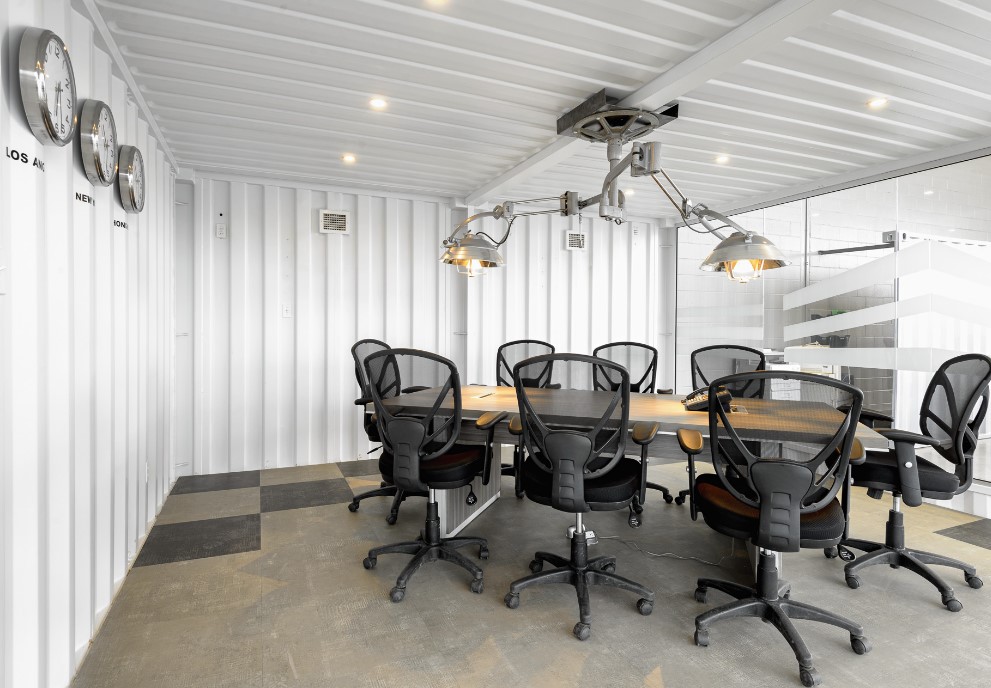
A conference room made of a container
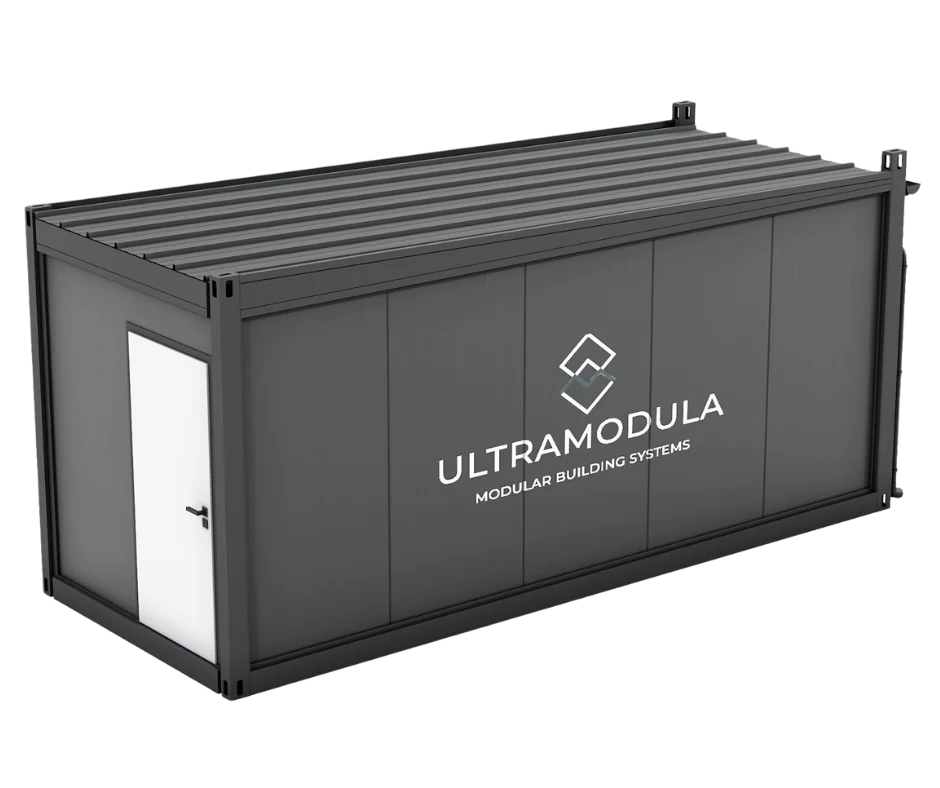
Container size
First, you need to answer the question of how many people will be using the planned conference or training space. Determining the number of participants is crucial, as it allows you to determine the appropriate container size. For small business meetings or intimate training sessions for limited groups, a standard container measuring several square meters may be sufficient. However, for larger groups of participants, it's worth considering larger modules or multiple connected containers to ensure sufficient space.
We must also remember that the selected container should be spacious enough to accommodate not only the participants, but also provide space for storing the necessary equipment (e.g. tables, chairs, boards or mobile screens). It should also be remembered that a larger number of people requires greater sanitary and social facilities.
Construction quality
When purchasing a container to transform into a conference room, it's essential to choose a solution from a reputable manufacturer. Structural strength is a key factor, especially if you're considering expanding the conference and training space in the future, as not all containers offer stacking options. To make this option available, the container's frame should be made of cold-formed sections with a minimum thickness of 4 mm. These sections provide excellent strength and structural stability . It's worth remembering that a solid frame guarantees the durability of the entire facility. But that's not all: the columns that connect the upper and lower frames should also be made of durable sections, preferably cold-formed. This is especially important, as they constitute the second key structural element that ensures the stability and rigidity of the entire structure.
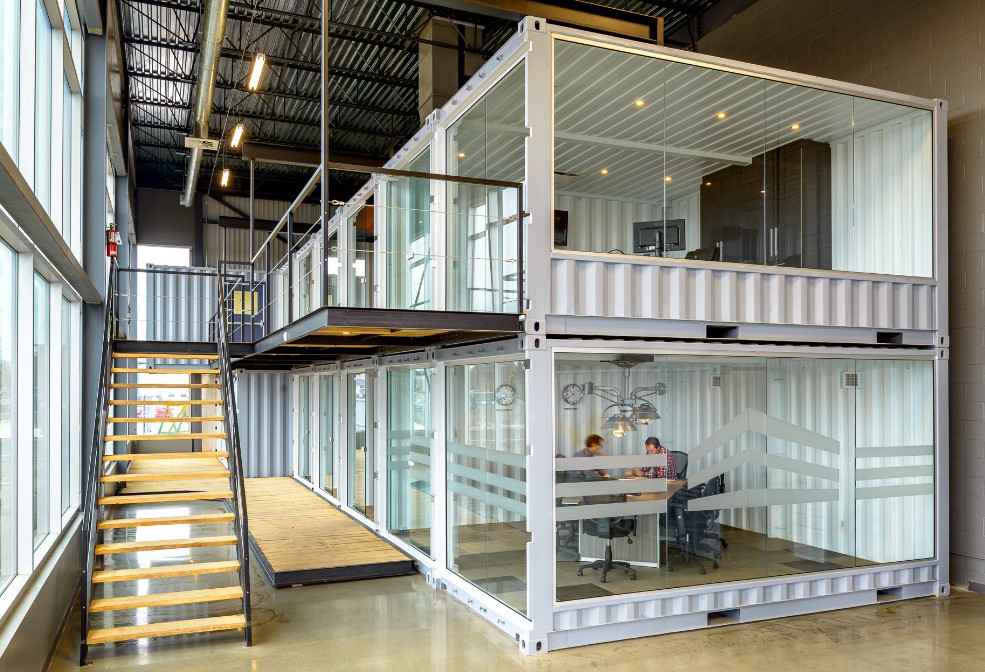
Containers as office rooms
Functional design of the interior of the container as a conference or training room
Conference and training spaces must be comfortable and functional so that ergonomic deficiencies do not become distracting during meetings. To develop a good design, the most important thing is to precisely determine what the room will be used for. Will it be a space for business meetings, training, presentations or maybe a multifunctional space? Understanding the users' needs will allow you to appropriately adjust the interior layout. The versatility of the containers allows for any arrangement - it is best to consult an interior designer or use the support of the manufacturer's experts on this matter.
Ergonomic spaces and furniture
Ensuring ergonomic furniture layout so that all participants have comfortable workspaces is crucial. Furthermore, ensuring accessibility for people with disabilities is crucial, which requires proper planning not only for the training space but also for sanitary and social facilities, including a dedicated restroom. When considering ergonomics, it's essential to pay attention to the furniture : chairs must be comfortable and stackable, and tables should be mobile (with brakes, of course!) and foldable for easier storage.
Functional distribution
A well-thought-out functional layout makes everyday use of the conference and training space much easier. This plan involves planning various arrangements of chairs and tables to optimally use the room depending on the number of people. But that's not all - you should also carefully consider the arrangement of places to store furniture and equipment, as well as easy access to them, because this simplifies the quick rearrangement of space in accordance with current needs. We also cannot forget about emergency exits that comply with occupational health and safety regulations.
Lighting
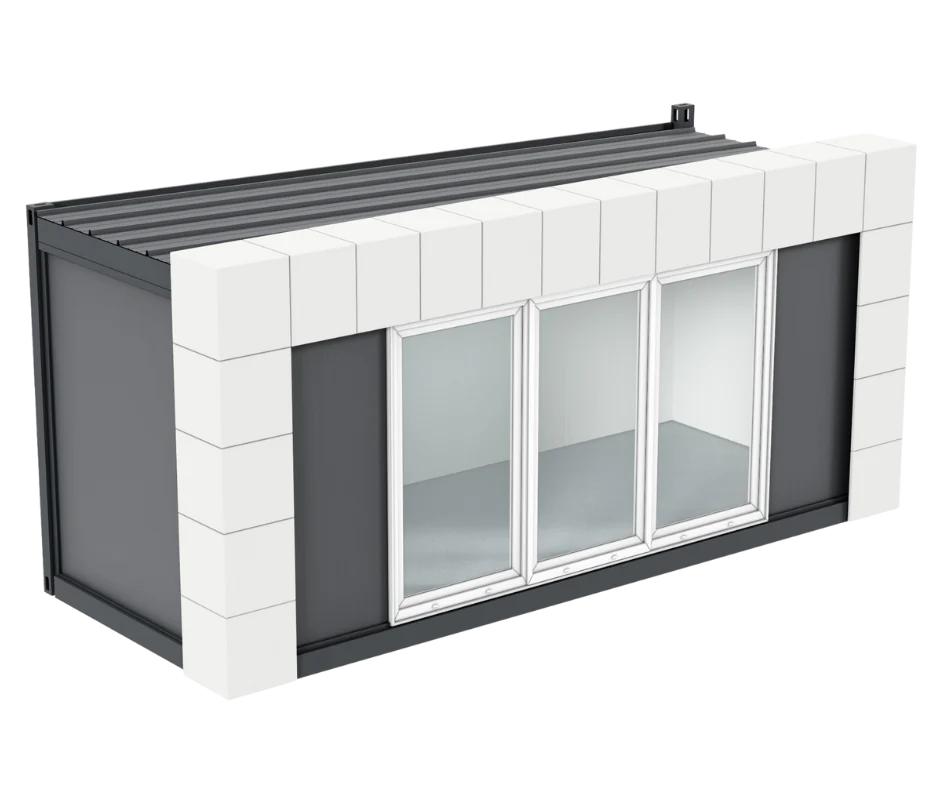
In the context of transforming a container into a conference or training room, ensuring optimal lighting and therefore comfortable working conditions is absolutely crucial. One of the basic aspects of designing the interior of a container is ensuring adequate access to natural light. It influences the overall atmosphere and comfort of work in the room. Properly designed and placed windows are a key element in this process.
A container equipped with optimally sized windows will allow for a sufficient supply of natural light, which not only affects the well-being of users, but also helps to save electricity during the day. It is important to choose modern PVC joinery, characterized by good thermal and acoustic insulation. It is worth remembering that providing natural light also has a beneficial effect on the health of users' eyes.
Although natural light is irreplaceable, we cannot always rely solely on it, especially in the evenings or in the autumn and winter season. Therefore, you should ensure appropriate sources of artificial lighting. One of the best solutions are LED lamps. The models available on the market offer a light color close to natural, which is not only aesthetic, but also eye-friendly. Moreover, such light sources are very energy-efficient, which translates into lower electricity bills.
It is also worth considering solutions that allow you to adjust the lighting intensity. In the case of conference or training meeting places, the ability to adjust the light brightness to a specific situation has a positive impact on work during training or workshops - a different light intensity is needed during a presentation on a projector and a different one during creative work.
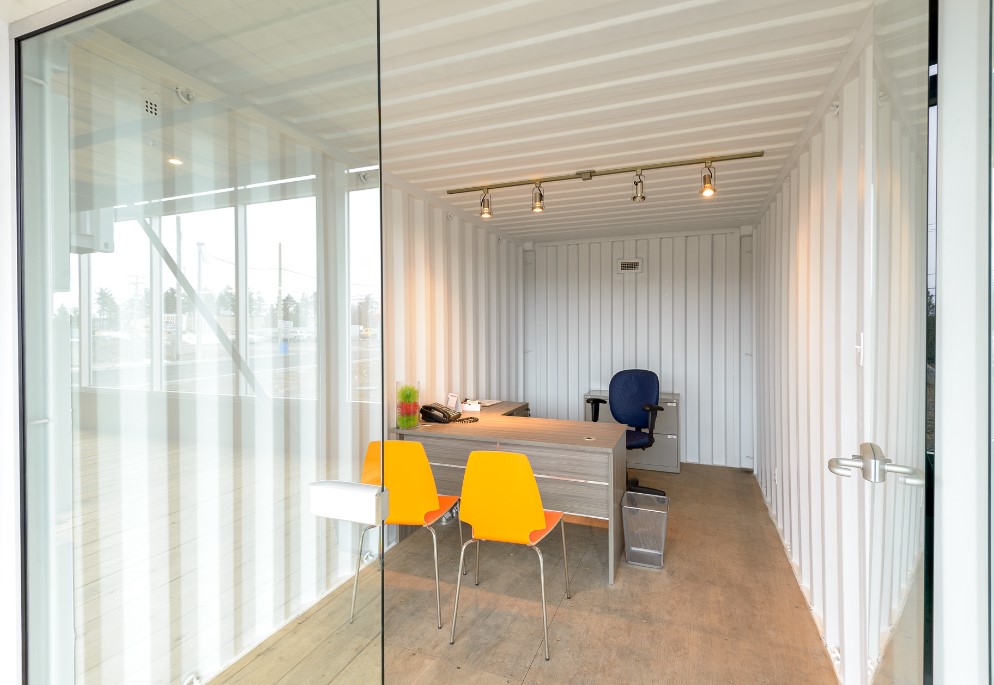
Selection of equipment
The next stage, after selecting the container and the functional design, is selecting the appropriate equipment: from furniture, through technical solutions to small accessories necessary in training and conference spaces. The most important element is certainly the furniture, because it is largely responsible for the comfort of users and ergonomics of work. The basic equipment in this area includes:
- conference tables: pay attention to their size and shape to accommodate all participants; depending on the design, you can choose round, oval or rectangular tables;
- chairs - here you should remember that comfort is the absolute priority, the best solutions are those with adjustable armrests, ergonomically profiled backrests and seats, and can also be stacked (i.e. stored one on top of the other);
- cabinets for storing training materials.
Technical equipment, i.e. audio-visual equipment, is as important as furniture. A multimedia projector combined with a screen adapted to the size of the room will allow for comfortable display of presentations. In turn, a professional audio system will provide good sound quality, which is crucial during conferences and training. It is also necessary to provide mobile devices such as laptops, HDMI cables and adapters so that participants can connect their equipment if necessary.
Finally, you need to remember about small but necessary elements: whiteboards and flipcharts will certainly be useful for making presentations and taking notes, and equipment such as pens, cards or other art accessories will support participants during creative workshops.
Comfortable conference and training rooms in containers
Transforming a container into a modern conference or training room is an innovative solution that is becoming more and more popular in the world of interior design. It allows you to create functional, mobile business spaces that are both economical and flexible in adapting to various needs.
The process of "building" a conference or training room using containers is not complicated. The key is to choose the right facility and its thoughtful design - it is worth relying on an experienced container manufacturer for such an investment. Not only will it help at the design stage, but it will also provide high-quality containers that will serve for many years.