
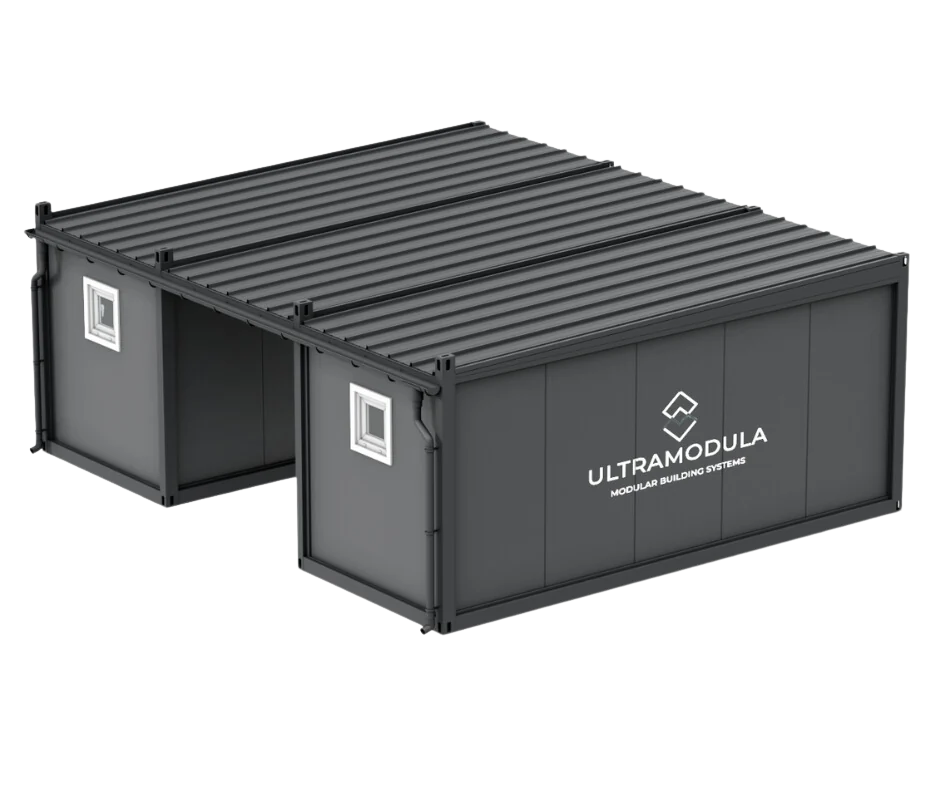

Fire safety in residential and commercial container buildings
Containers are becoming increasingly popular in residential and commercial construction thanks to their mobility and ease of assembly. Regardless of the building type , fire safety is an absolute priority and should be considered at every stage of container design and construction . This requires the use of appropriate materials and fire protection systems. Other important factors, such as acoustic and thermal insulation , ventilation, heating, and other installations, are also important. Only appropriate preventive measures and fire protection systems can significantly increase the level of safety for residents and protect property.
Factors affecting fire safety in containers
To properly design a residential or commercial container building with fire safety in mind, many factors must be considered: materials, insulation, fire protection systems, and many others. This is a complex process, so when building a house or other structure from containers, it's worth choosing an experienced manufacturer to ensure nothing is overlooked.
Appropriate materials
The fire safety of residential containers is inextricably linked to the selection of appropriate construction materials. This is the first and key factor that significantly impacts the structure's fire resistance. In the case of containers, the structure should be made of proven materials that are highly fire-resistant, ensuring extended resistance to high temperatures.
Reputable manufacturers of residential containers use steel with increased fire resistance. Containers made of such steel are able to withstand extreme temperatures for a long time, which gives valuable time to evacuate residents and minimize material losses.
It is worth emphasizing that fire-resistant materials used in the construction of containers not only provide high fire resistance, but also have other desirable features. They are often materials that are also tough, durable and weather resistant. This means that buildings made of such materials can offer not only fire safety, but also long-term durability and resistance to various external factors.
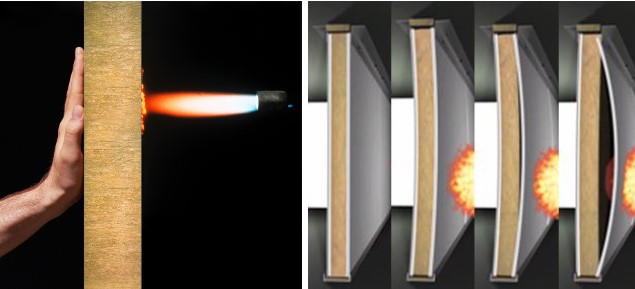
photo Paroc
Thermal and fire insulation
In residential containers, adequate thermal and fire insulation play a crucial role in ensuring not only fire safety but also comfortable living conditions. Thermal insulation protects occupants from the transfer of cold (or heat) from the outside into the container , maintaining a stable temperature inside the building regardless of external weather conditions. Insulation materials, such as mineral wool, used in containers must be fireproof because, in the event of a fire, it helps inhibit the spread of fire, minimizes the risk of it spreading to other parts of the building, and provides time for appropriate firefighting measures. Properly securing and sealing all joints between structural elements is also crucial to prevent fire and smoke from easily spreading to other parts of the container.
Fire systems
Another aspect to keep in mind is equipping container residential and utility buildings with appropriate fire protection systems. There are several key solutions that can be implemented to minimize risk and protect residents:
- smoke detectors and heat detectors: these advanced devices are able to detect the presence of smoke or a sudden increase in temperature, which may indicate a potential fire hazard. When smoke detectors or heat sensors detect irregularities, they automatically trigger an alarm, informing residents of potential danger. Thanks to this, it is possible to react quickly and take appropriate security measures, such as evacuation.
- automatic extinguishing systems, such as sprinklers, which are one of the most effective solutions in fighting fire. These are nozzles spraying water or extinguishing substance, connected to the water supply network or pressure tanks. When fire is detected, the entire system is activated automatically, wetting the hazardous area and effectively extinguishing the fire. This not only acts as a safety measure but also minimizes property damage caused by fire.
- manual extinguishing agents, although not as modern, remain the most important. Only if the residents are properly instructed and equipped with handy extinguishing agents, will they be able to save themselves and their property. The most common are small fires that can be put out before automatic systems are activated or outside help arrives.

Manual extinguishing agents
It is essential for safety that fire protection systems are regularly maintained and periodically inspected. Regular testing of smoke detectors, heat detectors and checking the efficiency of automatic extinguishing systems is essential to ensure that they function properly when required.
Lighting and escape routes
In the event of a fire hazard, clearly marked and well-lit escape routes are essential to ensure that building occupants can leave the building quickly and safely. The first element to pay attention to, especially in public or service facilities, is emergency lighting. In the event of a loss of power due to fire, the emergency lighting switches on automatically, ensuring visibility on escape routes. Emergency lighting may be powered by an independent power source, such as a battery or generator, to operate independently of the main power system. Another aspect is the marking of escape routes. Signs should be placed at the appropriate height, clearly visible even in conditions of limited visibility or dense smoke.
It is also important to regularly check and maintain emergency lighting and escape route signs. Regular performance tests of all system components are required to ensure trouble-free operation when required.
Ventilation and smoke extraction systems
The accumulation of smoke and toxic gases inside a building during a fire can be a serious threat to health and life. Therefore, proper design of the ventilation system is extremely important. The key aspect is the supply of fresh air inside the container. Optimally designed air intakes are important both in the event of a fire and in everyday life. In an emergency such as a fire, access to fresh air is essential to sustain life and reduce the risk of poisoning. However, in everyday use, proper ventilation improves the air quality inside the container, ensuring healthy and comfortable conditions for residents.
Fire safety in container residential and utility buildings will not be ensured without effective smoke extraction to the outside. The smoke extraction system may include the installation of ventilation ducts, chimneys or other solutions.
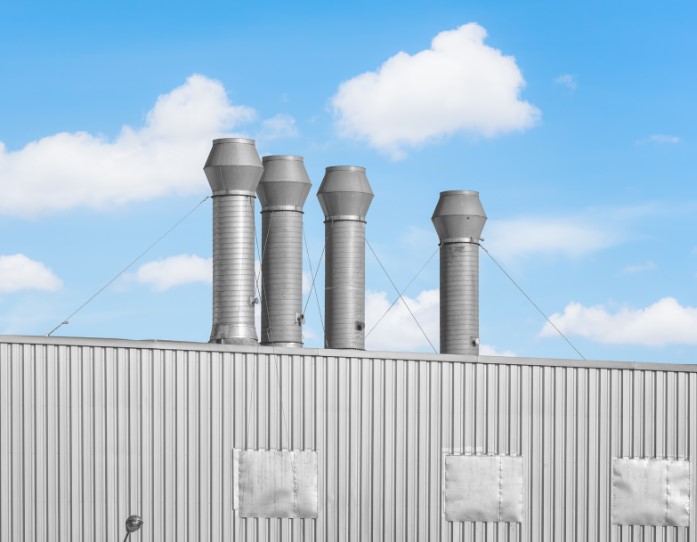
Ventilation and smoke extraction systems
Legal requirements and regulations regarding fire safety in container residential and commercial buildings
Container homes are a relatively new development in the construction industry, and therefore the legal requirements and regulations regarding their fire safety are still developing and evolving. However, there are general legal provisions that should guide the design of container-based residential and commercial buildings. In Poland, the primary legal acts regulating fire protection are:
- Act of August 24, 1991 on fire protection,
- Act of August 24, 1991 on the State Fire Service,
- Regulation of the Minister of the Interior and Administration of June 7, 2010
The ordinance of 2010 is particularly important, because it defines in detail the ways and conditions of fire protection of buildings, other structures and areas. In addition, issues related to fire safety in residential and commercial buildings are taken into account in European standards, such as Polish Standard PN-EN 1991-1-2:2004+A1:2010 - Loads on buildings - Part 1-2: Fire-related loads. This standard specifies the fire loads that must be considered when designing and assessing the fire safety of buildings.
The requirements for fire safety in container residential and commercial buildings include the appropriate selection of fire-resistant materials for the construction of containers, the use of effective fire protection systems, such as smoke detectors, heat detectors, fire extinguishing systems, and ensuring proper thermal and fire insulation. Ventilation and smoke extraction systems must also be designed in accordance with regulations to ensure effective evacuation of smoke and toxic gases in the event of a fire.
Safety comes first
Fire safety is a key consideration when designing and constructing residential and commercial container buildings. It's crucial that designers, manufacturers, and users of such facilities are aware of applicable fire safety regulations. Collaborating with relevant institutions and experts in building and fire regulations can ensure that container buildings meet legal requirements and fire safety regulations, thus contributing to the protection of life and property.