
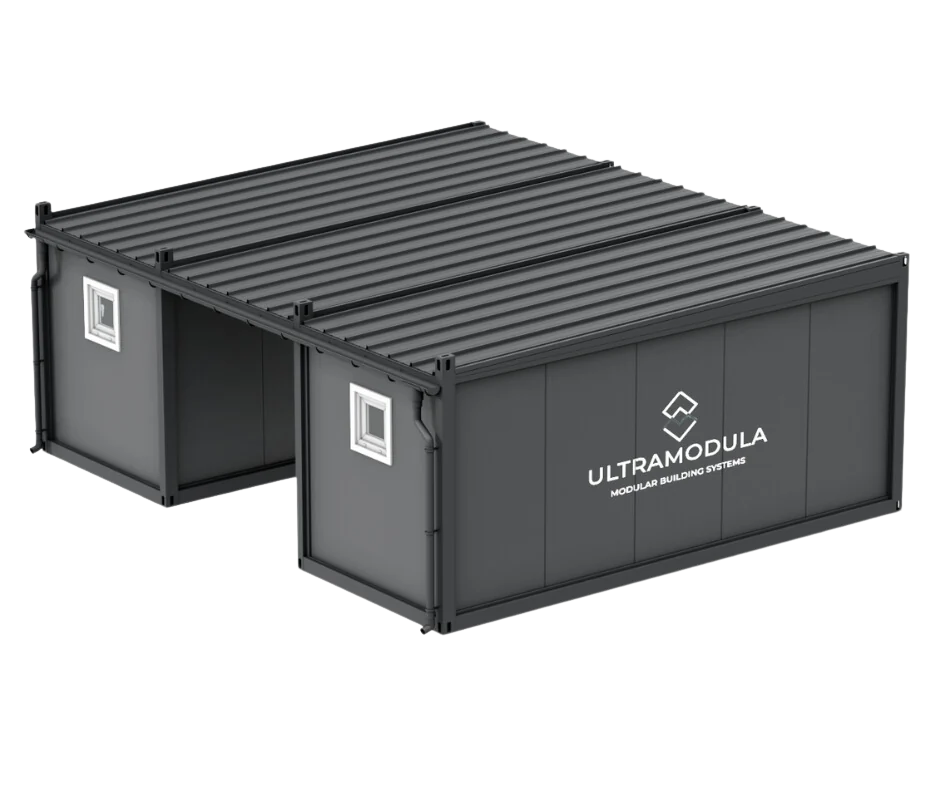

Modular school - implementation Ultramodula
Just a dozen or so years ago, containers in education were primarily associated with temporary solutions. Today, container and modular schools demonstrate that prefabrication can be the foundation for functional, architecturally appealing, and well-equipped learning spaces.
Projects from Africa, Great Britain, and mobile classroom projects developed in Europe show different approaches to the same issue: how to quickly create an educational space and at the same time adapt it to local needs?
1. Vissershok Container Classroom – South Africa
One of the most recognizable examples of using containers in education is the Vissershok Container Classroom near Cape Town. Designed by Tsai Design Studio, the project was created for a school serving, among others, the children of local farm workers and families from less affluent communities.
The building's foundation was a 12-meter-long shipping container converted into a classroom for 25 children aged 5-6. The space served a dual purpose – it served as a classroom in the morning and a small library for the school later in the day.
The designers paid particular attention to climatic conditions. An additional roof was constructed over the container to limit heat gain, and windows on both sides allowed for cross-ventilation. The surrounding area was also developed, including a play area, a garden, and stepped seating areas that could serve as a meeting place and a school assembly.
What can be learned from this project? A small module doesn't have to serve just one function. Proper interior and exterior design allows for much more efficient use of a relatively small space.
2. Legson Kayira Community Center & Primary School – Malawi
Even more interesting from the point of view of modern modular construction is the approach used at Legson Kayira Community Center & Primary School in Malawi.
The school's components were prefabricated in South Africa. The entire structure was designed to be packed into four 6-meter containers and then transported to the project site. The containers also carried prefabricated roof elements and other components necessary for construction. Once delivered, the structure was assembled on-site in approximately eight weeks.
This is a very good example of one of the main advantages of prefabrication: a building can be largely constructed where appropriate production conditions, materials and quality control are available, and then transported to its destination.
The design was also adapted to the local climate. Opening wall elements allow for the regulation of light, shading, and cross-ventilation. Solar energy solutions were also incorporated.
3. Fawood Children's Centre – Great Britain
Containers can also be part of a much larger and more complex architecture.
An example is the Fawood Children's Centre in London, where containers were used to create spaces for children and educational activities, among other things. The containers create multi-story structures within a larger external structure.
This is a completely different approach than the single-class approach used in South Africa. However, it demonstrates an important feature of container construction – modules can be combined into larger systems, creating more complex structures.
This is particularly important for investors planning a school or preschool. Modular technology doesn't have to mean a series of identical, individual containers. A properly designed system can create classrooms, corridors, restrooms, administrative offices, and shared spaces.
4. Expansion of schools in Great Britain
Container technology is also used when an existing school needs to quickly expand its space.
One featured example is Shooters Hill School in London. A container-based solution was used to create additional classrooms and workshop spaces. According to the project description, the expansion provided approximately 7,200 square feet of additional space, and the structure was erected on the school grounds within two days.
This shows a very practical use of modules: it is not always necessary to build the entire school from scratch.
In many cases, all that's needed are additional classrooms, workrooms, restrooms, locker rooms, or administrative facilities. Modules allow for the expansion of existing infrastructure in stages.
5. EDUbox – mobile classroom
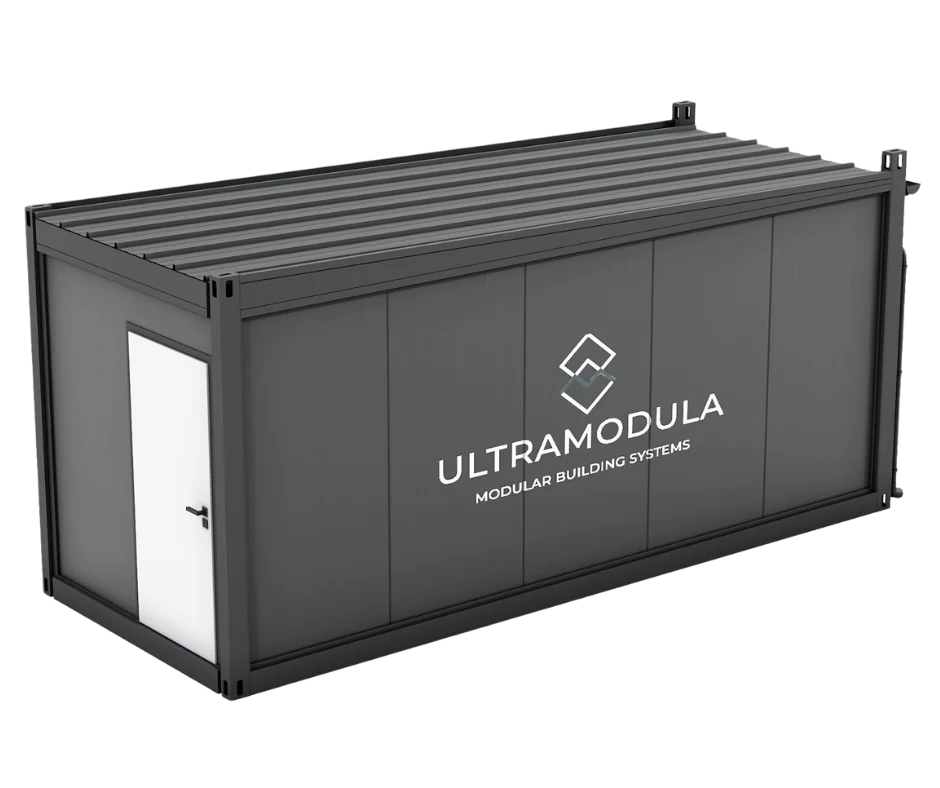
Another interesting development direction is EDUbox – a mobile educational environment based on a 20-foot shipping container.
The solution was designed to be transportable by truck or ship and used in locations with limited infrastructure. The project envisions self-sufficiency in terms of energy, heating, and water, among other things. One of the uses of EDUbox was to provide access to education for refugees in Jordan.
This is an example of how far the idea of a mobile module can be developed. The container becomes not only a building structure, but a ready-made educational unit that can be transported wherever it is currently needed.
From a shipping container to a modern modular school
It's worth distinguishing between two solutions. Some of the global projects described were created by adapting used shipping containers. Contemporary modular construction, on the other hand, may utilize modules designed and manufactured from the outset with educational purposes in mind.
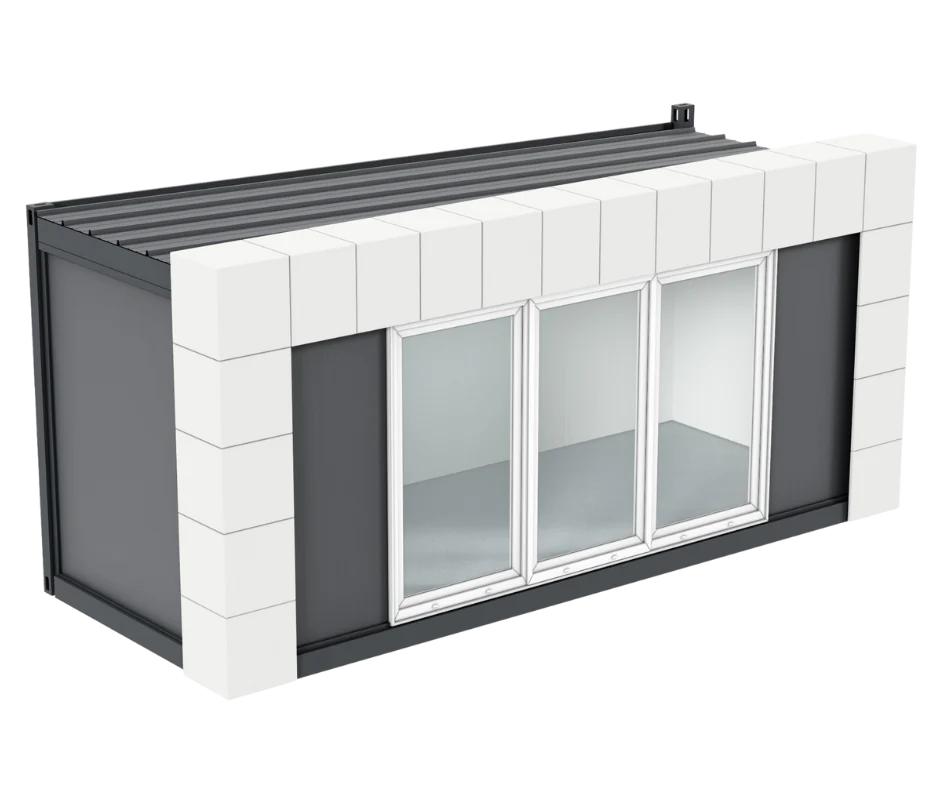
This provides much greater possibilities for shaping the dimensions of rooms, interior heights, glazing, thermal and acoustic insulation, installations and functional layout.
As a result, a modern modular school does not have to look like a container.
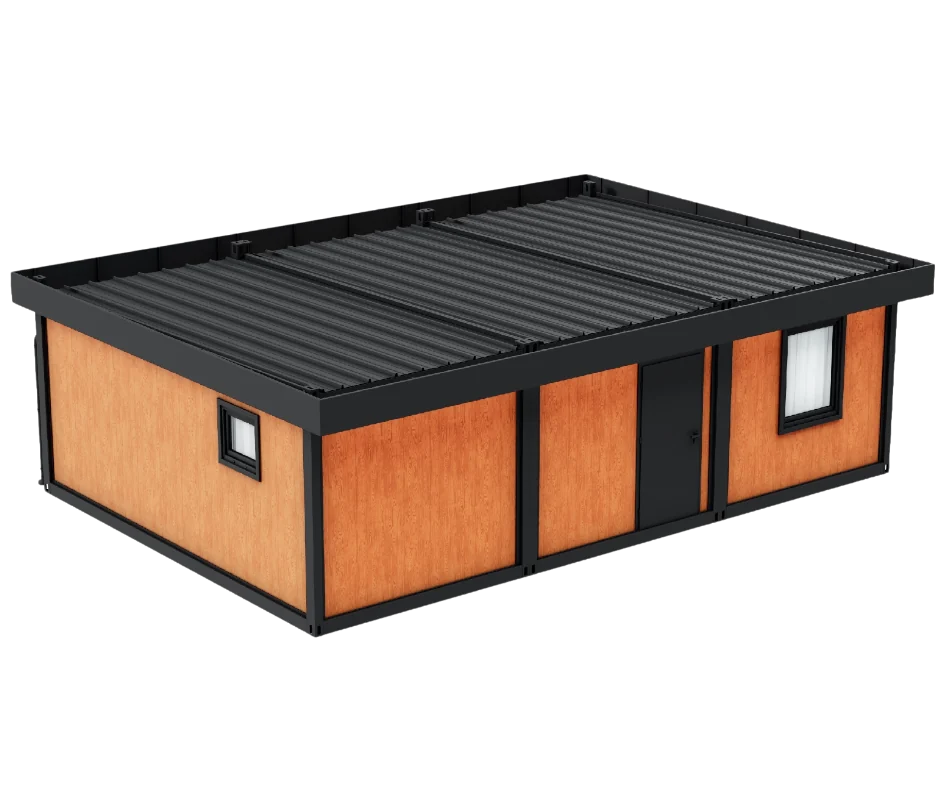
It can be a full-fledged building with spacious rooms, wide corridors, large windows, toilets, facilities for teachers, ventilation, heating and air conditioning.
What do global projects tell investors?
Examples from various countries demonstrate, above all, that there is no single, universal model for a container school . Technology should be tailored to the specific task.
The most important conclusions are:
- modularity – the facility can be adapted to the required number of students and expanded in the future
- prefabrication – a large part of the work can be carried out in the production plant in parallel with site preparation
- quick montage – limits the scope and time of work performed directly on the construction site
- functional flexibility – modules can create both a single class and a larger educational complex
- adaptable to climate and location – appropriate insulation, shading, ventilation, heating or air conditioning can be selected to suit the conditions of a specific investment
- investment phasing – the school can be designed in such a way that as the number of students increases, additional spaces can be added.
Modular schools – a solution also for Polish local governments
In Poland, modular technology may be particularly interesting for municipalities and other investors who need to respond to changing student numbers or need to create a new educational facility in a relatively short time.
This isn't just about temporary solutions. A properly designed modular facility can be designed for long-term use and designed to meet the requirements of educational buildings.
Global examples show that the module is not a limitation for architecture – it is a tool that allows you to plan the construction process differently.
Ultramodula – a school tailored to the investor's needs
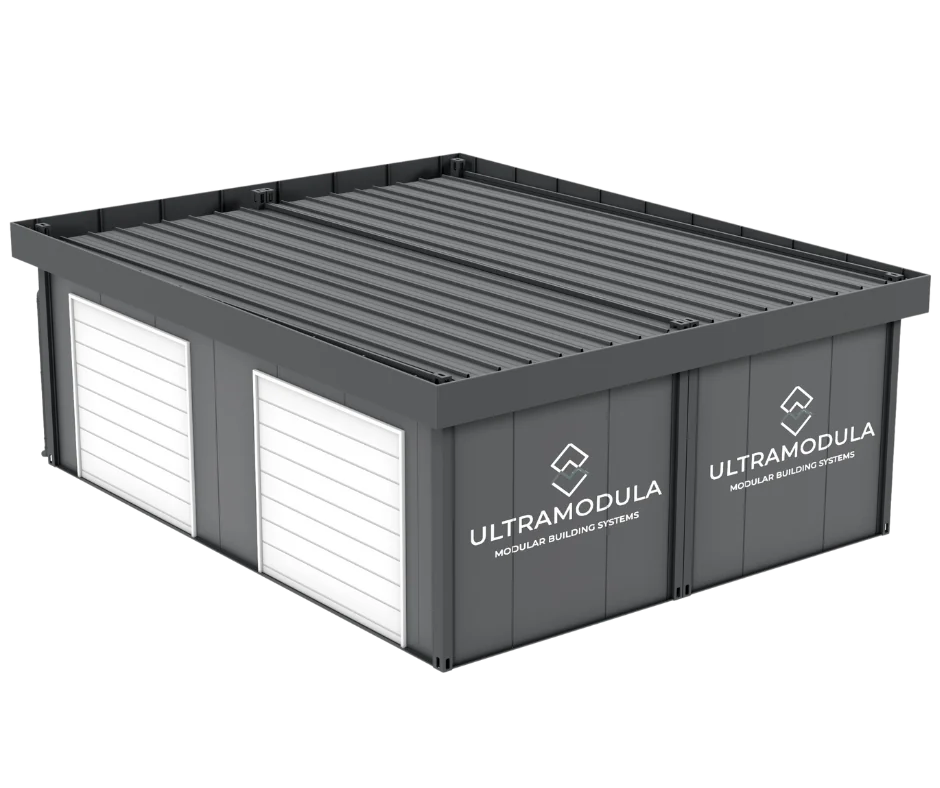
W Ultramodula We design and manufacture modular facilities that can be tailored to the individual requirements of any educational investment. The layout and number of modules, room sizes, sanitary facilities, installations, facade solutions, and furnishings can be tailored to the specific project.
Experience from projects around the world shows that modular construction can respond to the need for both the rapid expansion of an existing facility and the creation of a complete new facility.
Are you planning to build or expand a school using modular technology? Contact us. Ultramodula – we will help you analyze the investment assumptions and select the appropriate solution.