

Transport of sea containers by ship
The History of Containers: From Transport to Modular Construction. Containers , today primarily associated with freight transport, have undergone a long evolution, becoming versatile tools in architecture and construction. Their history is a fascinating journey from simple transport units to innovative modular construction solutions. Let's take a look at how containers have transformed their use and become an integral part of the modern landscape.
The beginnings of containers in transport
The first containers emerged in the early 20th century as a solution to the problem of cargo handling. In 1956, Malcolm McLean, an American entrepreneur, introduced the first standard container , revolutionizing global transportation. His idea of standardizing container sizes and securing systems significantly accelerated handling processes and reduced transportation costs. As a result, containers quickly gained popularity worldwide, becoming the foundation of modern logistics.

Container transport
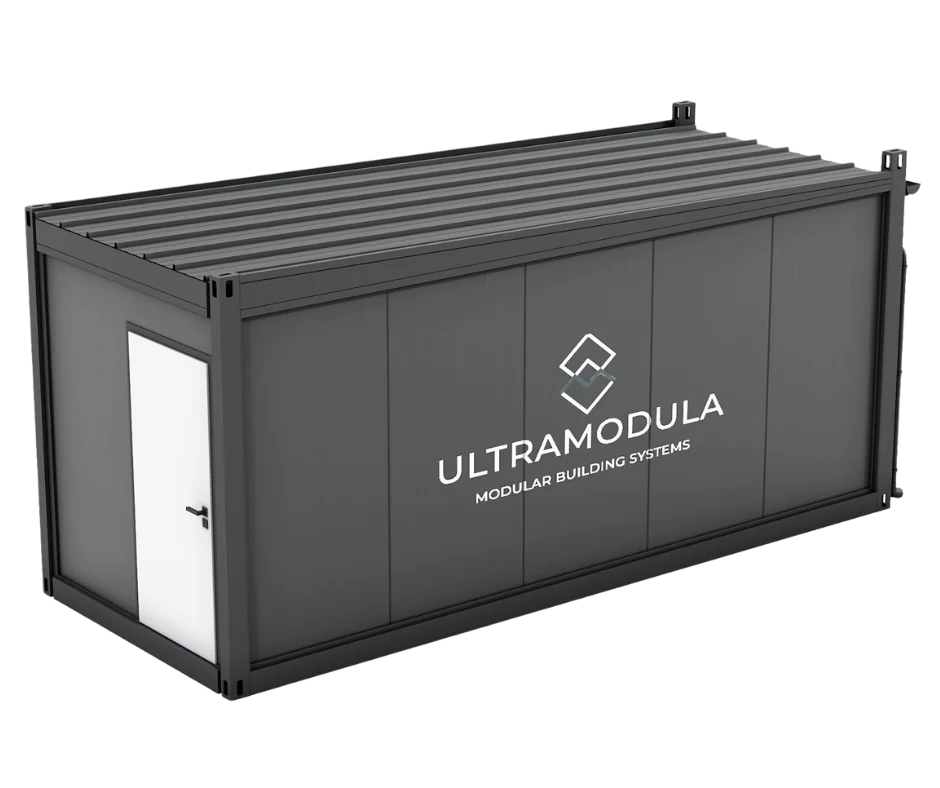
Containers in modern transport
Thanks to standardization , containers have become a universal tool for maritime, road, and rail transport. They are available in various sizes, most commonly 20 and 40 feet, making them easy to load and unload from various modes of transport. Their durability and reusability make them indispensable in global trade.
Containers in construction: first steps
The first applications of containers in construction occurred in the 80s, when their potential as building modules began to be recognized. Their durability, ease of transport, and availability made them ideal for creating temporary structures such as construction offices , warehouses, and shelters.

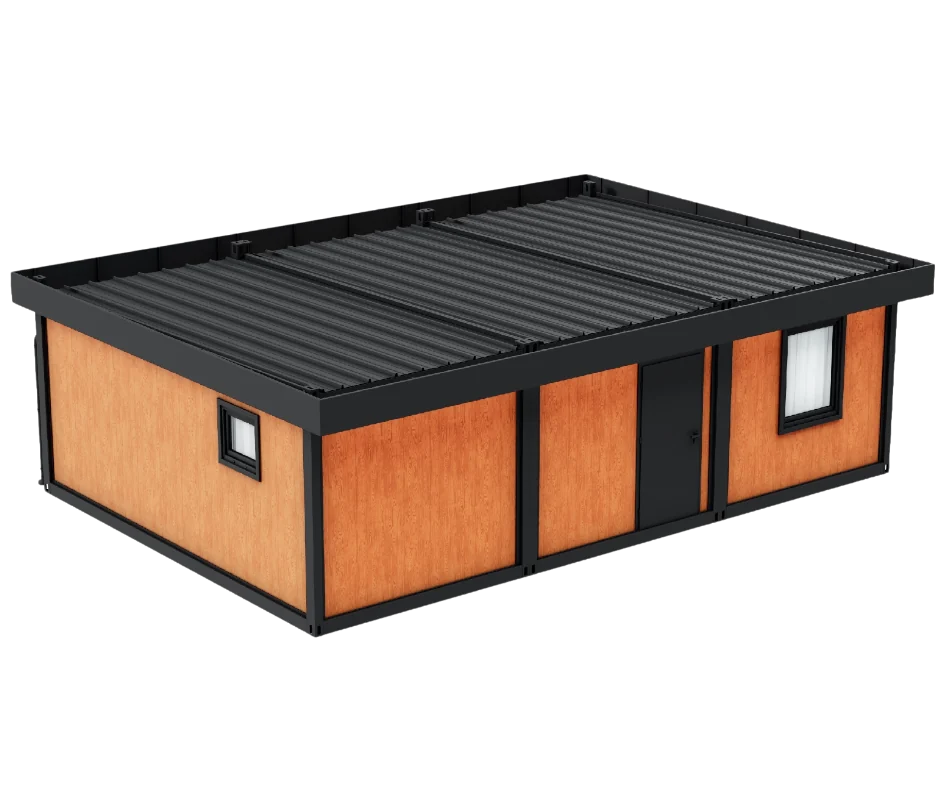
Prefabricated container homes
The birth of modular construction
At the turn of the century , architects began experimenting with using containers to build more permanent and complex structures. Over time, containers ceased to be seen as temporary solutions and began to be used to create modern, ecological, and economical buildings. An example is the "Container City" project in London, where a residential and office complex was created from containers.
Containers in architecture: a new era
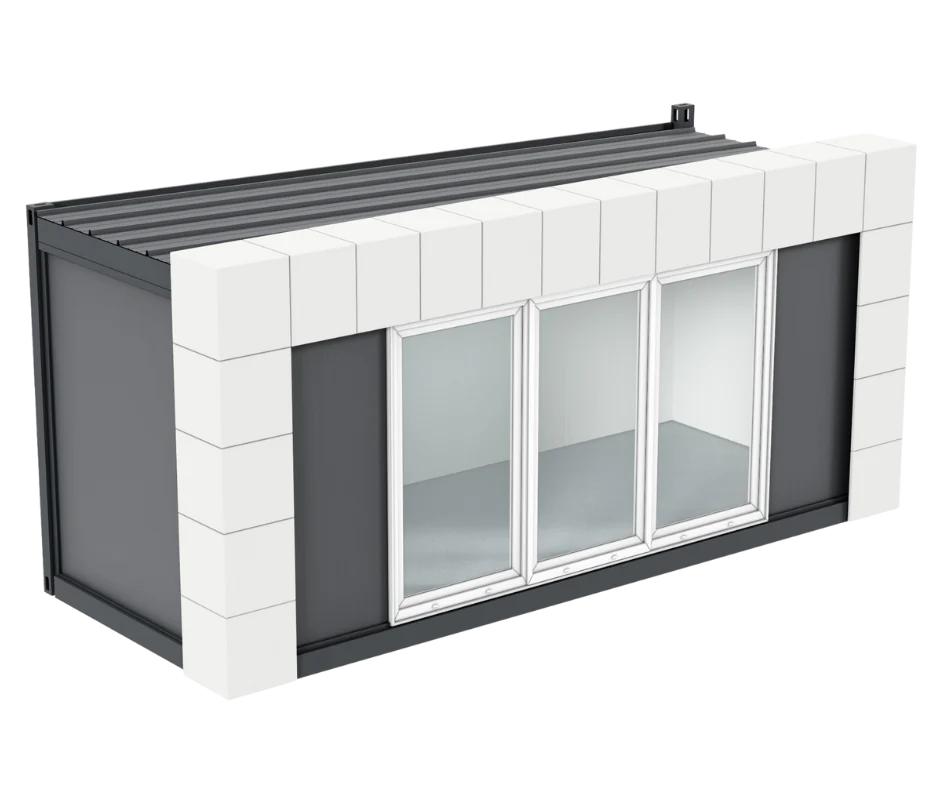
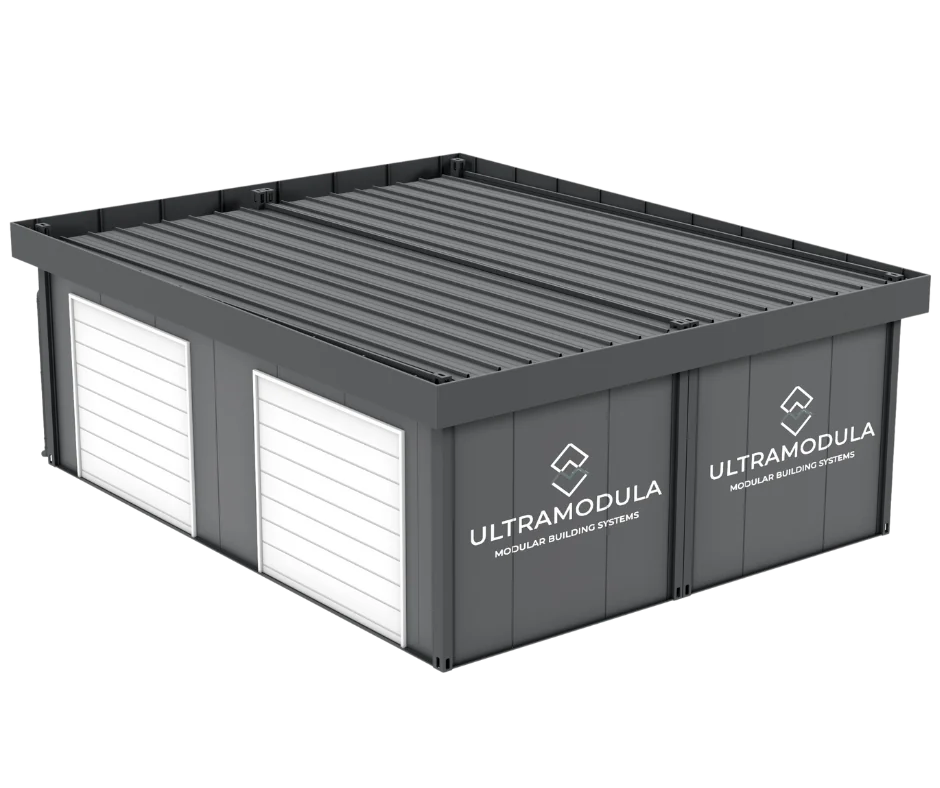
Contemporary architectural applications of containers are incredibly diverse. They are used to build apartments, hotels, offices, and even schools and hospitals. Thanks to their interconnection and stacking capabilities, containers allow for the creation of complex and diverse structures. Architects value them for their flexibility, durability, and rapid project completion times.

Modular offices
Advantages of containers in construction
Modular container construction offers many advantages. First, it's an ecological solution – using existing containers reduces waste and the consumption of natural resources. Second, it's economical – construction costs are typically lower than traditional methods. Third, project completion times are significantly shorter, which is particularly important in situations where speed is crucial, such as building housing for disaster victims.
The future of containers in construction
Containers have a bright future in construction. Thanks to technological advancements and the growing interest in eco-friendly solutions, containers will increasingly be used to create innovative and sustainable projects. Their adaptability to diverse climatic and geographical conditions makes them an ideal solution worldwide.